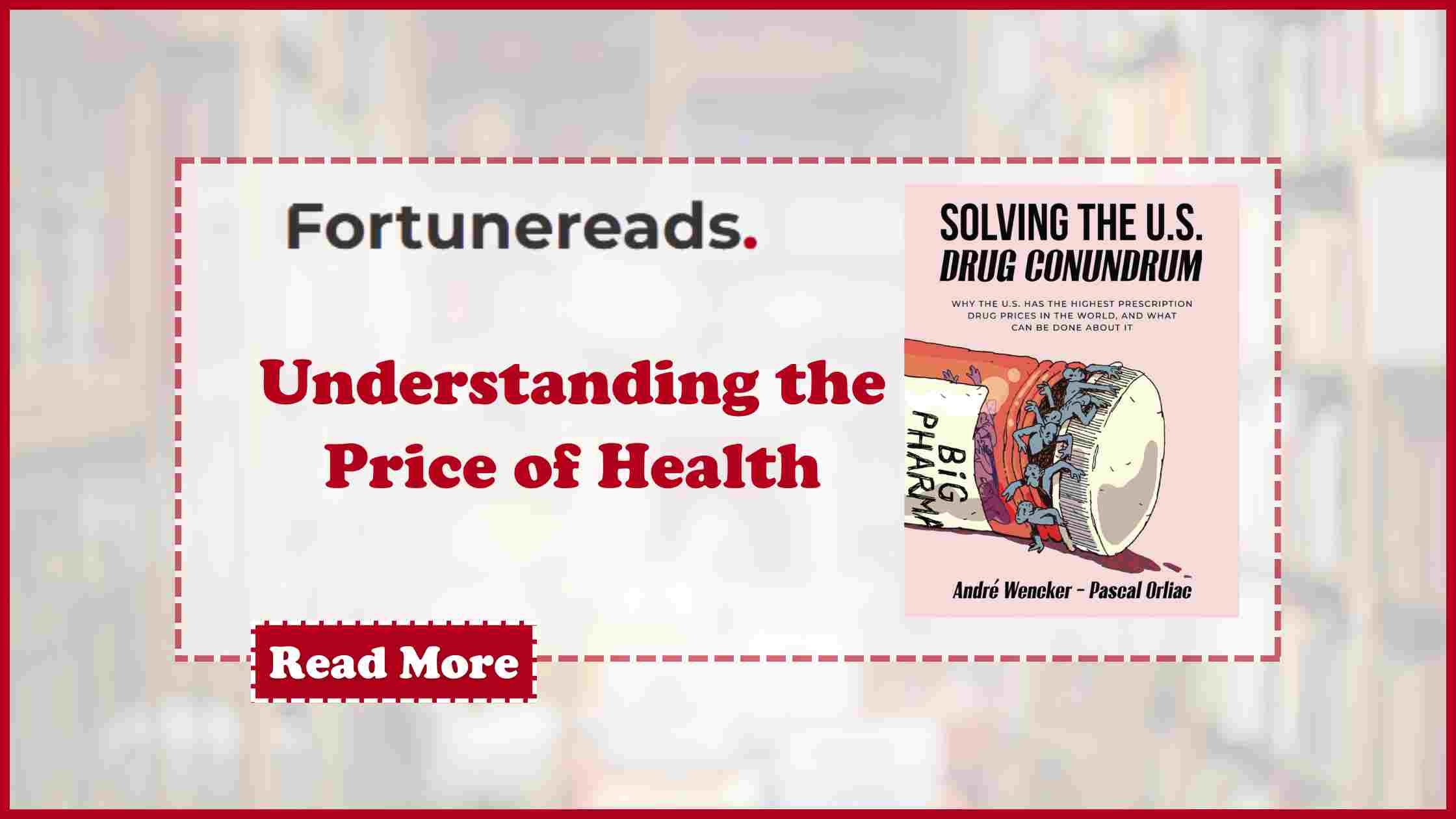
In a nation that leads the world in innovation, economic might, and medical research, it’s ironic that the United States also leads in another, more troubling statistic—prescription drug prices. In their powerful exposé, Solving the U.S. Drug Conundrum, by André Wencker and Pascal Orliac, they have dived deep into this pressing issue with rigor, evidence, and clarity. This book is not merely a critique—it is a roadmap for change, and for readers to comprehend how things have been operating all this time in the pharma market of the USA.
The U.S. spends more per capita on prescription medications than any other developed country. But why? Wencker and Orliac, drawing on years of research and access to a network of healthcare experts and insiders, lay bare the multifaceted structure that enables this price inflation. At the core are pharmaceutical companies—“Big Pharma”—and Pharmacy Benefit Managers (PBMs), working within a system engineered to sustain and protect corporate profits at the expense of public health.
One of the foundational problems highlighted is the manipulation of patent laws. While patents are intended to encourage innovation, the authors show how they are instead being used to suppress competition through evergreening tactics and legal delays. Brand-name drugs are extended beyond their natural patent lifespans, preventing affordable generics from entering the market.
The authors also examine how PBMs, originally intended to negotiate drug prices, now act as powerful intermediaries who obscure costs, limit transparency, and often exacerbate pricing disparities. Their role is shrouded in secrecy, yet they hold sway over what medications are covered, at what price, and for whom.
Wencker and Orliac offer a comparative lens, exploring how European nations such as Germany, the UK, and France manage drug pricing through regulation, national assessment bodies, and strict market controls. Unlike in the U.S., these systems prioritize public health over shareholder value. Their recommendations for reform are both actionable and urgent. From capping insulin prices and revamping the patent system, to establishing international reference pricing and reining in PBMs, the book pushes for a recalibration of values—one that centers patients rather than profits.
This book is essential reading for policymakers, healthcare professionals, employers, and anyone who has ever questioned why a life-saving medication in the U.S. costs ten times more than it does abroad. Solving the U.S. Drug Conundrum is more than a call to action—it is a blueprint for justice and reform in healthcare.