Knowing that your child is diagnosed with autism is the worst nightmare for a parent.
Autism, or autism spectrum disorder (ASD), is a neurodivergent condition that affects communication, behavior, and learning capabilities. Unlike other children, if your child is autistic, they may experience the world differently and feel misunderstood or unaccepted by people.
While ASD is not something your child “grows out of,” there are many conditions that can cue it. In a similar vein, numerous therapies can assist kids in learning new abilities and overcoming a wide range of developmental obstacles that could reduce the effects of autism.
Here are six practical tips to help support autistic children.
Celebrate Their Passions
Kids with autism often have favorite activities that spark joy. This could include playing with toys, listening to music, or exploring nature. Notice what excites your child. Maybe they love puzzles or animals. Include these passions in their day to keep them engaged. For example, if they enjoy water play, set up a small fountain at home or visit a splash pad. Building on what they love helps them feel understood and encourages connection.
Build Predictable Routines
Routines create a sense of safety for children with autism. They can reduce anxiety. Simple patterns, like bedtime stories or daily walks, can make a big difference. For instance, you might have a favorite snack at the same time each afternoon. Stick to these routines for better results. Also, allow small changes to teach flexibility. This balance helps your child feel secure while learning to adapt.
Create Sensory-Friendly Spaces
Many children with autism are sensitive to light, loud sounds, or textures. A calming space at home, with soft blankets or dim lighting, can help them relax. If you do not have such a space, you can also look for other sensory-friendly options, like quiet hours at a community center or park. These environments let your child feel comfortable. It will support their emotional well-being and exploration.
Support Their Communication Style
Children with autism may express themselves through gestures. They can also use sounds or a few words. Pay attention to their unique communication methods, like clapping or grinning. Respond to their cues and try picture cards and other sensory tools to help them express themselves. Play simple games that encourage turn-taking or mimic their sounds to build trust.
Encourage Small Steps Toward Independence
Helping your child gain independence builds pride. Start with easy tasks, like choosing a snack or zipping a jacket. Offer clear instructions and celebrate their efforts with praise or a high-five. If they love sorting toys, let them organize a game. These small steps, repeated over time, help them feel capable and ready for bigger challenges.
Connect with a Support Community
Join a local autism support group or explore online forums where families share tips. Organizations like the Autism Society offer workshops and resources to guide you. Plus, talking with other parents or professionals can remind you that you’re part of a community cheering for your child’s success.
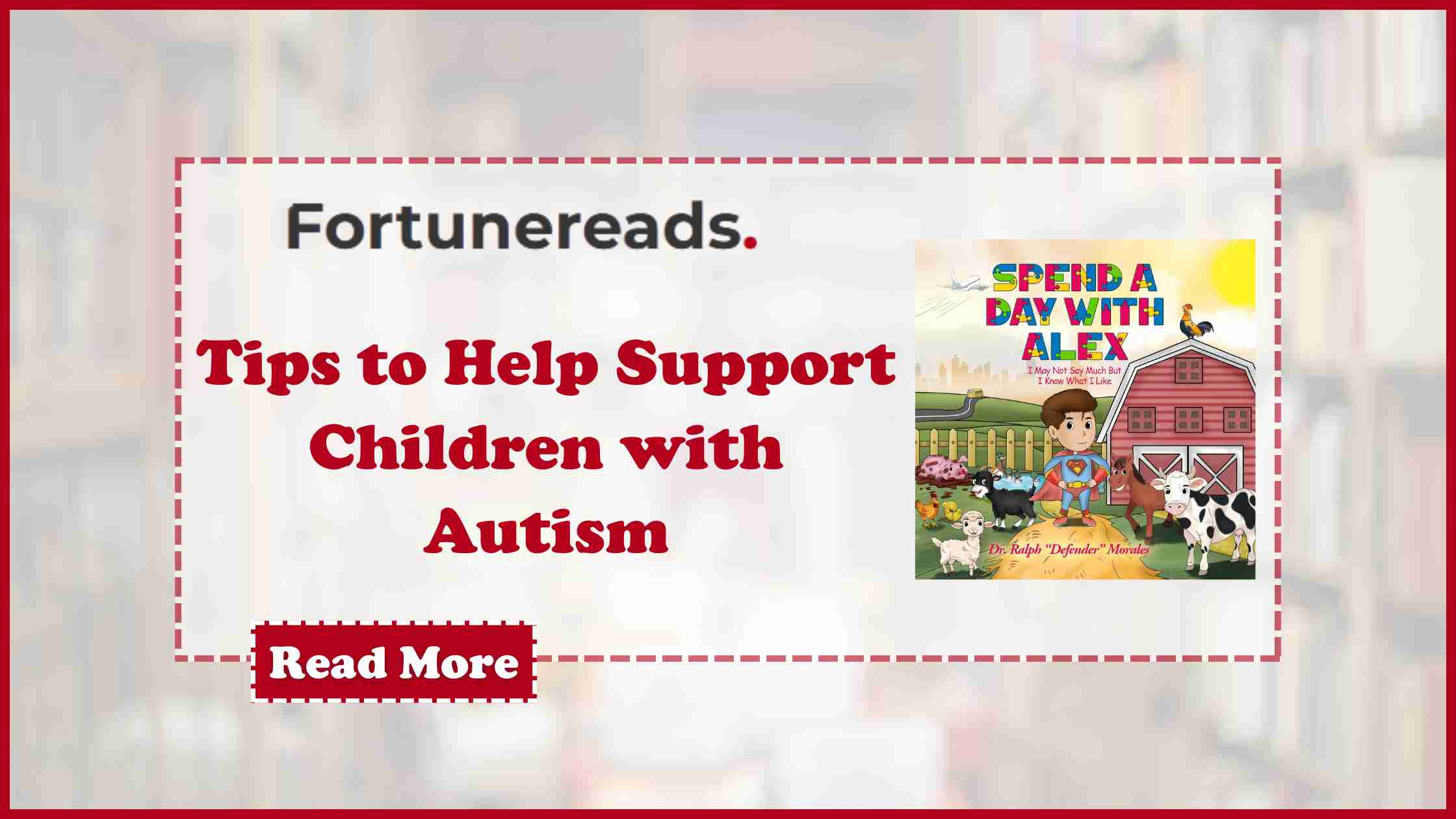
To dive deeper into the world of a child with autism, check out Spend A Day With Alex: I May Not Say Much But I Know What I Like by Dr. Ralph “Defender” Morales. This book follows Alex, a young boy with autism, through his joyful day. It’s a beautiful reminder to celebrate every child’s unique journey. Get your copy at https://www.amazon.com/dp/1967441367 and let Alex’s story inspire you to support the incredible kids in your life with love and understanding.