Children notice differences long before they can fully understand them. By the time they enter preschool, they have already observed who looks different, who speaks differently, or who plays with toys unlike their own. The question is not whether children will notice diversity, but whether they will learn to embrace it. That is why teaching equality and belonging early in life is one of the most important lessons we can give to the next generation.
Between the ages of three and seven, children are developing the foundations of empathy. They are learning to see the world through someone else’s eyes. Sharing a toy or taking turns in a game are simple activities that are often the first opportunities for children to understand the concept of fairness. When parents and educators use stories or examples that emphasize equality, they help children see that every person deserves respect and kindness.
For example, when a child sees that both boys and girls can enjoy the same activities, or that a friend who uses a wheelchair can play just as many games as anyone else, they begin to connect the idea of fairness to real people. These small lessons add up, shaping how children treat others as they grow.
Bullying often stems from children feeling that someone is “different” or “less than.” By teaching equality early, we reduce the chance of those negative ideas taking root. When children grow up understanding that differences in appearance, hobbies, or interests do not change a person’s value, they are less likely to single out others.
Imagine a classroom where children have already learned that some kids like soccer and others prefer piano. Instead of mocking differences, they celebrate them. It creates a healthier school environment where acceptance becomes the norm. The seeds of kindness planted in early childhood can prevent many of the challenges schools face with bullying later on.
Equality is not just about how children treat others; it is about how they are treated. It also shapes how they see themselves. A child who feels included, despite their differences, develops stronger self-worth. They grow confident knowing they belong.
Take, for instance, a child who may not share the same background or interests as most of their classmates. If they hear messages of equality in their early years, they learn that they are still valued and important. This sense of belonging serves as a foundation for resilience, enabling them to thrive both academically and socially.
Books are powerful tools for teaching life lessons in a way children can understand. Stories that highlight similarities while celebrating differences provide children with a clear and joyful picture of what equality looks like.
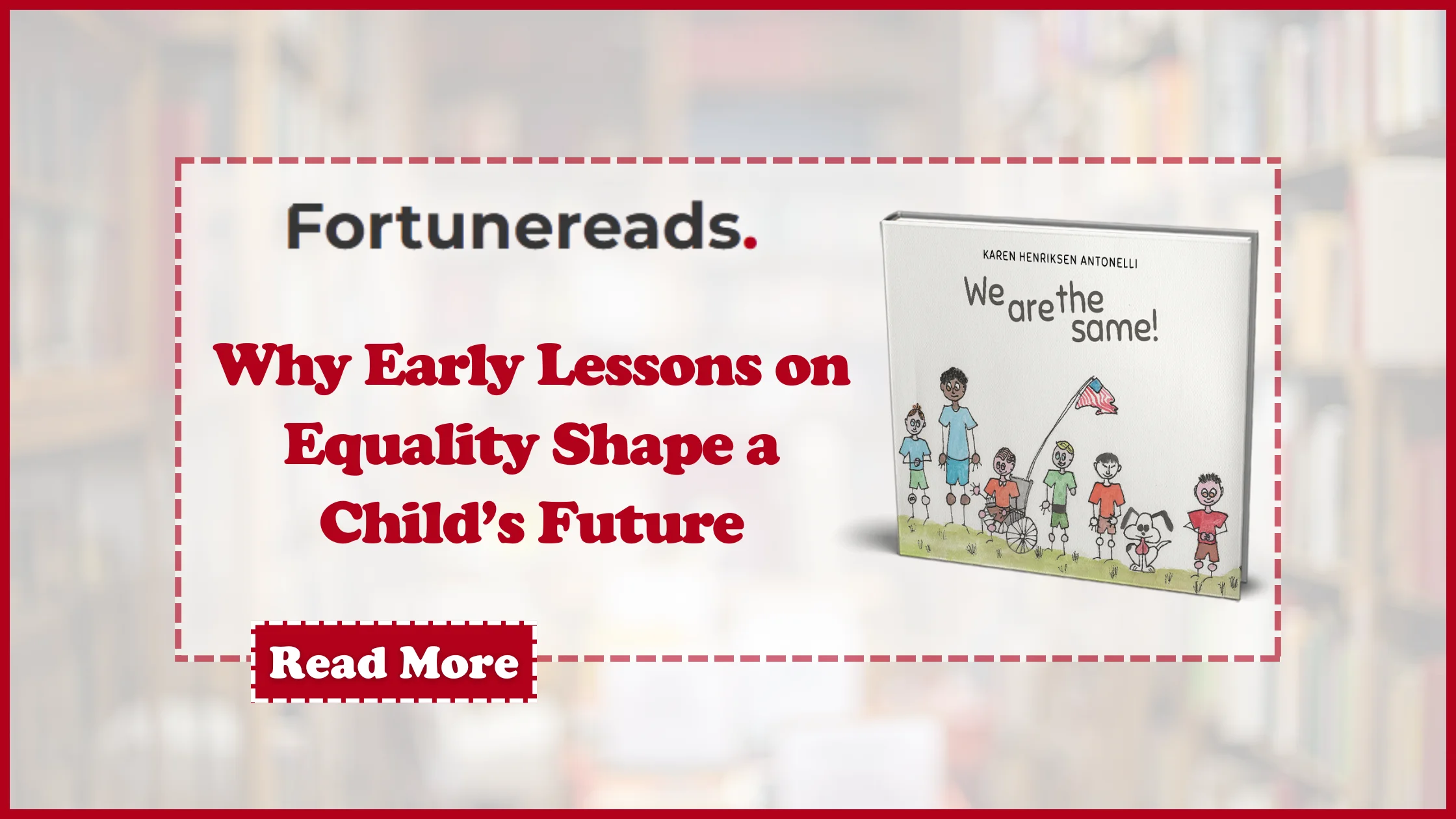
Karen Henriksen Antonelli’s children’s book, “We Are the Same!“, is a wonderful example. Using playful stick-figure illustrations and simple, repetitive text, the book shows that while children may enjoy different hobbies or flavors of ice cream, they all share the same basic qualities that make them human. The message is simple: no matter what makes us unique, we are all connected.
When children learn about equality and belonging at an early age, they carry those values into every stage of their lives. They grow into empathetic friends, confident individuals, and respectful members of society. The lessons we give them between the ages of three and seven can last for decades to come.
If you are a parent, teacher, or caregiver seeking a simple and joyful way to initiate these conversations, consider reading “We Are the Same!” with your children. Its message of unity and acceptance may be the very lesson that helps shape a brighter future.