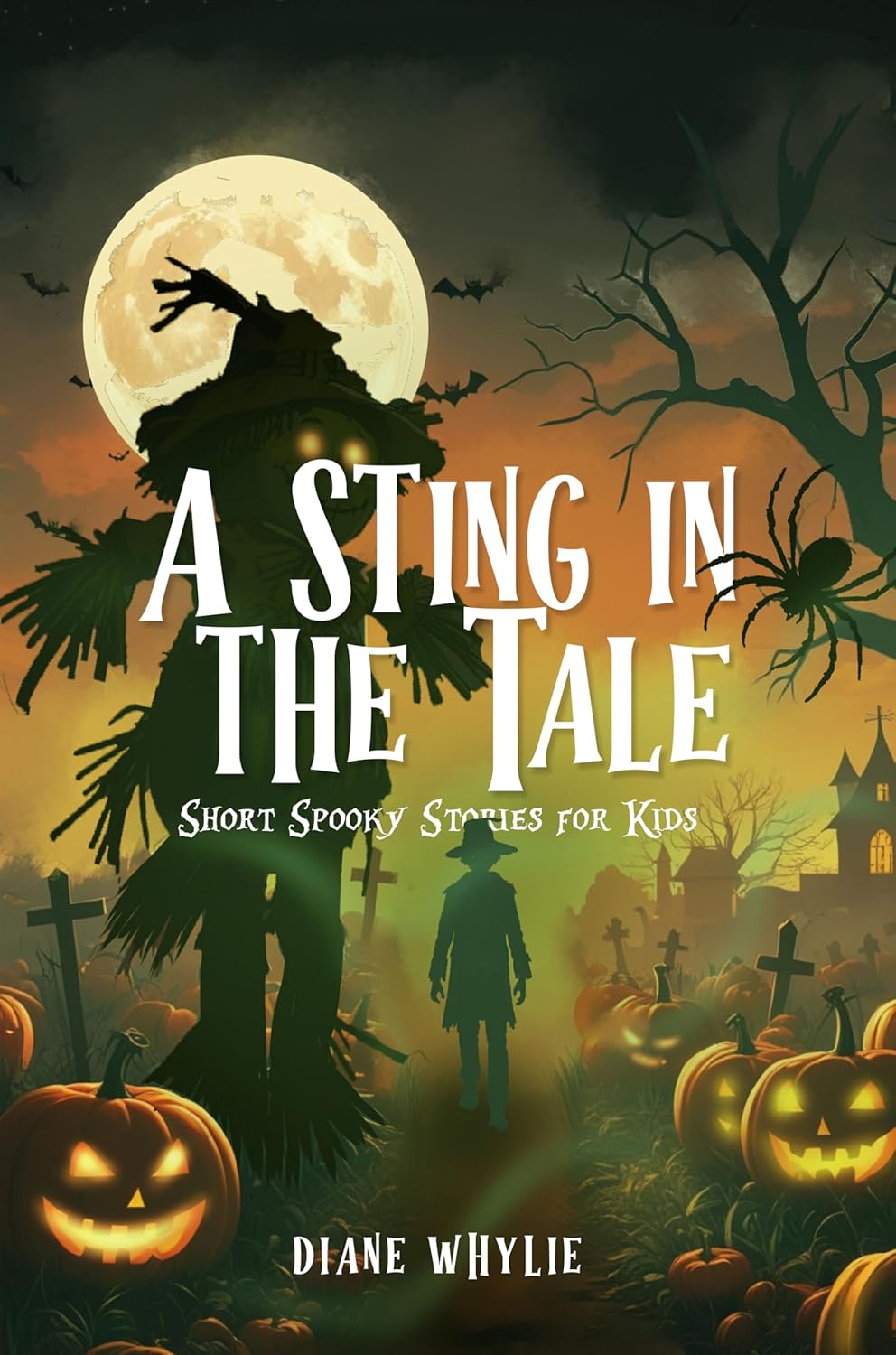
In “A Sting in the Tale: Short Spooky Stories for Kids” by Diane Whylie, “The Collector” stands out as a haunting examination of empathy, accountability, and the unseen emotional weight of selfish actions. While the story revolves around stolen objects, its true focus lies in what is taken from others on a deeper level.
The Illusion of Harmless Actions
Imogen believes she is harmless. She takes small items and convinces herself they will not be missed. This rationalization is a common mindset in childhood. The story cleverly exposes how easy it is to minimize wrongdoing when consequences feel distant or invisible.
Diane Whylie gradually reveals the emotional significance of each stolen object. A pen tied to cherished memories. A bracelet connected to friendship and loss. These details shift the reader’s perspective from objects to people.
Emotional Theft and Its Impact
What Imogen truly steals is not property. She steals comfort, connection, and memory. The story subtly encourages young readers to consider how their actions ripple outward, affecting others in ways that are not immediately apparent.
This emotional awareness is central to the story’s power. Children are encouraged to think beyond themselves and recognize the feelings of others, a crucial step in developing empathy.
Accountability Through Consequence
The supernatural punishment Imogen faces is deeply symbolic. Losing her voice, the very thing she loves most, reflects poetic justice. It forces her to experience loss firsthand.
Diane Whylie ensures the punishment is not gratuitous. It is meaningful. It mirrors Imogen’s actions and reinforces accountability without moral lecturing.
Fear as a Teaching Tool
The eerie presence of the choker and its chilling return to the shop window add suspense while reinforcing the idea that wrongdoing cannot be hidden forever. Fear becomes a tool for reflection rather than a source of shock.
Young readers are drawn into the mystery while absorbing the lesson organically.
A Story That Encourages Growth
By the end of The Collector, Imogen is changed. She no longer steals, and she understands the cost of her actions. This transformation is subtle yet powerful, which shows that growth often occurs through uncomfortable realizations and sometimes through eerie experiences.
Within A Sting in the Tale, this story offers one of the clearest examples of how spooky fiction can nurture emotional intelligence. To read more such stories and lessons, please purchase your copy of “A Sting in the Tale: Short Spooky Stories for Kids” from Amazon.
Please visit the link: https://www.amazon.com/dp/B0G36DMKNZ/.