Do you know that globally, up to 1 billion children aged 2-17 years are estimated to have experienced physical, sexual, or emotional violence or neglect in the past year? Moreover, six in 10 children under five years of age regularly suffer physical punishment and/or psychological violence by parents or caregivers.
That being said, children who have experienced abuse often carry fear, confusion, and self-blame long after the harm has ended. Helping them heal requires care that respects their pace and their voice.
In this regard, stories like This Life can be really helpful.
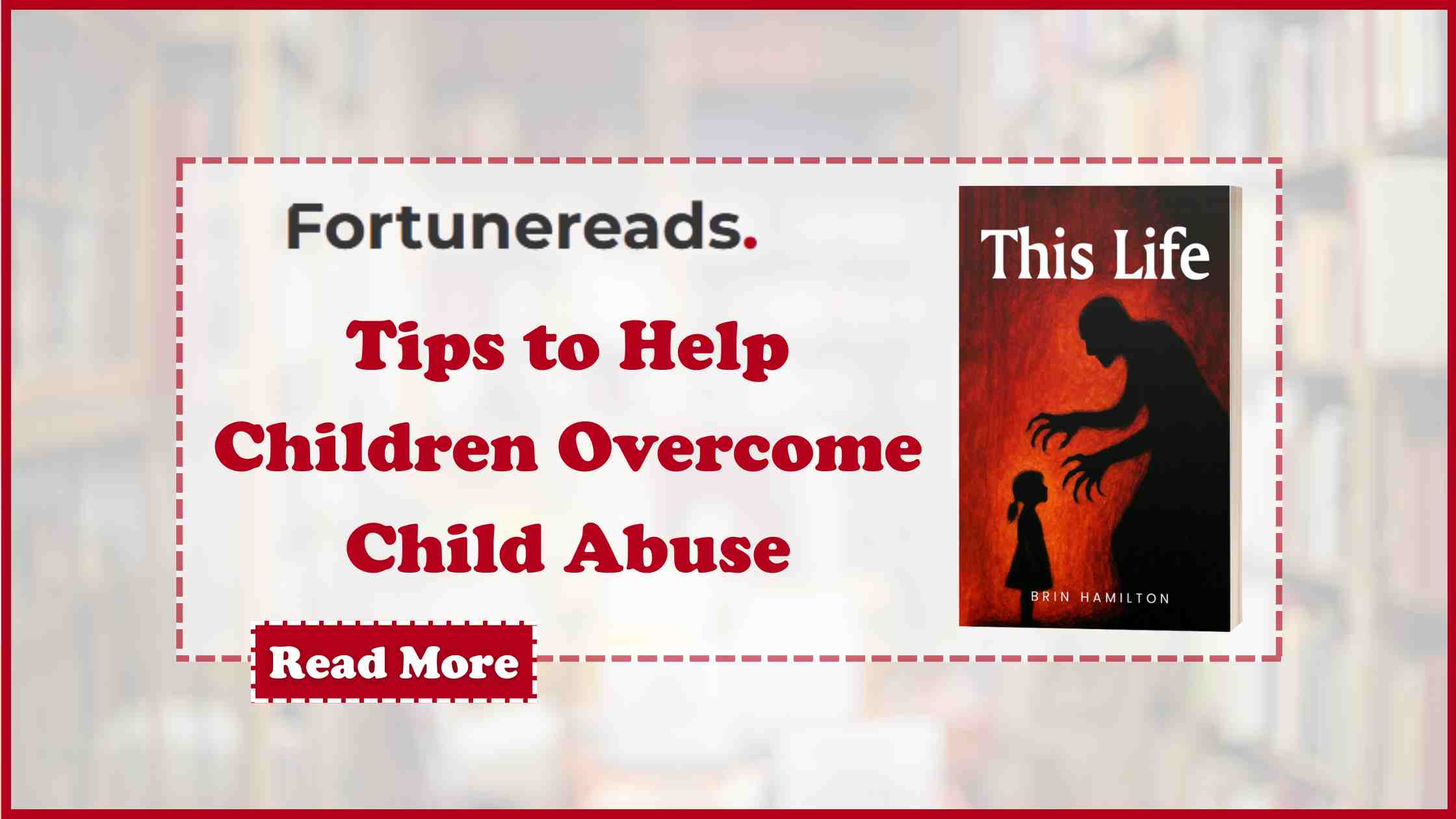
This Life by Brin Hamilton is a contemporary literary novel inspired by real experiences that sheds light on the hidden realities of childhood neglect, abuse, and systemic failure. Through the eyes of Callie, a young girl growing up in a chaotic and unsafe home, the story explores how addiction, family dysfunction, and emotional neglect quietly shape a child’s sense of self and trust in the world. The novel explores the lasting impact of being overlooked by the very systems designed to protect vulnerable children, while also offering moments of hope through compassion, advocacy, and care. Honest, restrained, and deeply human, This Life gives voice to children whose suffering often goes unnoticed and reminds readers of the power of listening, responsibility, and kindness in changing a life.
Here is a link to purchase this book: https://www.amazon.com/dp/B0FSFZ2QSZ.
The first and most important step in helping a child overcome abuse is creating a sense of safety. A child cannot begin to heal if they still feel threatened or uncertain. Safety means more than physical protection. It means emotional safety too. Children need to know that the adults around them will not hurt, ignore, or punish them for speaking. In This Life, Callie begins to change only when she is placed in an environment where care is consistent and predictable.
Listening without judgment is another key step. Many abused children are afraid to talk because they worry they will not be believed or that they will get in trouble. When a child chooses to share something difficult, adults should listen calmly and avoid reacting with anger or disbelief. Simple responses, such as ‘I’m am glad you told me’ or ‘You did nothing wrong,’ can ease fear and shame.
Routine and structure help children feel grounded. Abuse often comes with chaos and unpredictability. Daily routines, such as regular meals, bedtime, and school schedules, give children a sense of control. Callie struggles early on because her home life is unstable. When routines appear later in her life, they help her feel safer and more settled.
Professional support is often necessary. Counseling and therapy can help children understand their emotions and develop healthy coping mechanisms. Trauma can impact how children think, learn, and interact with others. A trained professional can guide them through these challenges. Support should be ongoing and adapted to the child’s age and needs.
Encouraging healthy expression is also important. Children may not have the words to explain their feelings. Art, writing, play, and movement can help individuals release emotions in a safe and healthy way. In This Life, Callie often struggles to express herself verbally. Her behavior and silence reveal what words cannot.
Building trust takes time. Children who have been abused may expect adults to leave or cause harm. Consistent care helps rebuild trust slowly. Keeping promises, showing up, and being patient matter more than grand gestures. Trust grows through repeated acts of care.
Avoid forcing forgiveness or closure. Healing does not mean forgetting or excusing harm. Children should never be pressured to forgive their abusers. Healing means learning that the abuse was not their fault and that they deserve care and respect.
Finally, surround children with positive relationships. Teachers, foster carers, relatives, and mentors can all play a role. In This Life, one caring teacher helps Callie feel seen when many others fail her. One supportive adult can make a lasting difference.
Helping children overcome abuse is not easy, but it is possible. It requires compassion, time, and commitment. For readers who want to better understand a child’s inner world after abuse, This Life offers an honest and grounding perspective worth reading.