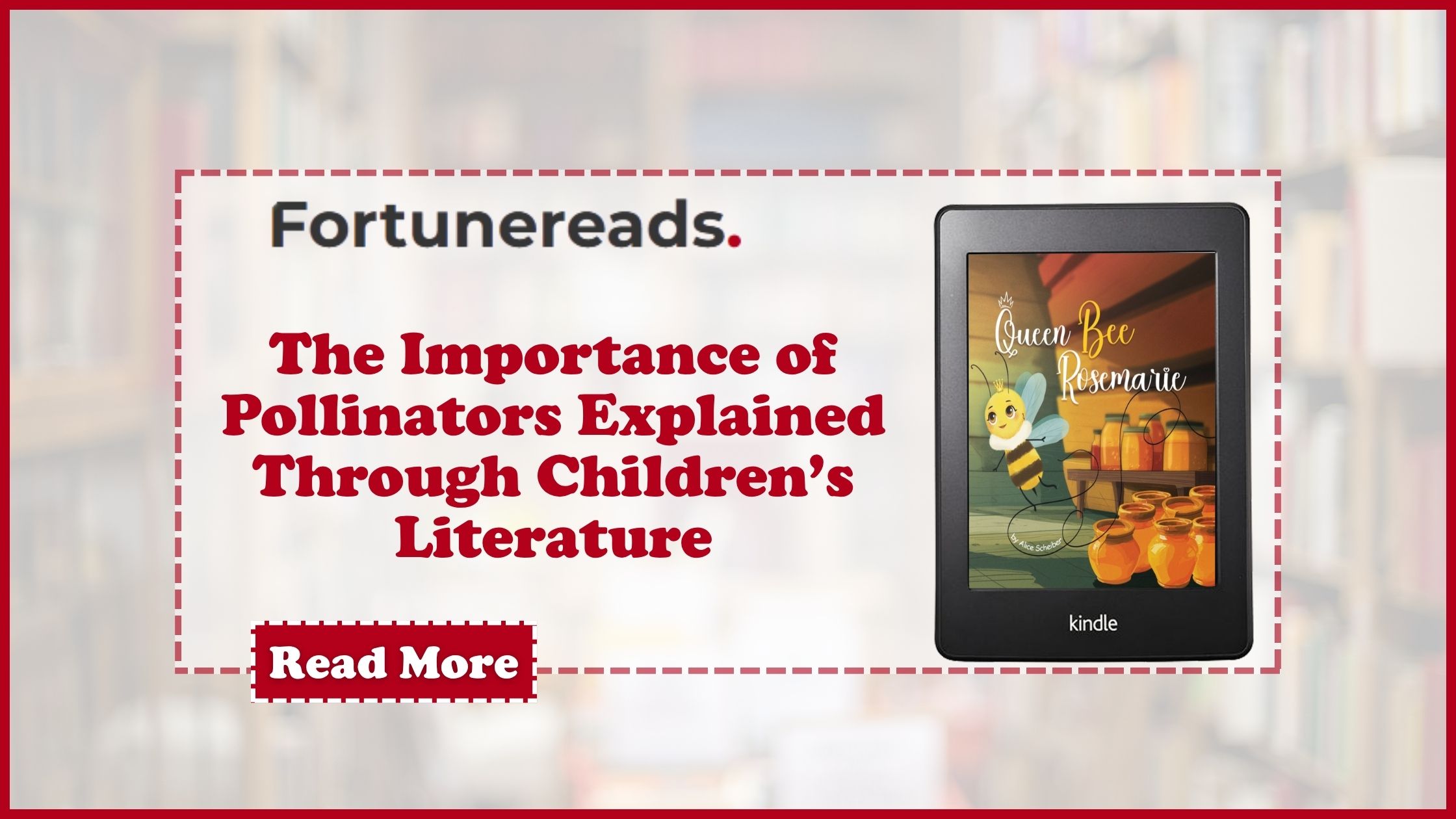
Pollinators play a vital role in the balance of our ecosystem, yet for many children, the concept can feel distant or difficult to grasp. Children’s literature bridges that gap by turning complex environmental ideas into engaging, relatable stories. Through characters, emotion, and simple storytelling, books like Queen Bee Rosemarie, Book 1 by Alice Scheiber introduce young readers to the importance of pollinators in a way that stays with them.
At the heart of pollination is a simple but essential process. Bees and other pollinators help plants grow, reproduce, and thrive. Without them, flowers would not bloom as they should, and many of the foods we rely on would become scarce. While this may sound like a scientific explanation, children’s stories bring it to life by showing the world through the eyes of the pollinators themselves.
In Queen Bee Rosemarie, Book 1, children meet a brave bee who is not only responsible for her hive but also deeply connected to the environment around her. As readers follow her journey, they begin to understand that bees are not just small insects buzzing through the air. They are workers, protectors, and essential contributors to the natural world. This shift in understanding builds respect and appreciation.
Children’s literature also highlights the challenges pollinators face. When stories introduce dangers such as harmful environments or threats to their survival, children begin to see that these creatures need protection. This awareness is far more effective when it is felt emotionally rather than simply explained. A child who feels concern for a character like Rosemarie is more likely to care about bees in real life.
Another key strength of storytelling is its ability to simplify without losing meaning. Instead of overwhelming children with facts, stories focus on relationships. They show how pollinators interact with flowers, how they support their communities, and how their actions have a wider impact. This approach helps children understand the bigger picture in a way that feels natural and engaging.
Books like Queen Bee Rosemarie, Book 1 also connect pollinators to everyday life. When children see how bees contribute to the beauty of flowers and the sweetness of honey, they begin to recognise the direct benefits. This connection makes the importance of pollinators more tangible. It becomes something they can see, taste, and appreciate.
Perhaps most importantly, children’s literature inspires action. When young readers develop a connection with pollinators, they are more likely to adopt behaviours that support them. Whether it is showing care for nature, being mindful of their surroundings, or simply sharing what they have learned, these small actions can grow into lasting habits.
Queen Bee Rosemarie, Book 1 by Alice Scheiber offers a meaningful way to introduce children to the role of pollinators while nurturing empathy and awareness. It transforms an essential environmental topic into a story that children can understand, enjoy, and carry with them.
Read this book now on Amazon: https://www.amazon.com/dp/B0GH8YHQD3