In a fast-paced world filled with digital communication, busy schedules and constant distractions, simple words like “please” and “thank you” can sometimes feel overlooked. Yet these small expressions of kindness still carry tremendous power. They shape relationships, build respect and teach children how to interact positively with the world around them.
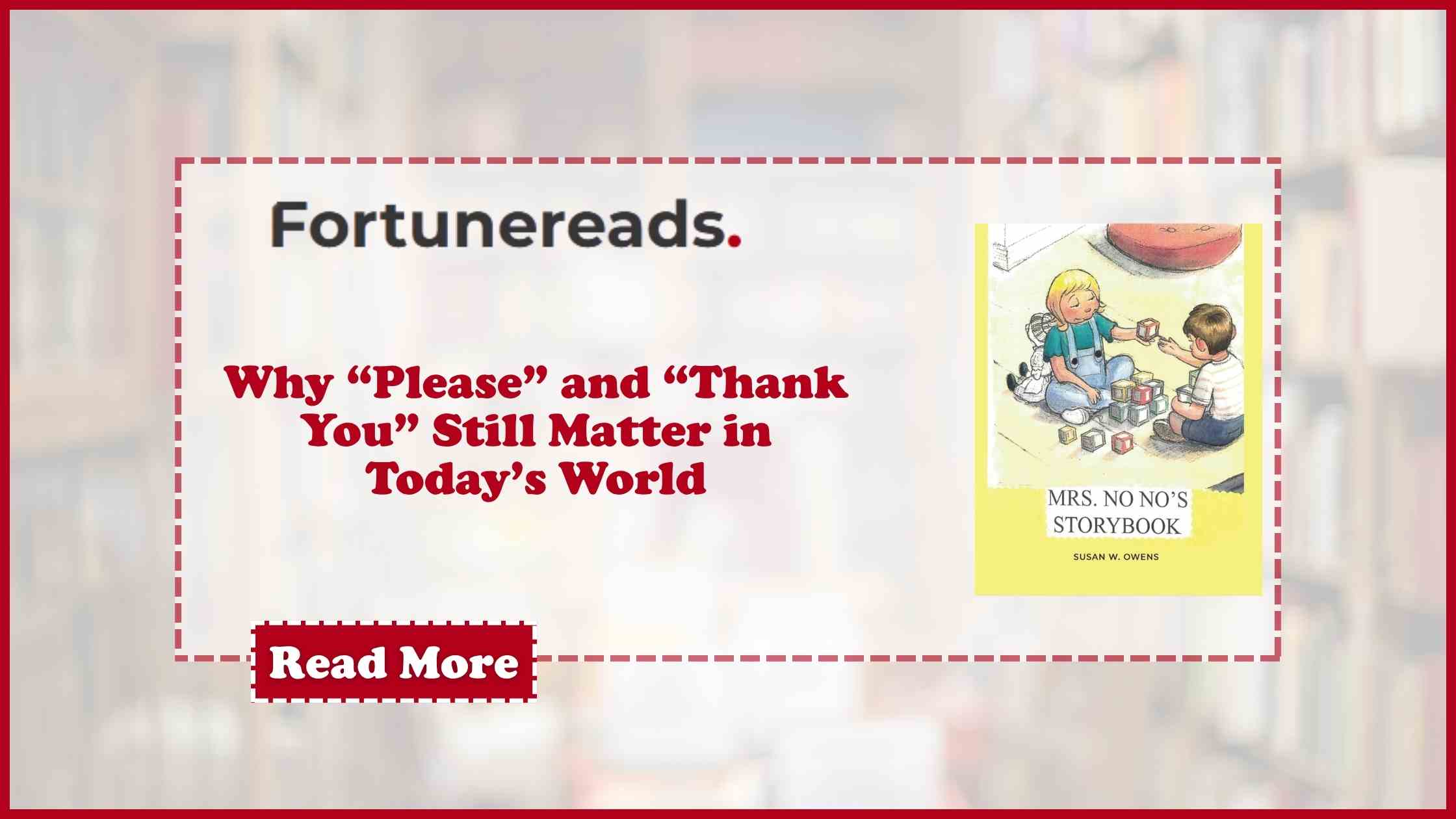
In Mrs. No No’s Storybook, author Susan W. Owens highlights the importance of character, respect and positive behavior through memorable lessons children can easily understand. One of the book’s strongest messages is that good manners are not outdated; they are essential life skills that help children grow into thoughtful and respectful adults.
Manners Begin with Respect
When children learn to say “please” and “thank you,” they are learning far more than polite phrases. They are learning empathy, appreciation and consideration for others. These words teach children that other people’s feelings matter.
A simple “please” shows respect when asking for help or requesting something. A heartfelt “thank you” acknowledges kindness and effort. Together, these small habits encourage positive social interaction and strengthen communication between children, parents, teachers and peers.
In schools and homes alike, children who practice gratitude and politeness often build stronger friendships and healthier relationships. They are more likely to cooperate, listen and respond positively in group settings.
Why Manners Matter More Today
Modern life has changed the way people communicate. Text messages, social media and quick online interactions often reduce opportunities for face-to-face conversations. As a result, children may not always witness consistent examples of respectful communication.
That is why teaching manners intentionally has become more important than ever.
Children absorb behavior from the adults around them. When parents, caregivers and teachers consistently model kindness and courtesy, children naturally begin to imitate those behaviors. Over time, these repeated actions become lifelong habits.
Books like Mrs. No No’s Storybook help reinforce these lessons in a fun and engaging way. Through storytelling and positive reinforcement, children begin to understand that respectful behavior creates a happier environment for everyone.
Building Confidence Through Positive Behavior
Good manners also contribute to a child’s self-esteem. When children know how to communicate respectfully, they often feel more confident in social situations. They learn how to express themselves clearly, interact with adults politely and handle everyday situations with kindness.
This confidence can carry over into school performance, friendships, teamwork and future leadership skills.
One of the memorable lessons from Mrs. No No’s Storybook is that positive reinforcement helps children believe in themselves. Encouraging respectful behavior instead of relying only on punishment allows children to take pride in making good choices.
Simple phrases like:
- “Please pass the book.”
- “Thank you for helping me.”
- “May I have a turn?”
Can create a culture of kindness both at home and in the classroom.
Small Words, Lasting Impact
Many people underestimate the importance of manners because the words themselves are small. But small habits often shape character in powerful ways.
Teaching children to say “please” and “thank you” is not about strict rules or perfection. It is about helping them understand kindness, gratitude, patience and respect for others. These qualities remain valuable no matter how much the world changes.
In the end, manners are about connection. They remind people that kindness still matters, respect still matters and the way we treat one another can leave a lasting impression.
That is why “please” and “thank you” will never go out of style.
Available On Amazon: https://www.amazon.com/dp/B0FPPJX6DR