Childhood is a time of discovery, but it is also a time of quiet uncertainty. As children grow, they begin to ask important questions about who they are and how they fit into the world around them. These questions do not always have clear answers, and when labels, expectations, or teasing enter the picture, that uncertainty can quickly turn into confusion.
Fiction offers a unique way to guide children through this stage without pressure or judgement. Instead of direct instruction, stories create space. They allow children to observe, feel, and reflect through the experiences of characters who face similar struggles. This distance makes it easier for them to process emotions they may not yet know how to express.
When a child sees a character grappling with identity, they begin to recognise those same feelings within themselves. They learn that confusion is not something to hide. It is a natural part of growing. Stories also provide reassurance that identity is not something that must be fixed immediately. It can take shape over time.
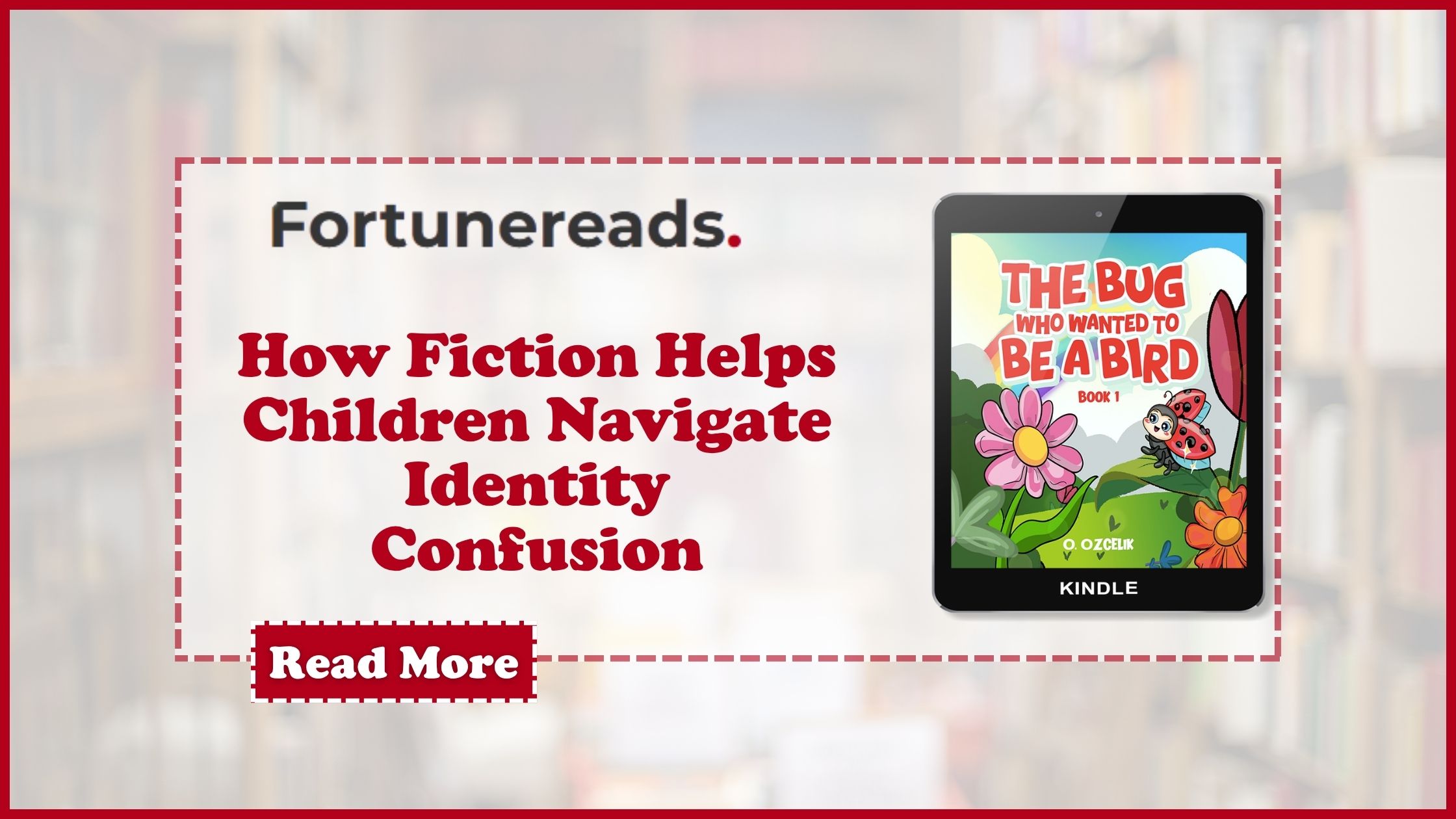
In The Bug Who Wanted to Be a Bird by O. Ozcelik, this idea is brought to life through Dotty’s journey. She finds herself caught between labels that do not fully make sense to her. The world around her tries to define her in ways that feel limiting and, at times, hurtful. This mirrors the experience many children face when they are given names or roles that do not reflect how they truly feel inside.
What makes Dotty’s story effective is how it balances humour with emotional depth. Children are drawn in by the playful tone and imaginative setting, but beneath that lightness is a meaningful exploration of identity. Dotty’s confusion is never dismissed. Instead, it becomes the starting point for her growth.
As she moves through her journey, she encounters characters who challenge her thinking and expand her perspective. These interactions help her understand that identity does not need to fit neatly into a single category. She learns that it is possible to exist beyond labels and still feel complete.
This message is especially valuable for children who may feel pressured to define themselves too early. Fiction gives them permission to explore without fear of getting it wrong. It encourages curiosity rather than certainty. It also helps build empathy, as children begin to understand that others may be experiencing similar struggles beneath the surface.
For parents and educators, stories like this become powerful tools. They open the door to conversations that might otherwise feel difficult to start. A child may not be able to explain their feelings directly, but they can talk about a character. Through that discussion, deeper understanding begins to form.
The Bug Who Wanted to Be a Bird stands out as a story that entertains while offering genuine emotional support. It reminds children that identity is not something that needs to be solved all at once. It is something to be discovered, shaped, and embraced over time.
In a world full of labels, fiction gives children something far more valuable. It gives them freedom.
Get your copies from Amazon: https://www.amazon.com/dp/B0GCX4R2F1/