Leaving an abusive relationship is often described as an ending, but for many survivors, it is only the beginning. Walking away may provide physical distance, yet the emotional damage can remain long after the relationship is over. Fear, shame, self doubt, and confusion may continue to shape daily decisions. Reclaiming yourself means slowly separating your identity from the control, criticism, and pain you endured.
Abuse can make a person question their instincts. Over time, repeated manipulation may cause survivors to doubt their memories, feelings, and judgment. They may begin to believe that they are too sensitive, difficult, or responsible for the harm done to them. Reclaiming yourself requires recognizing that these beliefs were created through mistreatment. They do not define who you are.
Healing also involves rediscovering your voice. In an abusive relationship, expressing an opinion or setting a boundary may have led to anger, punishment, or rejection. Afterward, even simple choices can feel overwhelming. Deciding what to wear, where to go, whom to trust, or what you want from life can become part of rebuilding your independence. Each choice becomes proof that your life belongs to you again.
Reclaiming yourself does not mean returning to the person you were before the abuse. Experiences change people. Healing is not about erasing the past or pretending it never happened. It is about understanding what happened, releasing misplaced guilt, and building a future shaped by your own values.
Trust may be one of the most difficult parts of recovery. Survivors may want connection while also fearing vulnerability. Healthy relationships require patience, respect, honesty, and consent. A caring partner does not demand control or use love as a weapon. Learning this difference can help a survivor recognize that intimacy should provide safety, not fear.
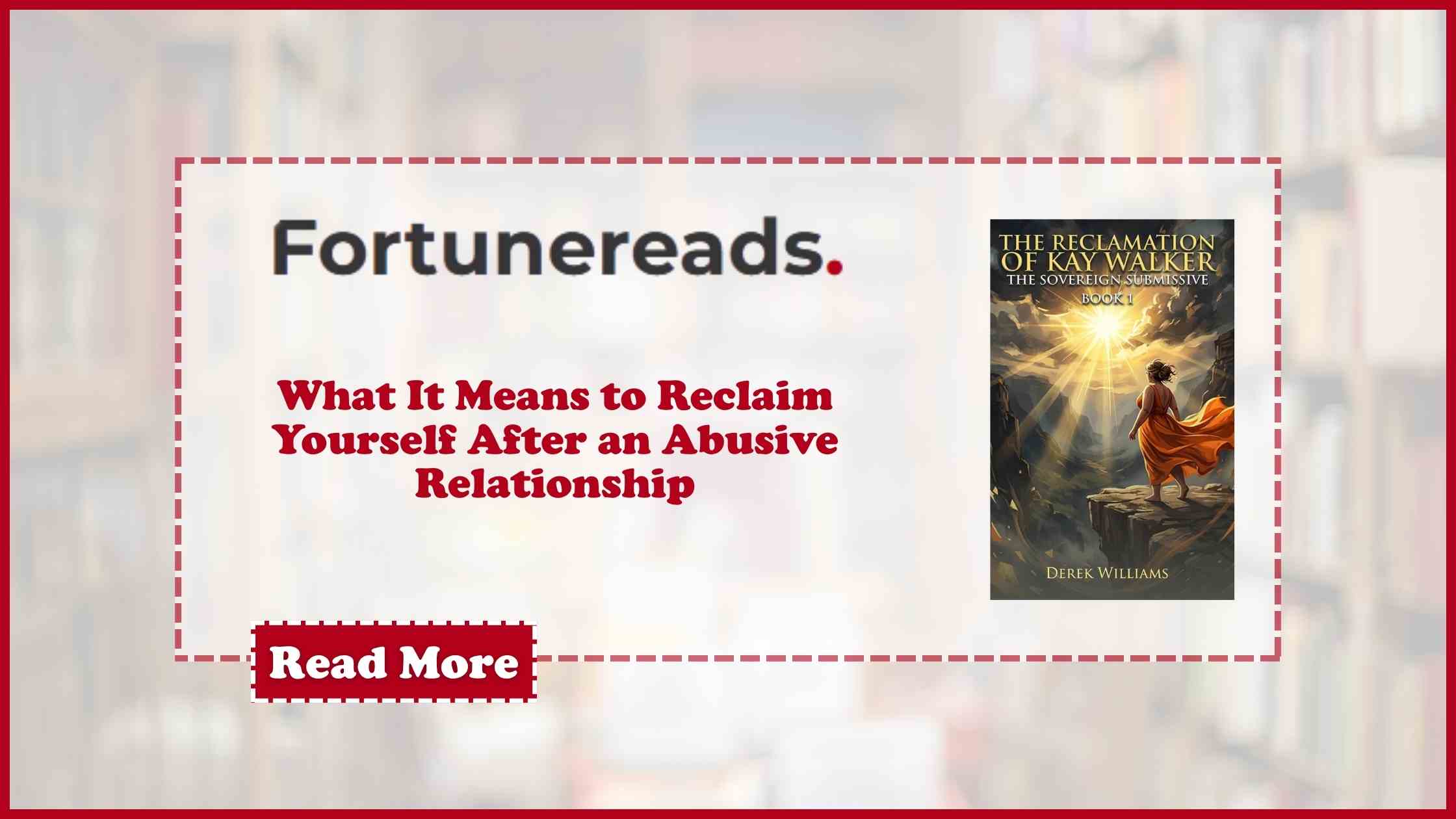
In The Reclamation of Kay Walker: The Sovereign Submissive, Book 1, Derek Williams explores a woman’s struggle to recover her identity, confront emotional wounds, and understand what trust truly requires. Kay’s journey shows that strength is not always loud or fearless. Sometimes, strength is found in admitting pain, accepting support, setting limits, and choosing to begin again.
The novel offers an intense examination of control, vulnerability, trauma, and personal freedom. It asks readers to consider whether surrender can ever be meaningful without safety and whether love can exist without respect.
Reclaiming yourself is not a single decision. It is a series of choices made every day. It begins when you stop viewing survival as the end of your story and start seeing it as the foundation of a new life.