Historical heroines often make choices that trouble modern readers. They remain in harmful marriages, accept beliefs that now seem unjust, or depend on people who limit their freedom. Before condemning them, readers must consider the laws, customs, dangers, and expectations that shaped their lives.
A woman in nineteenth century Appalachia did not have the choices many women have today. Marriage affected her property, security, reputation, and place in the community. Leaving a husband could mean losing her home, financial support, social standing, or even her children. In an isolated mountain settlement, there might be nowhere safe for her to go.
This does not mean every decision should be excused. Historical context explains behaviour, but it does not erase its consequences. A heroine can be understandable without being innocent. She can survive cruelty and still hurt others. She can heal the sick while carrying anger, desire, guilt, and the capacity for violence.
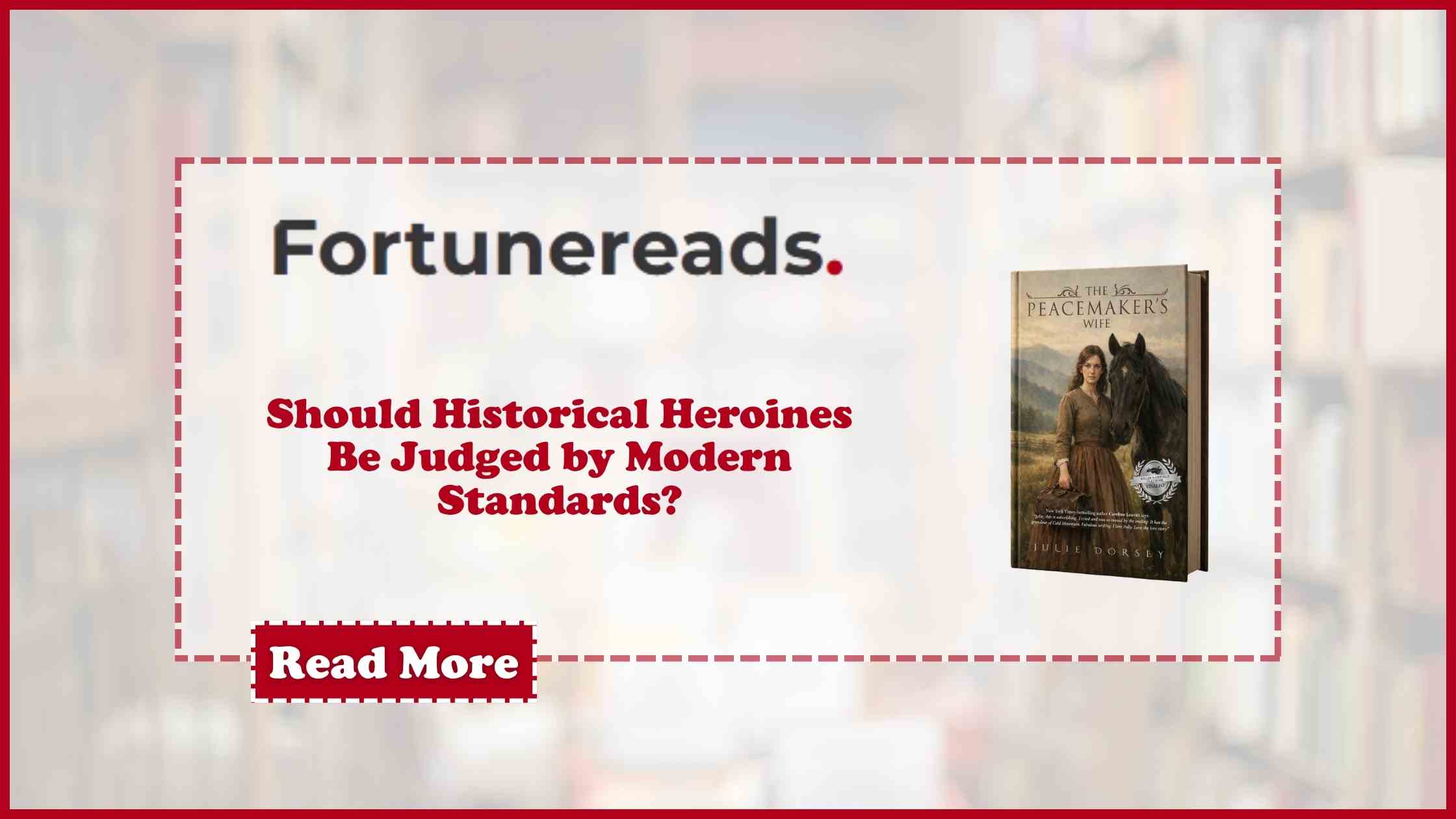
Polly, the central character in Julie Dorsey’s The Peacemaker’s Wife, demands this kind of careful judgment. She is trapped in an abusive marriage, loves another man, and practises medicine without formal training. She also makes choices that test the boundary between protection and revenge.
Some readers may wonder why Polly does not leave John sooner. Others may question her relationship with Sam or her final response to the murderer threatening Blue Ridge. From a modern distance, better choices can seem obvious. Within Polly’s world, every path carries danger.
Polly has no shelter, court order, bank account, or reliable legal protection. Her safety depends on family, neighbours, and her own ability to judge a threat. She lives during the Civil War, when ordinary law is weakened and violence becomes common. Her decisions grow from that reality.
Yet Polly is not merely a victim of her time. She teaches herself to read, studies medicine, learns from a granny woman, and earns the trust of her community. Her strength lies not in behaving like a modern woman placed in the past, but in finding ways to act within the limits surrounding her.
Historical fiction is most powerful when it allows readers to understand without demanding agreement. A believable heroine should not reflect every value of the present. She should belong to her own time while possessing emotions readers still recognise.
Loosely inspired by Dorsey’s great great grandmother, Doctor Polly King Justice, The Peacemaker’s Wife asks readers to sit with difficult questions. Polly may not always choose what we would choose, but her struggle for safety, love, purpose, and freedom is unmistakably human.
Step into the shadows of Blue Ridge and uncover the truth today. https://www.amazon.com/dp/B0GHKW5LCV/