Why do people who experience abuse sometimes blame themselves for something they never caused? Why does guilt remain long after the traumatic experience has ended? For many survivors, these questions become an exhausting part of everyday life.
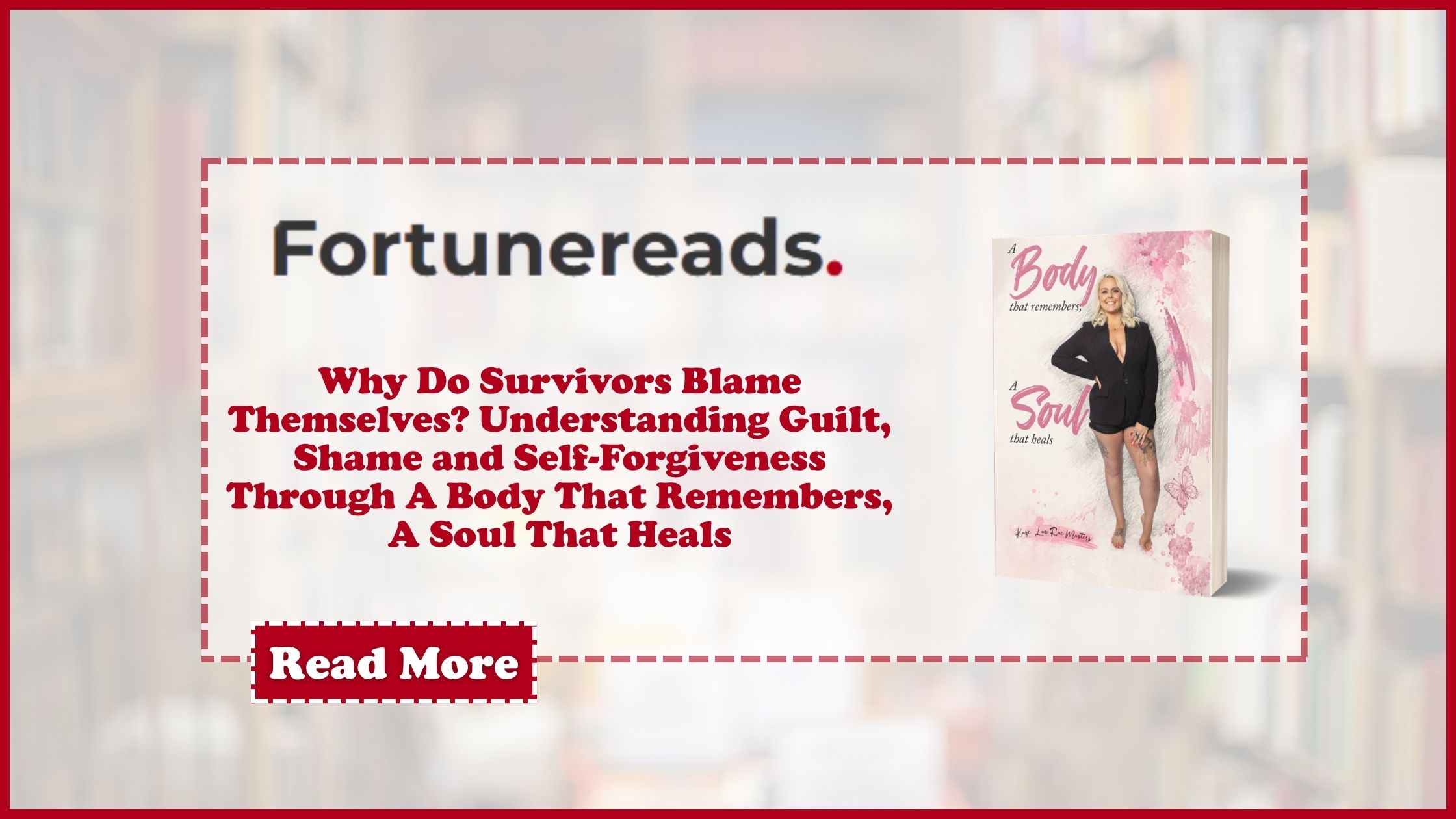
In her deeply personal memoir, A Body That Remembers, A Soul That Heals, author Kaye-Lani Masters explores these struggles through her experiences of childhood sexual abuse, domestic violence, emotional suffering and recovery.
Her story reveals how deeply shame can influence someone’s identity and why learning to release misplaced guilt can become an important step toward healing.
Why Do Trauma Survivors Sometimes Blame Themselves?
When someone experiences trauma, particularly during childhood, understanding what happened can feel overwhelming.
Some survivors begin questioning their actions, wondering whether they could have prevented the abuse or responded differently. Self-blame can become an attempt to make sense of an experience in which they had little or no control.
For Kaye-Lani Masters, these questions began when she experienced sexual abuse at eight years old.
She remained silent for years, believing that revealing the truth would hurt her family. Even after disclosing the abuse, she struggled with guilt about the emotional consequences that followed.
Rather than recognizing that the responsibility belonged entirely to those who harmed her, she carried shame that affected her confidence and relationships.
Understanding the Difference Between Guilt and Shame
Although guilt and shame often appear together, they affect people differently.
Guilt generally involves believing that you did something wrong. Shame goes deeper, creating the painful belief that something is fundamentally wrong with you.
Throughout A Body That Remembers, A Soul That Heals, Masters describes how these emotions shaped her decisions and relationships.
She struggled with worthlessness, found it hard to trust others and repeatedly questioned whether she deserved happiness.
Her experiences demonstrate that unresolved trauma can influence how people view themselves, even when they intellectually understand they were not responsible for what happened.
How Kaye-Lani Masters Began Releasing Years of Self-Blame
One of the most meaningful transformations in Masters’ memoir occurs when she begins confronting her past through professional mental health support.
Through intensive therapy, Eye Movement Desensitization and Reprocessing (EMDR) and conversations with trusted professionals, she gradually challenges the beliefs she developed during childhood.
During one memorable therapy exercise, her therapist asks her to carry five rocks representing the guilt she refuses to release.
The physical burden becomes a powerful reminder of the emotional weight she has carried for decades.
Eventually, Masters recognizes that blaming herself cannot change the past.
More importantly, she begins accepting that the abuse was never her fault.
Why Self-Compassion Matters in Emotional Recovery
For trauma survivors, self-forgiveness should never mean accepting responsibility for someone else’s harmful actions.
Instead, healing may involve forgiving themselves for perceived mistakes, questioning unfair self-judgments and recognizing that they deserved compassion all along.
Masters’ journey illustrates how therapy, supportive relationships and honest self-reflection can help people develop healthier perspectives.
Her recovery is not immediate or effortless. However, each step helps her reconnect with her identity beyond the experiences that once defined her.
A Powerful Memoir About Healing Beyond Shame
A Body That Remembers, A Soul That Heals offers readers an honest look at guilt, resilience and the courage it takes to confront painful memories.
Through her remarkable journey, Kaye-Lani Masters reminds readers that healing does not require forgetting the past. Sometimes, it begins with understanding that the blame was never yours to carry.
Discover Kaye-Lani Masters’ inspiring journey toward self-acceptance and emotional healing. Read A Body That Remembers, A Soul That Heals, available now on Amazon.
Buy the Book: https://www.amazon.com/dp/B0HKYLLSMP