It is no secret that the world our children are growing up in looks very different from the one we knew. Truth today is treated more like an opinion than a foundation. For Catholic parents, this presents a serious challenge. How do you raise children to love, live, and stand for the truth of the faith in a society that often shrugs at, or outright rejects it?
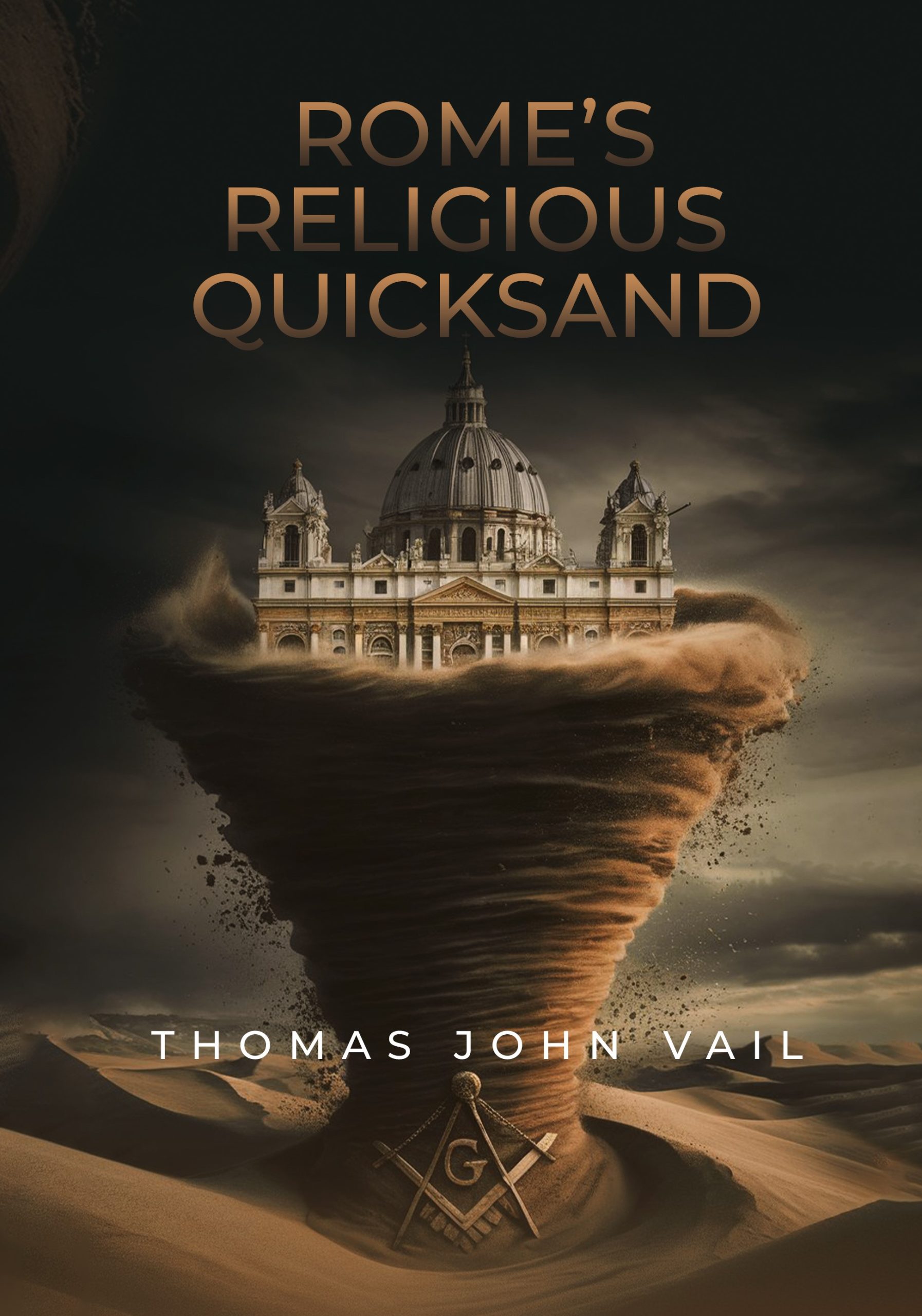
Rome’s Religious Quicksand by Thomas John Vail enters this conversation with both urgency and hope. The novel tells the story of Tom Joseph, a devoted Catholic father who returns from a business trip to find that his teenage son, John, is questioning his faith and considering leaving the Church altogether. What follows is a powerful week-long journey where father and son engage in heartfelt conversations, explore Catholic teachings, and face the reality of what it means to live in a world that doesn’t believe in absolute truth.
The strength of the novel lies in its realism. Tom doesn’t preach at his son. Instead, he listens, explains, and opens up about his own struggles. He uses stories, scripture, Church history, and even relics to guide his son back, not with fear or pressure, but with reason, love, and patience. This approach is not only relatable, it’s practical. Parents reading this will see their own family tensions reflected in the pages.
In one scene, John challenges the idea of confession, saying it feels outdated. Rather than reacting with frustration, Tom calmly shares the biblical roots of the sacrament and why it offers healing. He reminds his son that Catholic teachings are not man-made rules. They are spiritual tools for navigating a broken world. It is these kinds of grounded, respectful conversations that many Catholic parents today are searching for.
Another key moment in the book is the family’s renewed commitment to praying the rosary together. It is not presented as a magic fix, but as a source of unity, calm, and focus in a home that had started to drift. These small habits, daily prayer, open discussion, and shared Mass attendance, are shown not as old-fashioned but as lifelines.
The novel also touches on the confusion children face when exposed to Protestant ideas, secular media, or watered-down teachings. Tom helps his son sort through these influences by pointing him back to the Catechism and Church tradition. He does not belittle other beliefs, but he does not compromise either. That balance is hard to strike in real life, which is why the book is such a helpful guide.
Ultimately, Rome’s Religious Quicksand reminds readers that raising Catholic children in a world that does not care about truth requires more than lectures or discipline. It requires presence. It requires parents who are willing to walk with their children through doubt, ask hard questions, and provide solid answers grounded in faith.
For Catholic parents who are tired of watching their children drift away from the Church, this book offers both a warning and a way forward. It shows that even in a confused world, truth can still be taught, and that the family is the first and best place to do it. If you are looking for encouragement, ideas, and a reminder that you are not alone in the fight for your child’s faith, Rome’s Religious Quicksand is well worth the read.
Grab your copy now: https://www.amazon.com/dp/1967963606