“Why didn’t they just tell someone?” It’s a question often asked when stories of child abuse surface. To outsiders, disclosure seems like the obvious path to safety. But for children living in fear, silence is not a choice; it is survival. The decision not to speak is shaped by threats, shame, mistrust, and the heartbreaking belief that no one will listen.
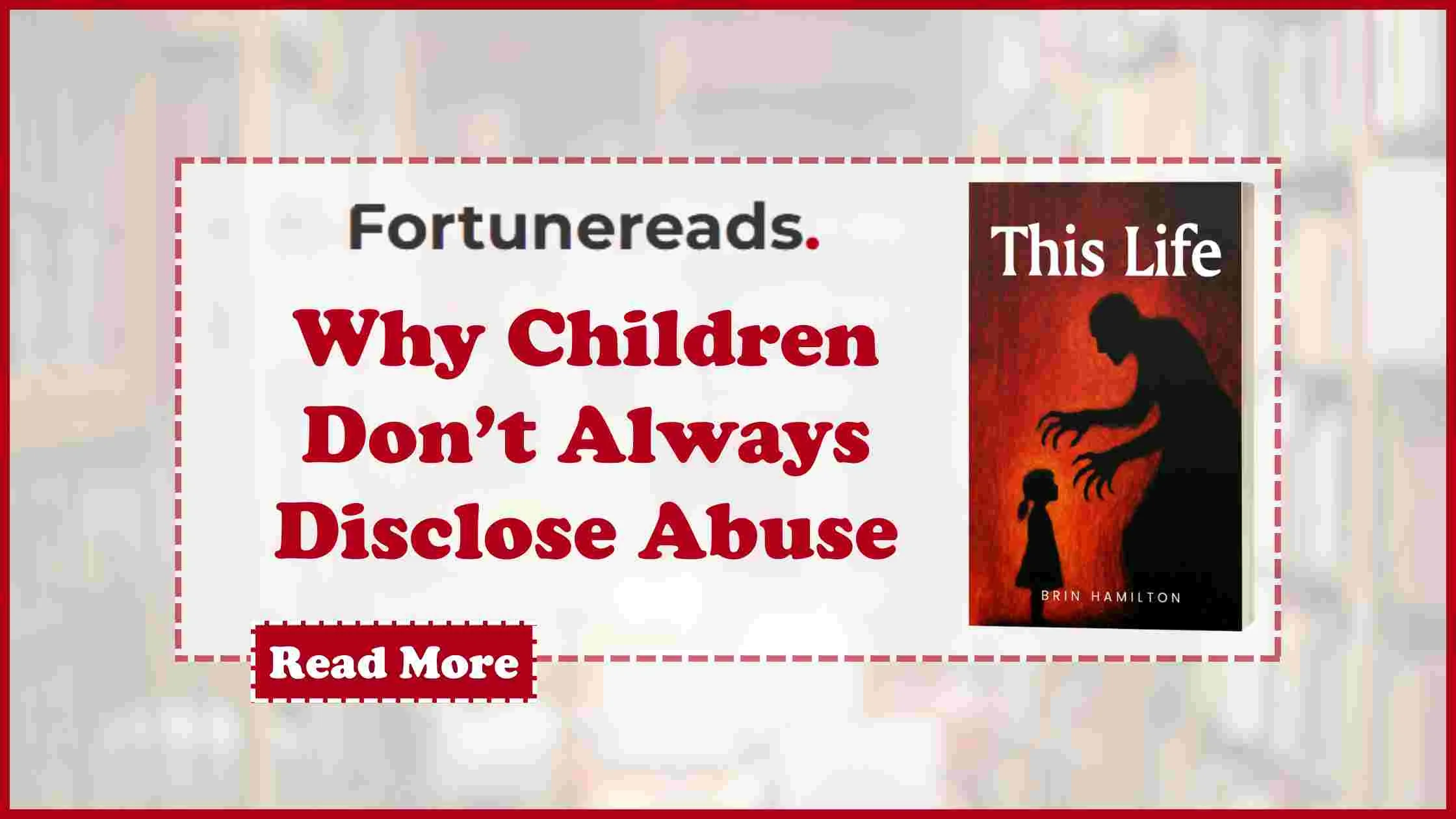
Brin Hamilton’s This Life offers a powerful illustration of this truth through the story of Callie. Growing up in a home defined by violence, neglect, and addiction, Callie endured repeated harm, but her voice remained small and uncertain. The reasons behind her silence mirror the lived experiences of many children in similar situations.
First, there was fear of punishment. Callie’s mother, Corrine, reacted to almost everything with anger. When Callie cried or tried to express herself, she started shouting, slapping, or worse. For a child, speaking up about abuse can feel more dangerous than keeping quiet. In This Life, Callie quickly learned that voicing her pain could invite further harm, and so she stayed silent.
Second, threats from abusers created a cage of fear. Corrine’s partners, especially the men who moved into the home, reinforced Callie’s silence with intimidation. Some threatened her directly, warning that if she told anyone, her siblings would suffer. For a child who loves her brother and sister, those threats are paralyzing. Protecting others becomes more important than protecting herself.
Third, mistrust of adults silenced her further. When Callie did try to hint at her suffering, adults often ignored or dismissed her. Teachers saw her behavior as disruptive rather than as a cry for help. Social workers came and went, never seeing the full picture. Her own mother minimized or denied what was happening. Over time, Callie absorbed the painful lesson that adults would not believe her, and without trust, disclosure feels impossible.
This Life shows how this cycle of silence is not the child’s fault but the failure of the systems around them. The story highlights the need for adults, teachers, neighbors, and caregivers to notice small signs, to ask gentle questions, and to create environments where children feel safe enough to speak. A compassionate response can break through fear, but it requires patience, persistence, and genuine belief in the child’s voice.
Understanding why children don’t disclose abuse is critical for anyone who works with or cares about vulnerable young people. Silence should never be mistaken for safety. The absence of disclosure does not mean the absence of harm.
Callie’s journey in This Life is heartbreaking, but it is also a call to action. By listening more carefully, by offering unconditional belief and support, adults can help children move from silence to safety.
If you want to understand not just the pain of abuse but the reasons behind children’s silence, This Life is a story you cannot ignore.