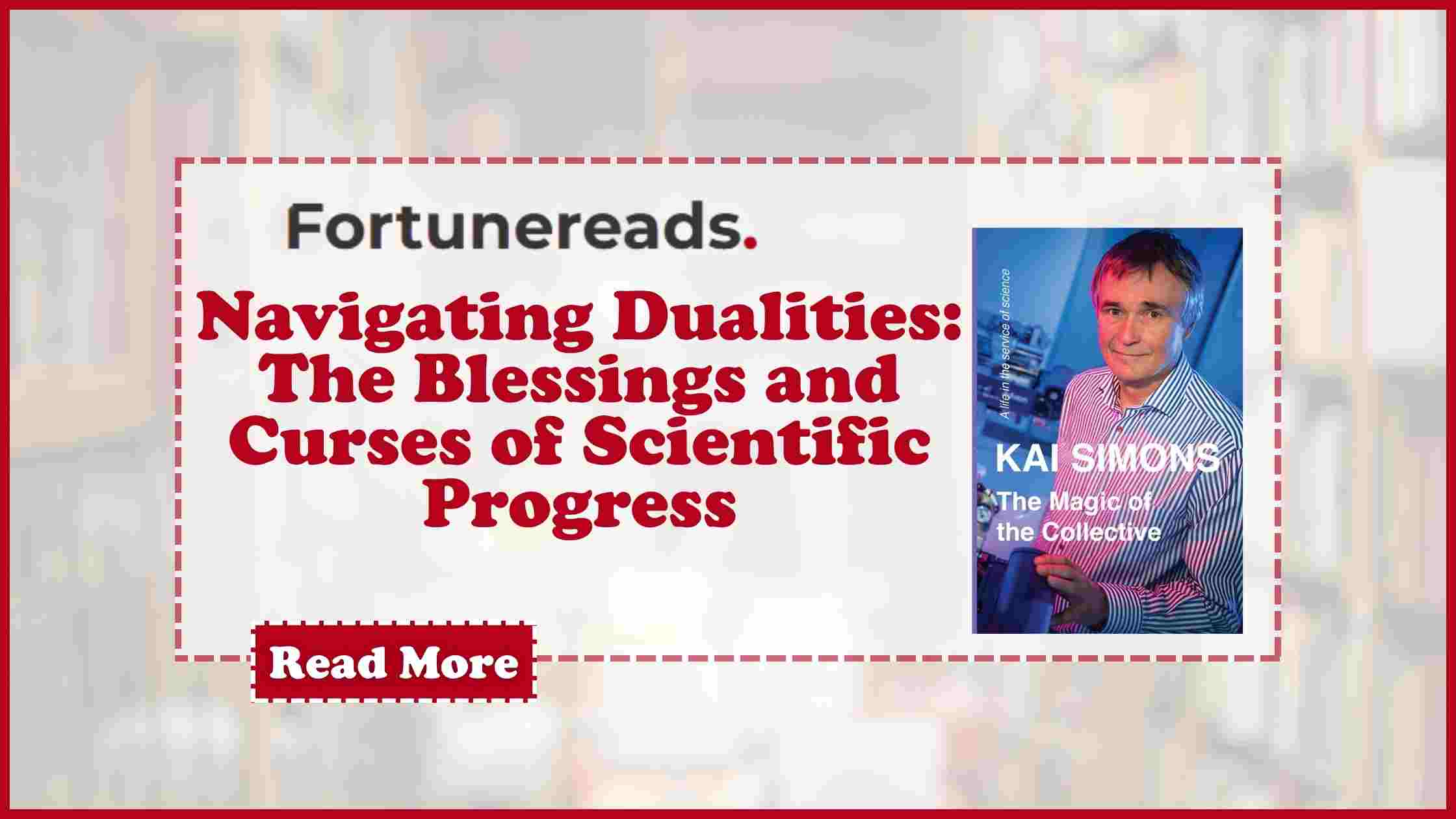
Scientific innovation has been a double-edged sword, delivering profound benefits while simultaneously creating unforeseen challenges. In The Magic of the Collective: A Life in the Service of Science, Kai Simons reflects on these dualities, urging the scientific community to address the unintended consequences of their work with humility and responsibility.
Climate Change: A Byproduct of Progress
Simons highlights climate change as a poignant example of innovation’s unintended impacts. While advancements in technology have dramatically improved global living standards and extended life expectancy, they have also fueled CO2 emissions. The very tools that enabled industrial and agricultural revolutions have placed the planet in peril, with extreme weather events, rising sea levels, and biodiversity loss becoming increasingly severe.
Simons underscores the urgency for interdisciplinary collaboration to mitigate these consequences. He advocates for sustainable solutions that integrate insights from various fields, emphasizing that scientists cannot work in isolation. To navigate the complexities of climate change, research must transcend traditional boundaries, incorporating social, economic, and ecological considerations.
Vaccine Hesitancy: Trust in Science Eroded
The COVID-19 pandemic offers another stark example of scientific dualities. Simons praises the unprecedented speed of vaccine development, made possible through global collaboration and technological advancements. However, he also notes the counterwave of distrust that accompanied this achievement. Vaccine hesitancy, fueled by misinformation and a deep-seated skepticism of scientific institutions, hindered efforts to control the pandemic.
Simons attributes this distrust to a history of scientific breakthroughs that were poorly communicated or perceived as harmful. To rebuild public trust, he argues, scientists must engage more effectively with communities, explaining not just the benefits of their work but also its limitations and potential risks.
The Path Forward
To address these dualities, Simons emphasizes the need for a shift in scientific culture. Researchers must adopt a mindset of intellectual humility, acknowledging that their innovations may have unintended consequences. This requires proactive reflection and a willingness to adapt when new challenges arise.
Policymakers and scientists must also work together to anticipate and mitigate risks associated with technological advancements. Simons calls for a more integrative approach to innovation, where ethical considerations and societal impacts are central to research and development.
Finally, public engagement is crucial. By fostering dialogue and transparency, the scientific community can bridge the gap between innovation and public understanding, ensuring that the benefits of progress are widely shared while minimizing harm.
In The Magic of the Collective, Simons offers a vision of science as a force for good that recognizes its own complexities. By embracing this vision, society can navigate the blessings and curses of progress, building a future where innovation serves both humanity and the planet responsibly.