We often do not think that faith and love can coexist. Where faith calls you to trust in something greater than yourself, love calls you to trust your own heart. When the two meet, the result can be both beautiful and difficult.
Falling in love often begins with emotion. It is spontaneous, exciting, and sometimes unpredictable. Faith, on the other hand, is about discipline and patience. It guides choices through a moral lens, asking you to consider what’s right, not just what feels right. Balancing the two can feel like walking a narrow line, especially when you care deeply about both.
Especially with teens, many young adults face challenges when they meet someone with a different worldview. You might share laughter, dreams, and chemistry, but notice your beliefs don’t align perfectly. This can be confusing. Do you follow your heart and compromise your values, or stay true to your faith and risk losing someone who makes you feel alive? This conflict isn’t new, but it often feels very personal.
Faith emphasizes that love should be pure, selfless, and purposeful. Conversely, love itself fosters empathy, patience, and forgiveness—traits central to many faiths. In reality, faith and love are not opposed; rather, they are two routes converging toward the same core truth: mastering the art of giving without sacrificing oneself.
The hardest part is often not choosing between faith and love, but understanding how they can exist together. You can love someone and still hold your beliefs. You can follow your faith and still feel deeply. What matters is honesty. Pretending to be someone you’re not, for the sake of love, always leads to hurt. But loving with integrity—where both hearts are respected—can lead to growth and peace.
For many young people, faith becomes the framework through which they learn to love better. It teaches responsibility, compassion, and respect. It reminds them that love should lift, not limit. And for others, love becomes the way they rediscover faith. It opens their eyes to kindness, grace, and understanding that go beyond rules or labels.
It’s not an easy balance. Some people find that faith guides them to make choices their hearts resist. Others learn that faith, when rooted in compassion, can bless love rather than block it. In the end, what defines the outcome is not the struggle between the two but how much truth you bring into both.
Love without faith can lose direction. Faith without love can lose warmth. The strongest relationships find space for both, which have the depth of feeling and the strength of conviction.
So, can you hold onto what you believe while following what you feel?
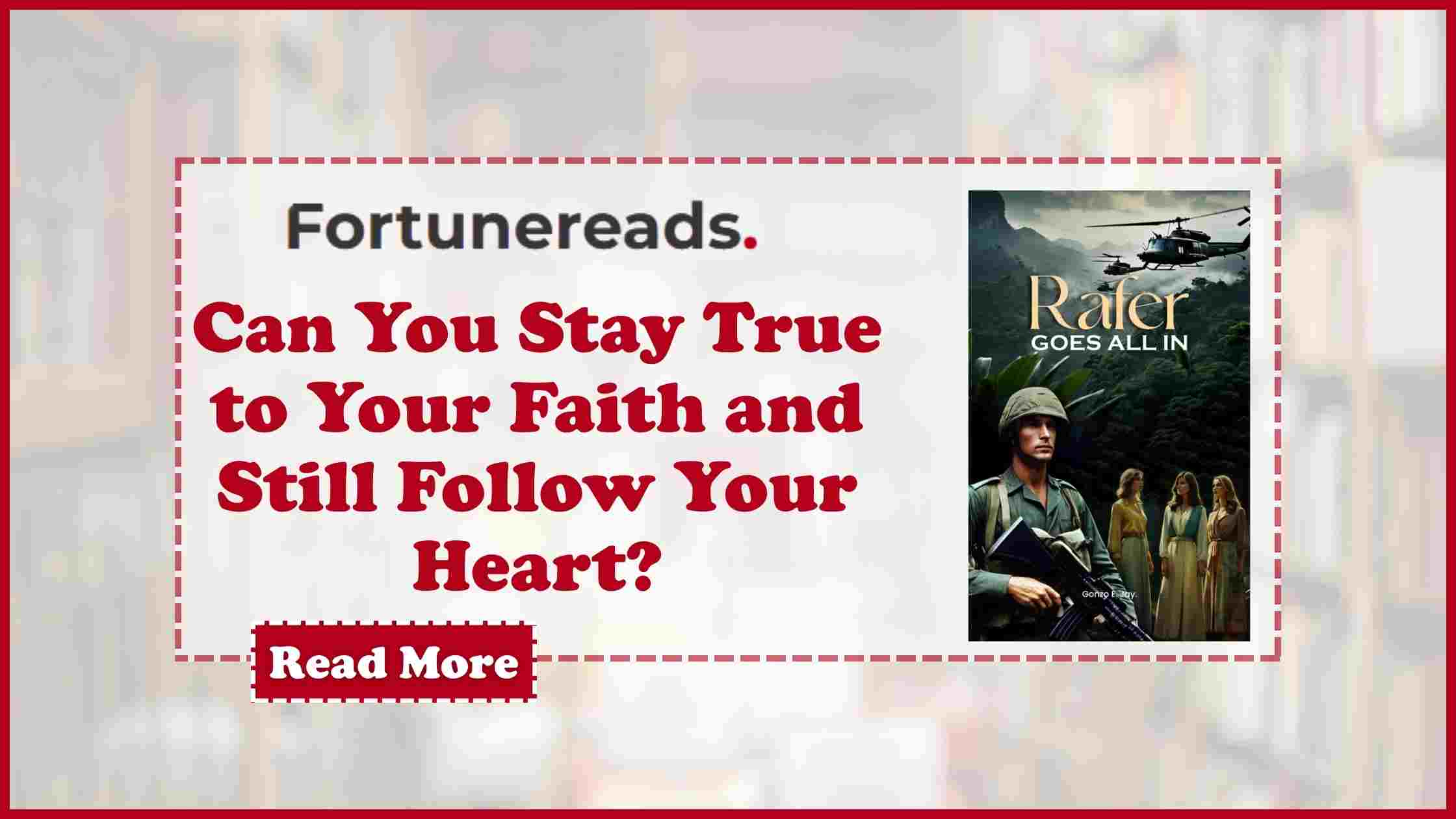
That question sits at the heart of Rafer Sandoval’s journey in Rafer Goes All In. His story explores the space where faith and love meet, where choices carry both risk and reward. Through Rafer’s eyes, readers see that staying true to yourself doesn’t mean choosing one over the other. It means learning that real faith is big enough to hold real love.
If you’ve ever faced the pull between belief and desire, Rafer’s story will feel familiar. Sometimes, the hardest decisions are not between right and wrong, but between two rights that lead in different directions. And when they do, you’ll have to ask yourself the same question Rafer does. What would you do next?
You can purchase the book from Amazon: https://www.amazon.com/dp/B0DJ82952X.
Rafer Goes All In continues Rafer Sandoval’s story as he steps into adulthood, still chasing love, purpose, and peace. After heartbreak and change, Rafer tries to rebuild his life, moving into a new apartment, making new friends, and meeting Pamela—a girl whose kindness and honesty challenge his ideas about love and faith. What begins as friendship grows into something more, just as life throws him an unexpected choice that could change everything. Caught between hope and fear, Rafer must decide what truly matters and how far he’s willing to go for love. Both tender and thought-provoking, Rafer Goes All In is a coming-of-age romance about second chances, inner strength, and the moments that define who we become.