Stories have always evolved alongside the tools used to create them. From oral traditions to printed books to digital media, each shift has changed not only how stories are told but who gets to tell them. Today, a new change is taking shape. Human AI co-authorship is beginning to influence how narratives are imagined, written, and shared. This shift does not replace human creativity. Instead, it reshapes the creative process itself.
At its core, storytelling has always been collaborative. Editors refine drafts, readers interpret meaning, and cultural context shapes every narrative. Artificial intelligence introduces a new kind of collaborator, one that can assist with structure, ideas, and pattern recognition while still relying on human intention and judgment. The result is not a machine-written story, but a shared creative space where human experience and computational insight meet.
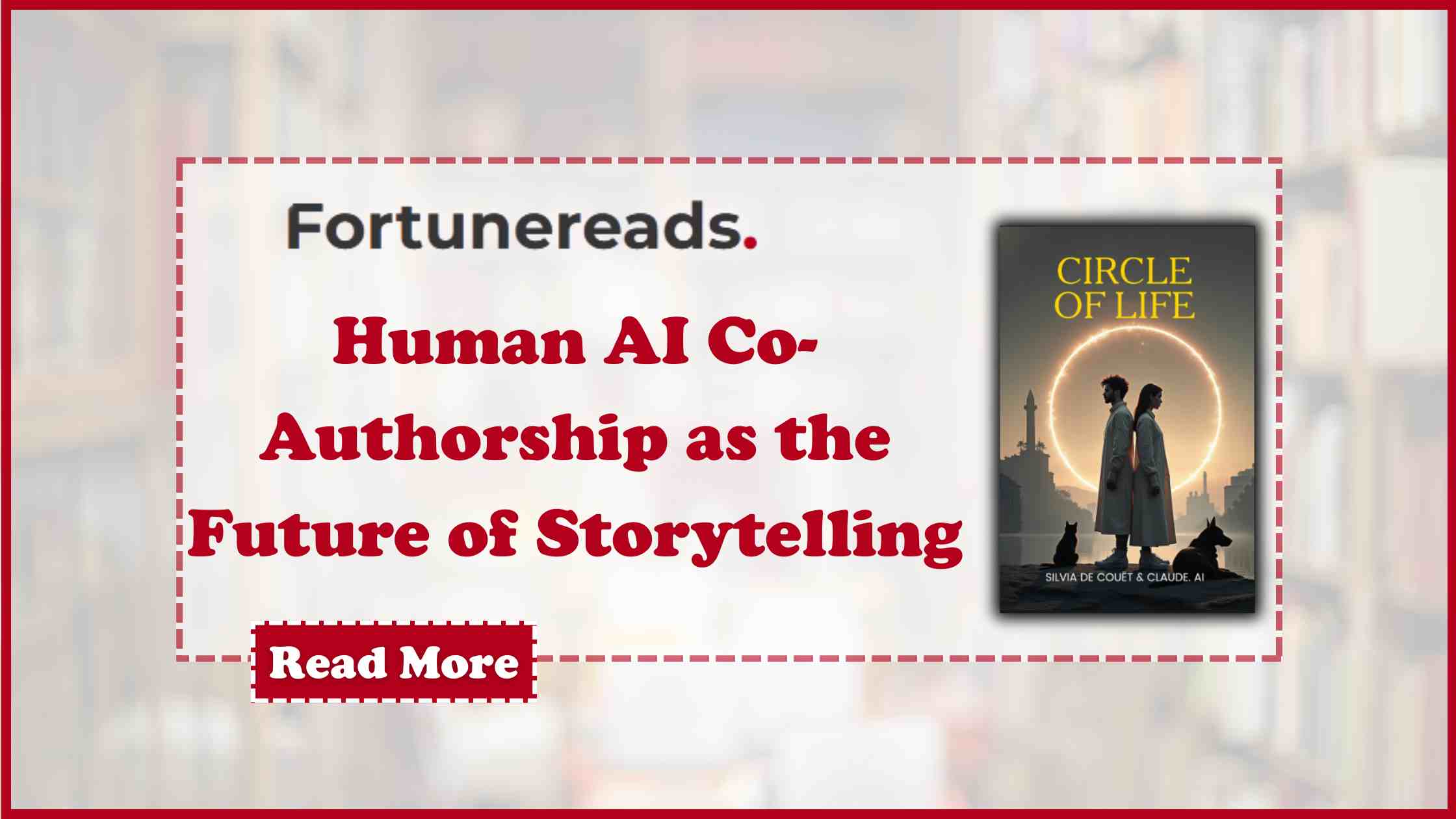
This idea becomes especially meaningful when examined through real examples. A thought leadership piece positioning Circle of Life as a real-world example of future creative collaboration helps illustrate what this partnership can look like in practice. The novel Circle of Life by Silvia de Couët and Claude AI is not only a story about artificial intelligence and human connection. It is also a product of that very relationship. The method of creation mirrors the themes explored within the book itself.
In traditional authorship, the writer controls every narrative decision. With AI collaboration, the process becomes more conversational. The human author guides tone, meaning, and emotional direction. The AI contributes suggestions, alternative structures, and unexpected links between ideas. This dynamic can encourage writers to explore angles they might not have considered alone, while still keeping creative authority firmly in human hands.
One important concern often raised is whether AI collaboration reduces originality. In practice, the opposite can occur. When used responsibly, AI becomes a tool for reflection rather than replacement. It prompts questions, highlights patterns, and supports experimentation. The human author remains responsible for judgment, ethics, and emotional truth. The story still comes from lived experience, values, and imagination.
Circle of Life demonstrates how this balance can work. The collaboration between Silvia de Couët and Claude AI does not feel mechanical or detached. Instead, it reflects a shared exploration of ideas about consciousness, identity, and connection. The novel itself embodies its themes through the collaboration between Silvia de Couët and Claude AI, making the creative process part of the message rather than a hidden technical detail.
Looking ahead, human AI co-authorship may become more common across genres. It can support writers facing creative blocks, assist with research, or help shape complex narratives. At the same time, it raises important questions about authorship, responsibility, and creative ownership. These questions deserve careful thought, not fear-driven reactions.
Storytelling has never been static. Each new tool has challenged writers to adapt while staying true to the human need to express meaning. Human AI collaboration represents another step in that ongoing evolution. It is not about giving stories to machines, but about exploring how technology can support human voices.
For readers interested in this future and in thoughtful storytelling shaped by both human insight and artificial intelligence, Circle of Life by Silvia de Couët and Claude AI offers a grounded and relevant example well worth reading.
Read Circle of Life by Silvia de Couët and Claude AI, available on Amazon: https://www.amazon.com/dp/1968296697/.