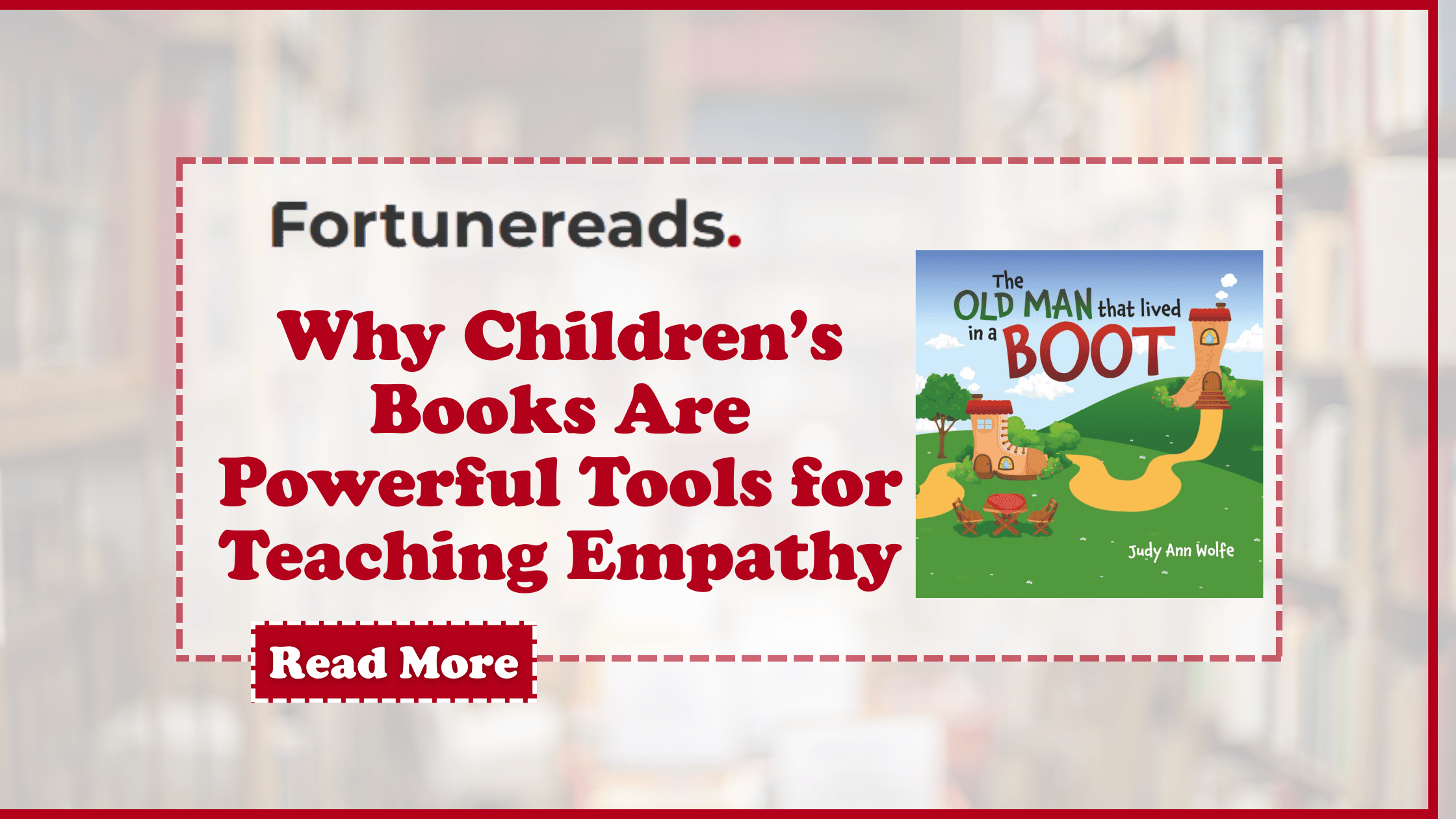
Children’s literature has long been a place where important life lessons are introduced gently and effectively. Stories give young readers the chance to explore emotions and consequences in a way that feels safe and relatable. One of the most valuable lessons a book can offer is how to respond when something goes wrong. The Old Man Who Lived in a Boot by Judy Wolfe is a strong example of a story that guides children toward understanding and problem solving rather than fear or punishment.
In the story, a simple situation unfolds that many families recognize. Children play outside after school and make careless choices that negatively affect someone else. Instead of reacting with anger, the adults in the story choose communication. This decision sets the tone for the entire resolution. Young readers see that problems do not have to lead to shouting or harsh consequences. They can be solved through calm discussion and cooperation.
What makes this approach so effective is that it mirrors how children actually learn best. When punishment is removed, children are more open to reflection. In The Old Man Who Lived in a Boot, the children are given space to understand how their actions affected the old man. This awareness leads naturally to accountability. The apology feels sincere because it comes from understanding, not fear. This teaches children that responsibility is about empathy and effort, not simply avoiding trouble.
Books like this also help children feel safe admitting mistakes. When stories show characters growing instead of being labeled as bad, readers learn that mistakes are part of life. Judy Wolfe presents a world where learning is encouraged and kindness is valued. This kind of storytelling builds confidence and emotional resilience, skills children carry with them far beyond the page.
Book now available on https://www.amazon.com/dp/B0FTTKLNND.