Few wrestlers have generated the kind of emotional reaction that Nikolai Volkoff inspired during the Cold War. Week after week, he entered arenas filled with thousands of fans who loudly booed, shouted insults, and sometimes even threw objects toward the ring. His controversial reputation was not based on his personal beliefs, but on one of the most convincing villainous characters in professional wrestling history.
Nikolai Volkoff was born Josip Hrvoje Peruzovic in Croatia, then part of Yugoslavia. Although many fans believed he was genuinely Russian, his Soviet identity was entirely part of his wrestling character. In reality, he had experienced life under communism and held views that differed greatly from the role he portrayed on television.
His wrestling persona was carefully crafted to represent everything many Americans feared during the Cold War. Volkoff praised the Soviet Union, criticised the United States, and proudly presented himself as a loyal supporter of communism. At a time when political tensions between the United States and the Soviet Union dominated international headlines, his character immediately captured the audience’s attention.
Perhaps his most famous trademark was singing the Soviet national anthem before his matches. The performance became one of the most recognised entrances in professional wrestling. Fans responded with deafening boos before the contest had even begun. The anthem alone was enough to establish Volkoff as the villain, turning every appearance into an emotional event.
His rivalry with American heroes made him even more controversial. When Volkoff faced patriotic wrestlers, the matches represented more than athletic competition. To many spectators, they symbolised the broader struggle between freedom and communism. Every victory by an American wrestler felt like a symbolic triumph for the nation, while Volkoff’s successes often shocked and frustrated audiences.
His partnership with the Iron Sheik added another layer to his reputation. Together, they portrayed representatives of two countries that many Americans viewed as political adversaries during the 1980s. Their interviews, behaviour, and victories created some of the era’s most memorable rivalries and helped define professional wrestling’s approach to international storytelling.
Despite the intense hostility directed toward his character, Volkoff earned enormous respect within the wrestling industry. Fellow wrestlers admired his professionalism and commitment, while fans eventually recognised the skill required to create such powerful emotional reactions. As the Cold War came to an end, audiences began to separate the performer from the character, allowing many to appreciate his contribution to wrestling history.
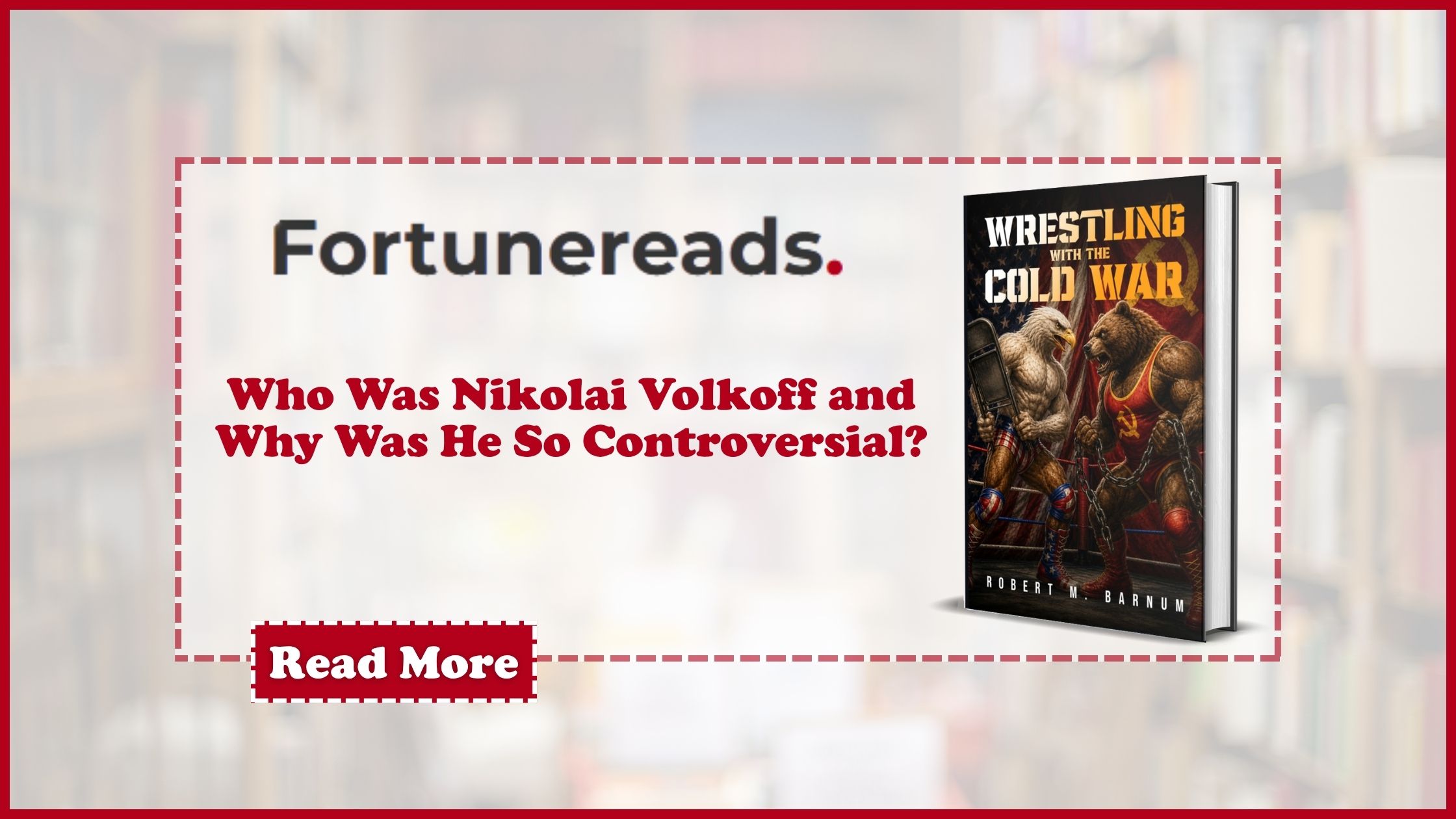
In Wrestling With the Cold War, Robert M. Barnum explores the fascinating story behind Nikolai Volkoff and the historical climate that made him one of wrestling’s most unforgettable figures. Through historical research, wrestling archives, interviews, and fan experiences, the book explains why Volkoff became a symbol of an era when politics and entertainment were closely connected.
For readers interested in professional wrestling, Cold War history, media, or American popular culture, Wrestling With the Cold War provides a compelling look at the man behind the character and reveals why Nikolai Volkoff remains one of the most controversial and memorable villains the wrestling world has ever seen.