Young children are naturally curious, energetic, and eager to explore. They run, climb, jump, and reach for things before they always understand the risks around them. This is a normal part of childhood, but it can make everyday places such as homes, classrooms, playgrounds, and roads more difficult to navigate safely. The Stop, Look, Choose method gives children three simple steps they can remember when they need to make a decision.
The first step is Stop. Children are encouraged to freeze their bodies, keep their hands and feet still, and take a slow breath. This small pause gives them time to move from reacting quickly to thinking carefully. For children who often feel excited, restless, or overwhelmed, stopping can prevent an unsafe action before it happens.
The second step is Look. Once children have paused, they can check what is happening around them. They may notice a wet floor, an untied shoelace, a moving swing, a low beam, a busy road, or another child standing nearby. Looking helps them understand that safety depends on paying attention to their surroundings before moving.
The final step is Choose. Children use what they have noticed to make a safer decision. They might walk instead of run, hold a handrail, wait beside the swings, land on two feet, use a climbing frame instead of a fence, or ask an adult for help. These choices may seem small, but practising them regularly can build confidence, awareness, and independence.
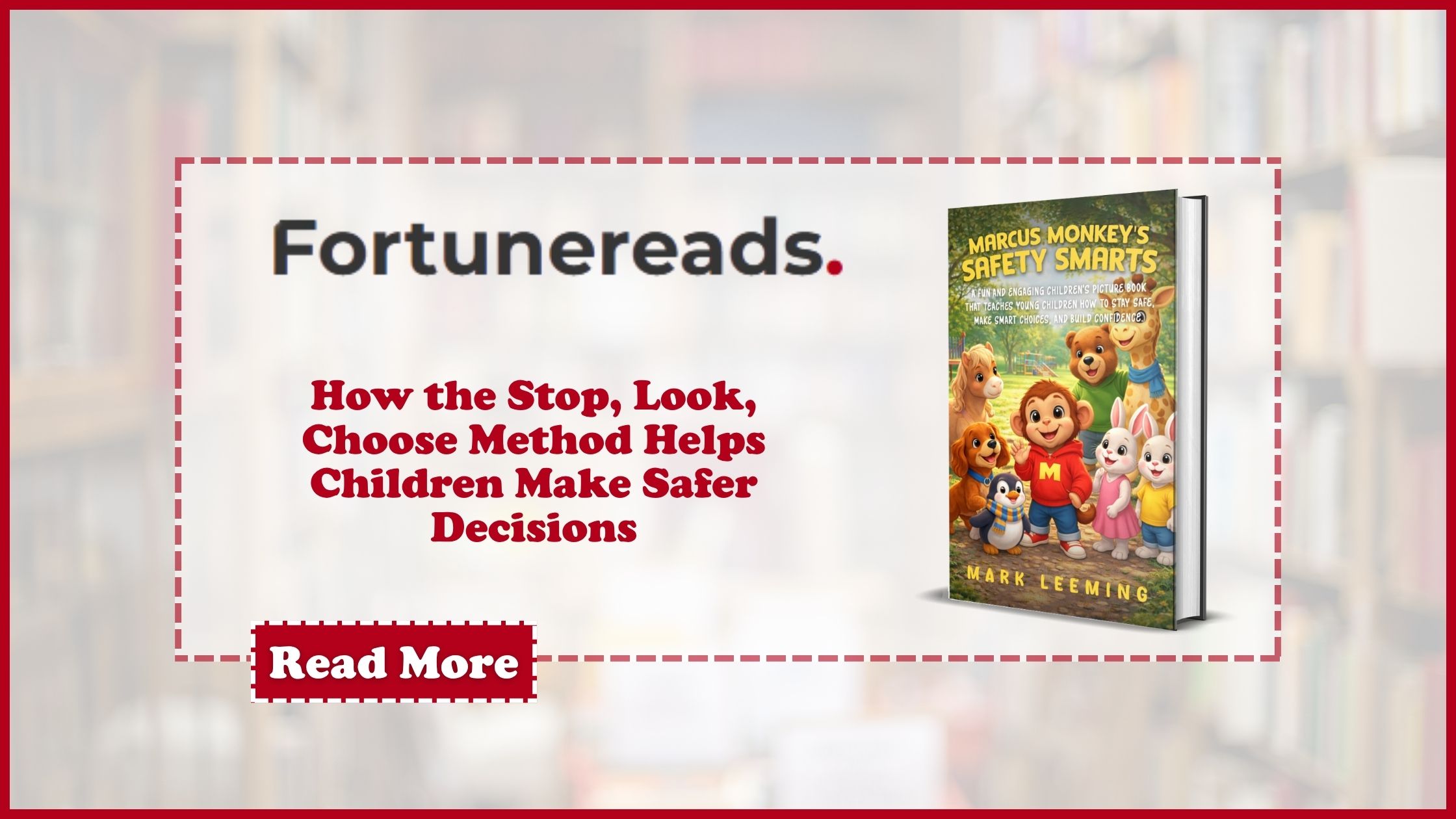
Marcus Monkey’s Safety Smarts: Stop. Look. Choose. introduces this method through clear language, familiar situations, and memorable characters. Marcus is an energetic monkey who sometimes moves so quickly that he forgets to think. With help from the Safety Squad, he learns how to slow down, notice possible dangers, and make better choices.
The story is especially helpful for children with ADHD or autism because it uses repetition, visual learning, positive reinforcement, and straightforward instructions. Rather than frightening children with warnings, the book teaches safety through calm reminders, encouragement, and relatable examples.
Parents, carers, and teachers can also use the story to begin practical conversations. Children can practise the three steps at home, in school, at the park, or while walking near a road. Adults can ask, “What do you see?” or “What would be the safest choice?” to help children apply the lesson in real life.
Marcus Monkey’s Safety Smarts turns an important safety message into an engaging learning experience. It shows children that being careful does not mean they have to stop having fun. They can still run, climb, jump, and explore. They simply learn to think first.