Talking to children about emotions is not always easy. Feelings such as anger, fear, sadness, loneliness and worry can seem too big or too abstract for young minds to explain. A child may know that something feels uncomfortable without understanding what the feeling is called or what to do next.
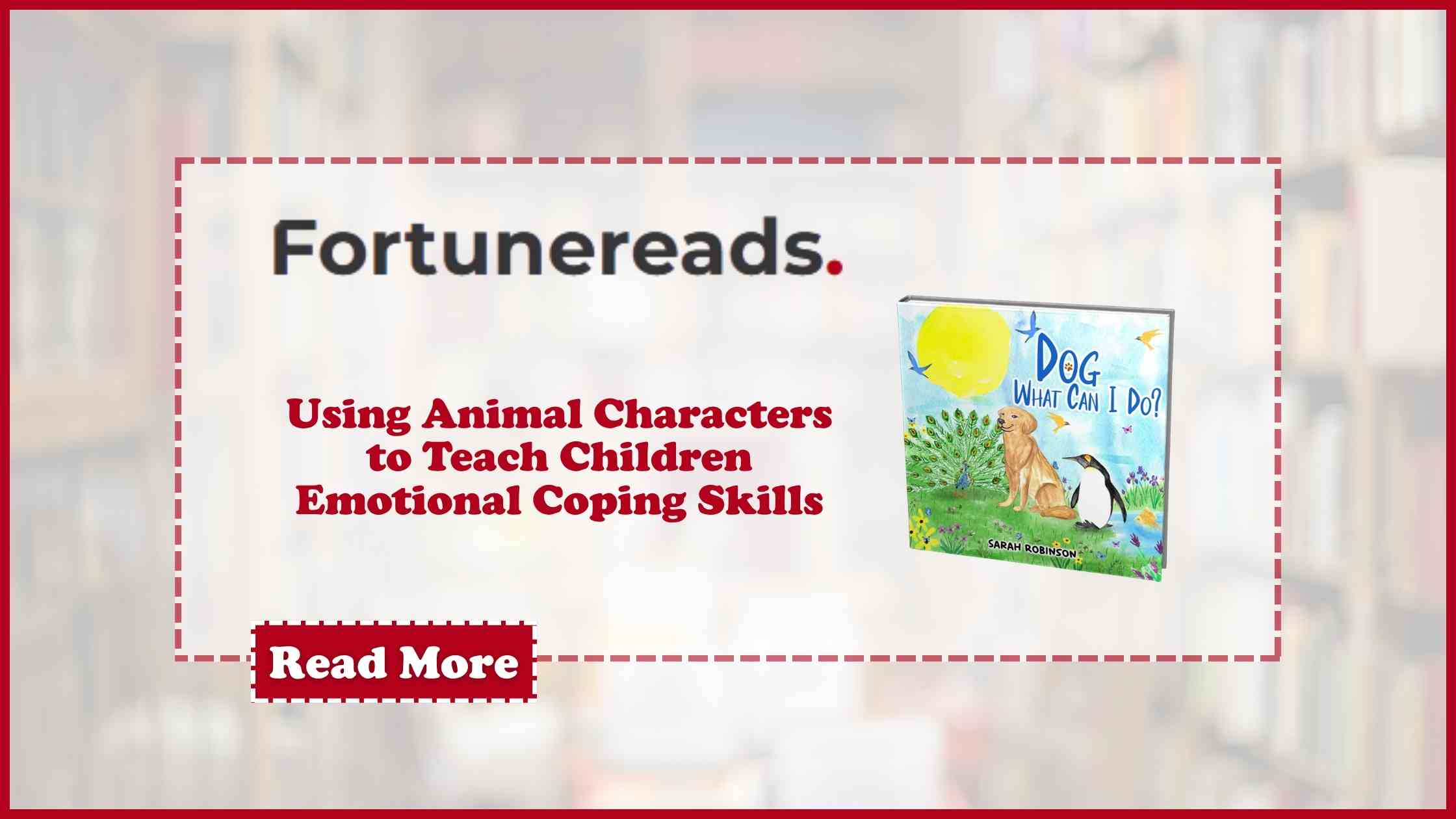
Animal characters can make those conversations feel safer, simpler and more engaging. In DOG, WHAT CAN I DO?, author Sarah Robinson uses a lively group of animals to help children explore difficult emotions and learn practical coping strategies. Instead of presenting emotional wellness as a serious lesson, the book turns it into a warm, imaginative experience young readers can enjoy and remember.
Each animal faces a challenge that children may recognize from their own lives. Dog feels overwhelmed and cannot sit still. Cat feels upset and unsure. Fish worries about too many things. Ant struggles when something feels too hard. By giving these emotions to friendly animal characters, the book creates a little distance between the child and the problem. That distance can make it easier for children to think, talk and learn without feeling judged.
The animal characters also help turn coping skills into memorable actions. Dog responds to restlessness with movement, such as jumping, wiggling, running and playing. Fish slows worried thoughts by counting bubbles or other things nearby. Cat uses deep breathing, humming, buzzing or gentle tapping to feel safer and more grounded. These playful examples show children that emotional regulation does not have to feel complicated or clinical.
Different animals also introduce different kinds of support. Ant reminds children that asking family members, friends, teachers or other trusted people for help is a sign of strength. Carrier Pigeon shows how drawing a picture or writing a letter can help when someone feels lonely or misses a loved one. Cardinal uses imagination to visit a comforting, safe place when fear appears.
The book does not avoid heavier emotions either. Crab teaches children that sadness does not always need to be pushed away. Feelings can be experienced like waves that eventually move on. Polar Bear offers cooling strategies for anger, while Penguin encourages children to take one small step at a time when they feel stuck. A final comforting exercise uses slow breathing and a favorite stuffed animal to help the body settle and rest.
These lessons are especially effective because children often connect naturally with animals. They may see themselves in a nervous peacock, a worried fish or an angry polar bear. The characters give them language for experiences they may not yet know how to describe.
Parents, teachers and counselors can use the story as a starting point for deeper conversations. After reading, they might ask which animal the child relates to most, which strategy they would like to try or what their own animal character might do during a difficult moment.
Through rhyme, illustration and compassionate storytelling, Sarah Robinson makes emotional coping skills approachable for young readers. DOG, WHAT CAN I DO? shows children that every feeling deserves attention and that there is more than one healthy way to respond.
Most importantly, the book helps children understand that they are not alone. With the right tools, support and a little help from some unforgettable animal friends, even the biggest feelings can become easier to manage.
Available now on Amazon: https://www.amazon.com/dp/B0H1T9JWN9/
Available on Ingramspark: https://shop.ingramspark.com/b/084?params=Jw36rbKLHvbMjGyuebunjM2lTGbznIb82lMTjUvxL2m