Babies may be too young to explain what has happened to them, but that does not mean they are untouched by difficult experiences.
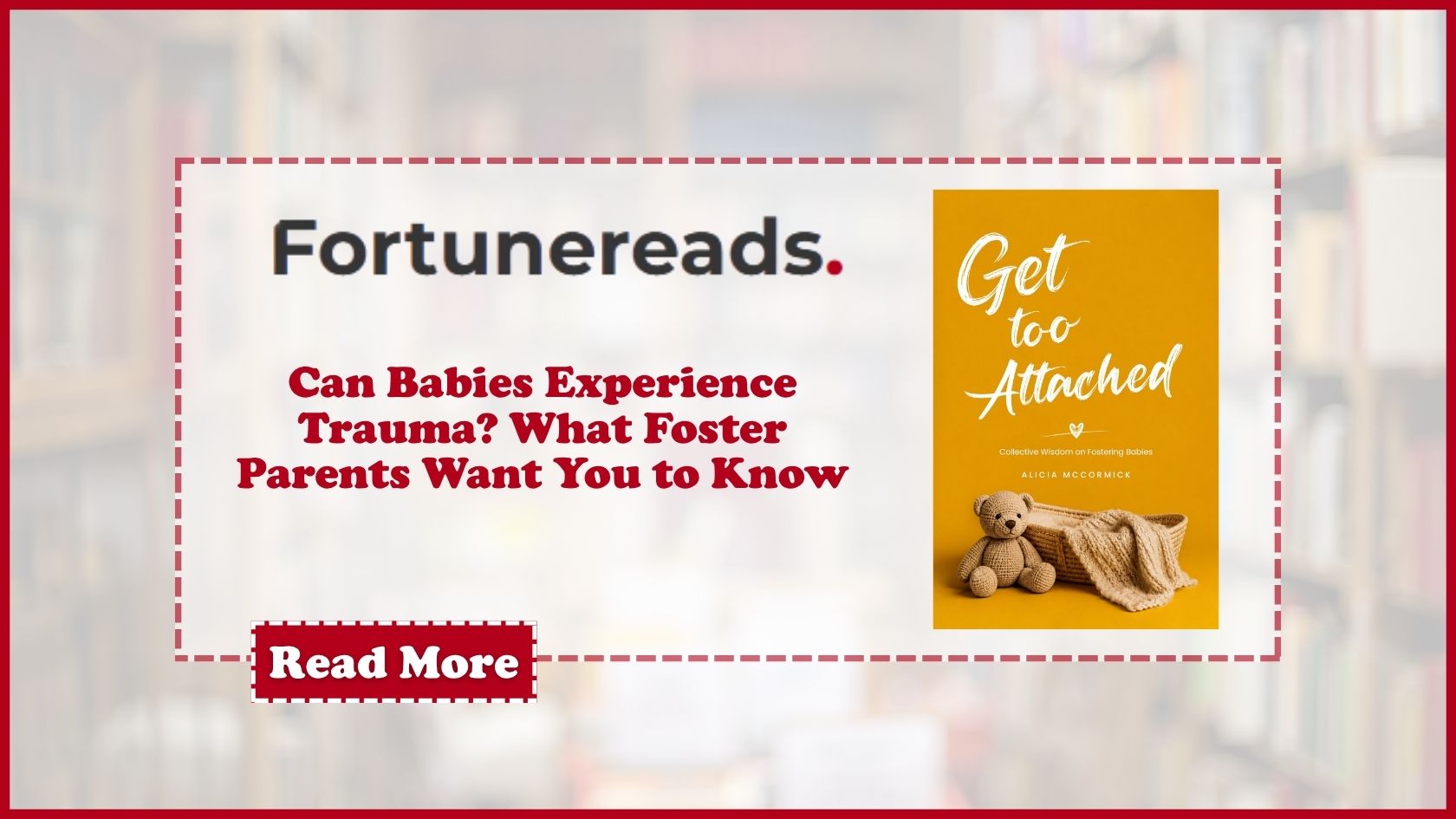
That is one of the central messages in Alicia McCormick, PhD’s forthcoming book, Get Too Attached: Collective Wisdom on Fostering Babies. Through the voices of foster parents, the book challenges a common misconception: that infants enter foster care as “blank slates” because they are too young to remember trauma.
McCormick makes the opposite case. Babies in foster care may already have experienced prenatal stress, substance exposure, medical trauma, neglect, disrupted caregiving or separation from the people, voices, smells and routines that were familiar to them. The book is designed for foster parents, prospective foster parents and anyone who wants to better understand how trauma can affect babies and how caregivers can respond.
What makes infant trauma difficult to recognize is that babies cannot tell us what they are feeling.
Instead, foster parents often learn to look for signs in behavior and body responses. In the stories collected in Get Too Attached, caregivers describe babies who struggle with sleep, feeding, regulation, attachment and sensory overwhelm. Some babies cry constantly. Others barely cry at all. Some resist being held, while others need near-constant physical closeness. The same type of early adversity can also affect different babies in very different ways.
That unpredictability is one reason trauma-informed caregiving matters.
McCormick describes using consistent, responsive care with the babies she fosters: holding them frequently, establishing routines, responding to their needs, seeking early-intervention services and helping them develop a sense that the adults around them are safe and dependable. She also emphasizes that foster parents need support themselves so they can remain regulated when a baby is dysregulated.
Her perspective comes from extensive firsthand experience. McCormick has fostered 34 babies, including medically complex and substance-exposed newborns and teaches foster-care workshops focused on caring for substance-exposed infants and developing and supporting attachment.
But Get Too Attached is not presented as one person’s story or one universal formula.
Across 30 chapters, foster parents share what they have learned, what signs of trauma they have witnessed, how they have adjusted their parenting, what they wish the public understood and what advice they would give to people considering foster care. The result is a collective portrait of a complicated reality: babies need individualized care, foster parents need education and community and love does not erase what happened before a child arrived.
It can, however, become part of what happens next.
The book also asks readers to rethink the fear of becoming “too attached.” Babies who have experienced separation and uncertainty need adults willing to offer consistency, comfort and emotional connection, even when the future is unclear.
That may be one of the most important things foster parents want others to understand: a baby does not have to remember an experience in words for that experience to matter.
Get Too Attached: Collective Wisdom on Fostering Babies by Alicia McCormick, PhD, will be available soon.