In recent years, the intersection of science and the arts has given rise to groundbreaking innovations and new ways of thinking. Cross-disciplinary collaborations, where experts from diverse fields come together, have shown that blending science with the arts can lead to powerful outcomes. This article explores the benefits, challenges, and examples of these collaborations, highlighting their potential to enrich both scientific and artistic endeavors.
The Power of Collaboration
Science and the arts, though often seen as distinct realms, share a common goal: to explore, understand, and express the complexities of the world. When scientists and artists collaborate, they bring together different perspectives, methodologies, and creative processes. This synergy can lead to new discoveries, innovative solutions, and unique forms of expression that might not emerge within the confines of a single discipline. For instance, artists can use scientific data to create visualizations that make complex concepts more accessible to the public, while scientists can gain new insights by approaching their research through an artistic lens.
Challenges in Cross-Disciplinary Work
While the benefits of cross-disciplinary collaborations are significant, they are not without challenges. One of the primary obstacles is the difference in language and communication styles between scientists and artists. Scientific language is often precise and technical, while artistic expression tends to be more abstract and interpretative. Bridging this gap requires patience, openness, and a willingness to learn from one another. Additionally, securing funding for cross-disciplinary projects can be difficult, as they may not fit neatly into traditional funding categories. Overcoming these challenges requires strong leadership, clear communication, and a shared vision.
Inspiring Examples of Collaboration
There are numerous examples of successful collaborations between science and the arts. One notable example is the “Art + Science” initiative, where artists and scientists work together to create public installations that explore scientific concepts. Another example is the use of artistic techniques in medical imaging, where artists collaborate with radiologists to create more accurate and informative visual representations of the human body. These collaborations not only advance scientific understanding but also engage the public in meaningful ways, making science more accessible and relatable.
The Future of Cross-Disciplinary Collaborations
As we move into the future, the importance of cross-disciplinary collaborations will likely continue to grow. The complex challenges facing society today, from climate change to public health, require innovative solutions that draw on multiple disciplines. By fostering collaborations between science and the arts, we can harness the full potential of human creativity and ingenuity to address these challenges.
Conclusion
Cross-disciplinary collaborations between science and the arts offer exciting opportunities for innovation, discovery, and public engagement. Despite the challenges, these partnerships have the potential to transform both fields, leading to new ways of thinking and solving problems. As we continue to explore the intersection of science and the arts, we can look forward to a future where collaboration fuels creativity and drives progress.
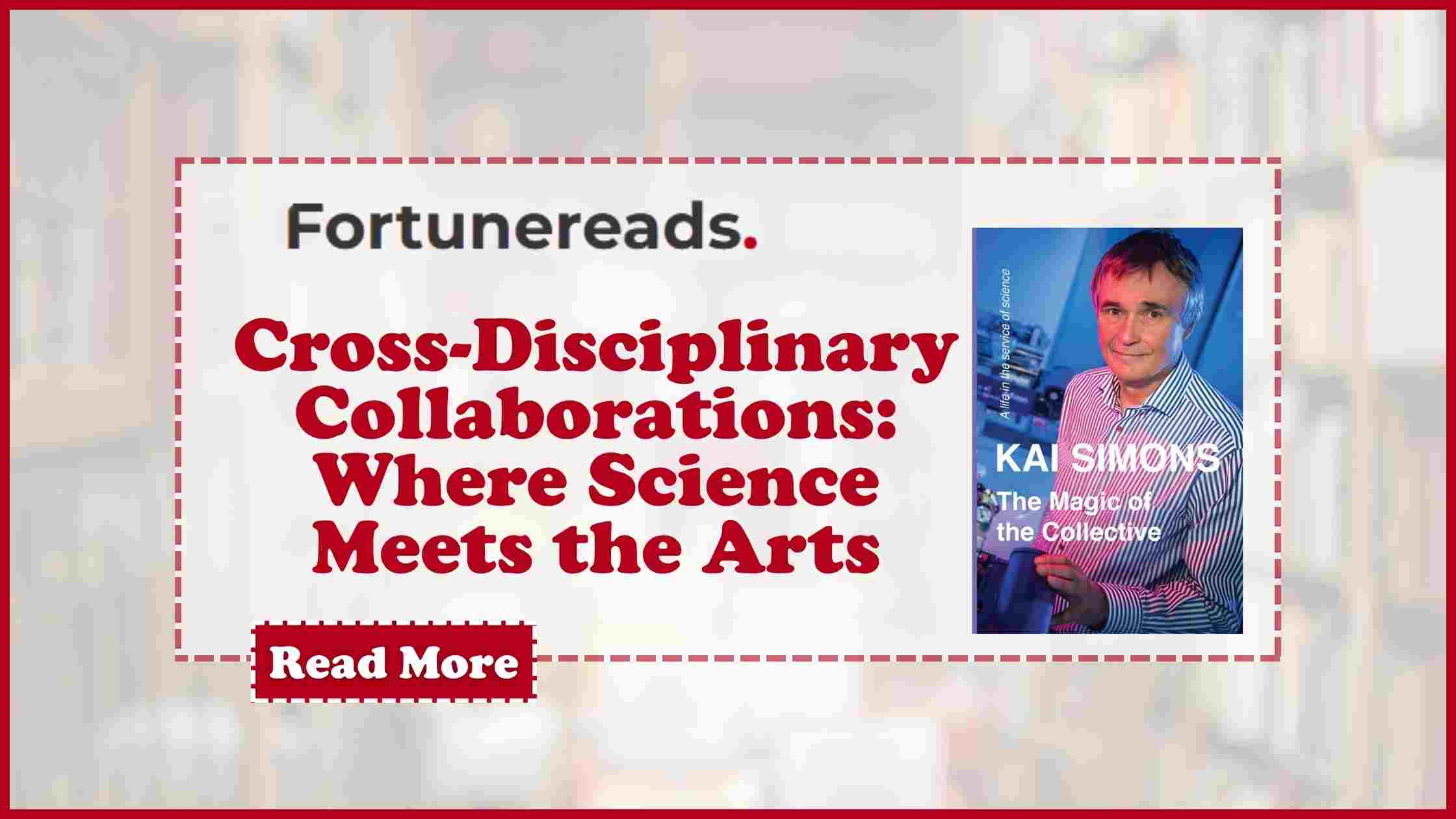
Discover the fascinating intersection of science and the arts with Kai Simons’s The Magic of the Collective: A Life in the Service of Science. This memoir delves into the power of cross-disciplinary collaborations, where scientific inquiry meets artistic creativity. Simons reflects on his journey and explores how these collaborations have led to groundbreaking innovations and new ways of thinking. Whether you’re a scientist, artist, or simply curious about the interplay between these fields, this book offers inspiring insights. Embrace the magic of collaboration—get your copy today from here: www.amazon.com/dp/1917007027 and see where science meets the arts!