We all carry pieces of childhood within us. Some are warm and comforting — the smell of cookies baking, a parent’s proud smile, or the safety of a bedtime routine. Others, however, are far more difficult: the sting of rejection, the ache of loneliness, or the confusion of growing up in a household where love felt uncertain. These painful experiences often shape us in ways we don’t fully understand until much later in life.
But what if those old wounds could become the very source of our strength? What if the pain we once carried was not a life sentence, but a pathway to purpose?
Pain is an unavoidable part of being human. As children, we don’t have the tools to process it, so it often gets buried deep within us. Those unhealed wounds can resurface in adulthood as anxiety, strained relationships, or self-doubt. Yet hidden inside every hurt is an invitation: to face what was once too overwhelming, and to transform it into resilience, compassion, and wisdom.
Think of the people you admire most. Chances are, many of them have endured hardship. Survivors of loss often become the most empathetic listeners. Those who grew up feeling voiceless may grow into powerful advocates for others. What once broke them became the very thing that gave their lives meaning.
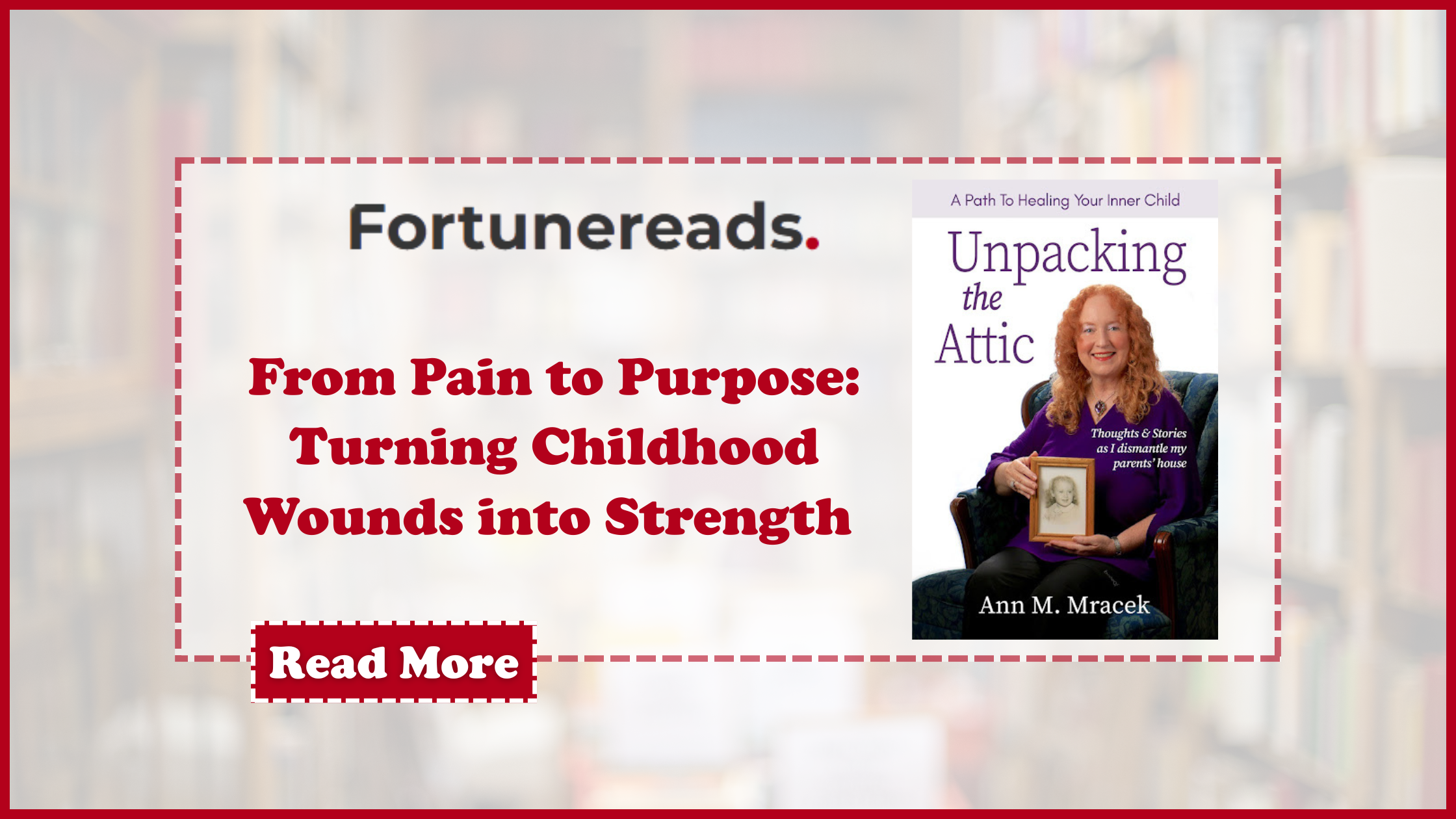
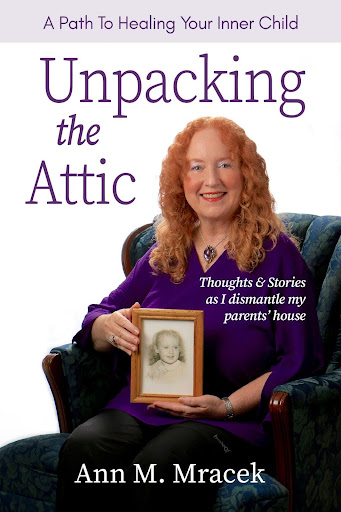
In Unpacking the Attic by Ann M. Mracek, the author shares how painful memories resurfaced while clearing out her parents’ home. Instead of avoiding them, she chose to face them with courage and compassion. A broken toy, an old photograph, even a childhood pet — each memory carried pain but also pointed her toward healing. By comforting the child she once was, she transformed old wounds into new sources of strength. Her story is a reminder that pain doesn’t have to define us; it can refine us.
So how do we make this shift from pain to purpose? It begins with acknowledgment. Rather than running from difficult memories, sit with them gently. Write them down, talk them through, or simply place your hand over your heart and tell your younger self, I see you. You are not alone. From there, ask: What did this experience teach me? How has it shaped the person I’ve become?
You may find that pain has already been teaching you — to be patient, to be strong, to love more deeply. The process isn’t about erasing the past but reclaiming it as part of your story.
Turning wounds into purpose doesn’t happen overnight. It’s a gradual process of finding meaning in what once felt meaningless. But when we embrace it, our lives expand. We no longer see ourselves as victims of circumstance, but as survivors, teachers, and healers.
Your childhood wounds don’t have to remain scars that weigh you down. With compassion and reflection, they can become the foundation of your greatest strength — and the light that helps guide others out of their own darkness.