Some of the most powerful children’s stories begin with real memories. Lourdes Fasani’s Luli books are a strong example of how personal childhood experiences can be transformed into stories that help young readers understand change, culture, family and belonging.
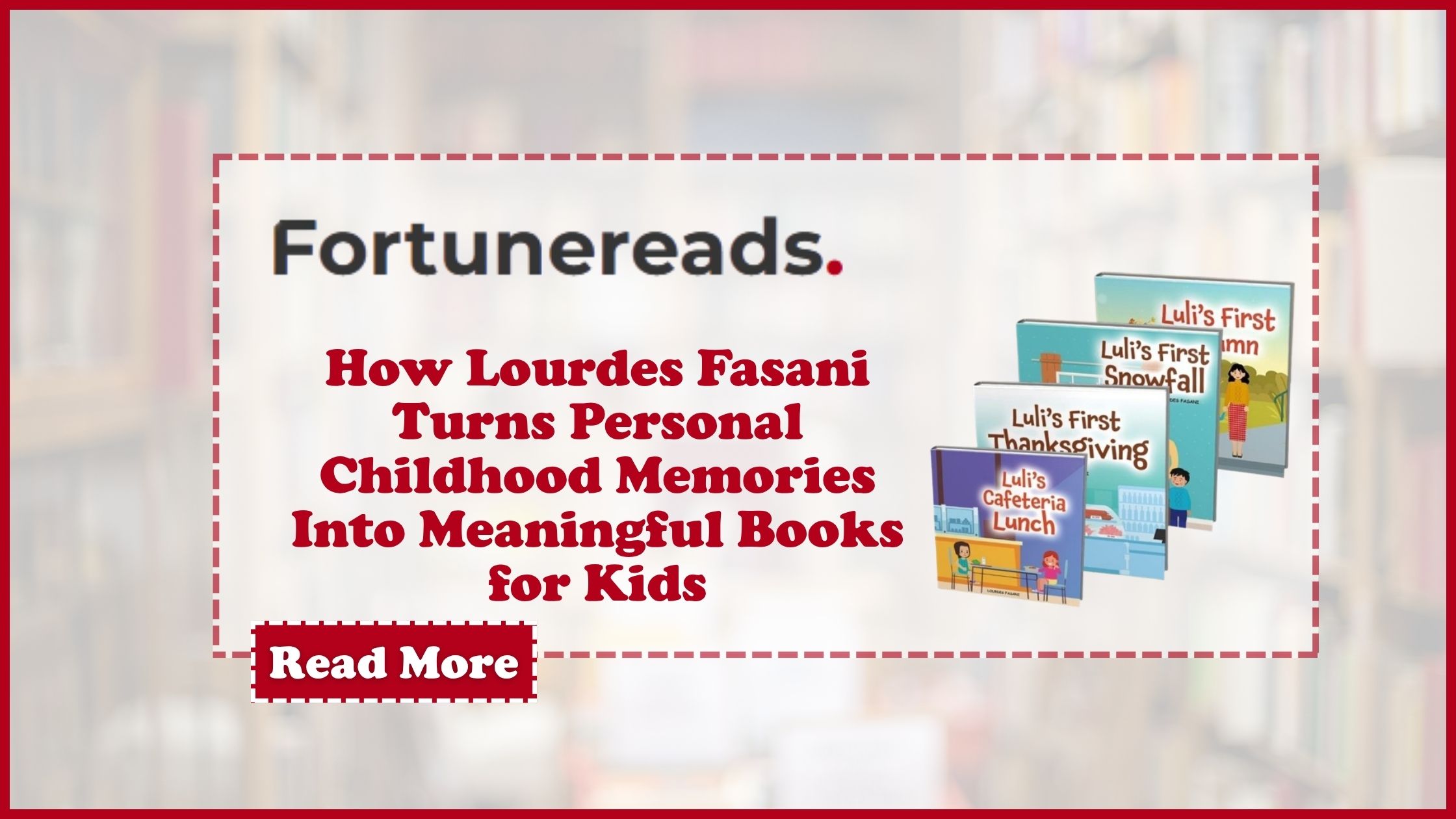
Across Luli’s First Autumn, Luli’s First Thanksgiving, Luli’s Cafeteria Lunch, Luli’s Sad Farewell and Luli’s First Snowfall, Fasani follows an eight-year-old Cuban girl adjusting to life in the United States. The stories are rooted in the author’s own background. Fasani was born in Marianao, Cuba and arrived in the United States as a third-grade student after the Cuban Revolution. She was the only non-English speaker in her classroom in Hinsdale, Illinois and later became a bilingual teacher for English learners in the Los Angeles Unified School District.
That personal connection gives the books an emotional honesty that young readers can understand.
In Luli’s Sad Farewell, Fasani explores the pain of leaving behind a familiar world. Luli departs Cuba with her mother and younger brother, saying goodbye to relatives, treasured memories and the life she knew. One especially emotional moment occurs at the airport when Luli is told she cannot take her favorite doll with her. Her mother is also forced to leave family photographs behind. The sadness is eventually balanced by hope when Luli arrives in Chicago and is finally reunited with her father after more than two years apart.
The later books show that immigration is not only about crossing borders. It is also about learning how to live within a new culture.
In Luli’s Cafeteria Lunch, an ordinary school meal becomes a memorable challenge. Luli has never eaten in a cafeteria and is surprised by cold milk and broccoli. Her mother helps by sending cocoa for the milk and garlic powder for the broccoli, giving Luli a bridge between what feels familiar and what is new. Eventually, Luli enjoys lunch with her classmates and even begins imagining a time when she may eat the food without adding anything at all.
Luli’s First Autumn transforms another personal “first” into a lesson about curiosity. Luli is amazed by colorful autumn leaves because Cuba’s seasons were different from those she encounters in Illinois. She also experiences Halloween for the first time, learning about pumpkins, costumes and a school parade.
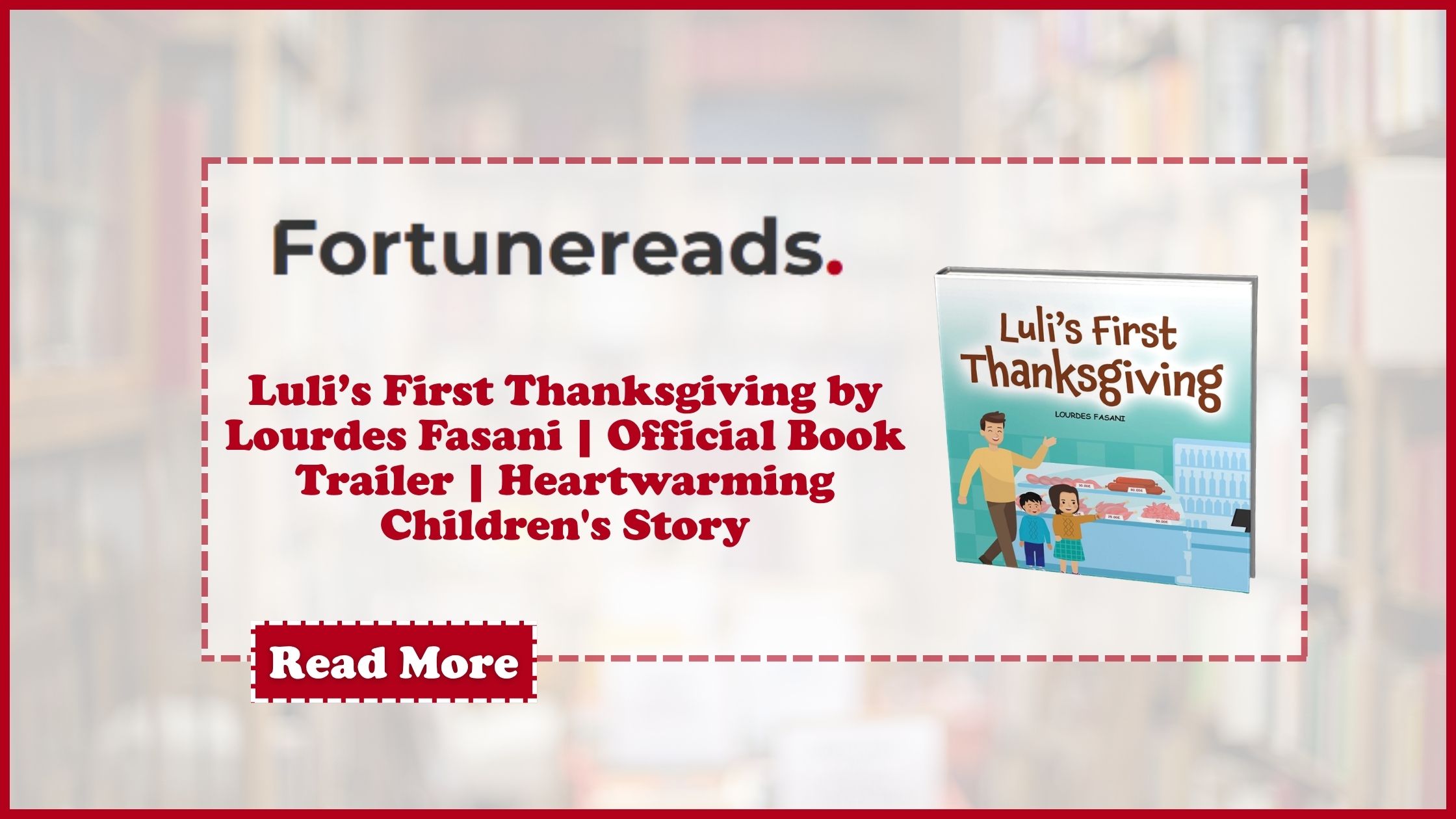
In Luli’s First Thanksgiving, Fasani uses food and family to show how cultures can come together. Luli’s family celebrates with American neighbors, sharing turkey and pumpkin pie alongside Cuban dishes such as pork roast, congrí, yuca, plantains and flan.
Then Luli’s First Snowfall captures the wonder of seeing snow for the first time. Luli looks outside and thinks the yard has been covered in sugar. The story blends snowy American Christmas experiences with memories of Cuban food, family traditions and the comfort of home.
Through these books, Lourdes Fasani turns personal memories into stories about resilience, cultural identity, curiosity and family love. For young readers, Luli’s experiences can make immigration feel more understandable and human. For parents and educators, the books offer meaningful opportunities to discuss how children adapt to change while continuing to value where they came from.
In Luli’s world, every first becomes more than a new experience. It becomes another step toward feeling at home.
Read the book on Amazon: https://www.amazon.com/stores/author/B0FVGJBMBR/allbooks