Children learn how to say sorry by watching us. Long before they can fully understand the meaning of honesty or forgiveness, they are already observing the adults around them. Every sigh, every word, and every response teaches them what it means to admit mistakes and repair harm. When parents show children how to apologise with sincerity, they are not just teaching a polite phrase. They are teaching a life skill that builds trust, empathy, and stronger relationships.
It is easy to tell a child to say sorry after a disagreement or a mistake. But the deeper lesson lies in showing them what a genuine apology looks like. A sincere apology is not rushed, forced, or slurred. It is thoughtful, acknowledges the harm caused, and accepts responsibility. Parents who take the time to model this kind of behaviour help children understand that saying sorry is more than formality. It is about repairing connections.
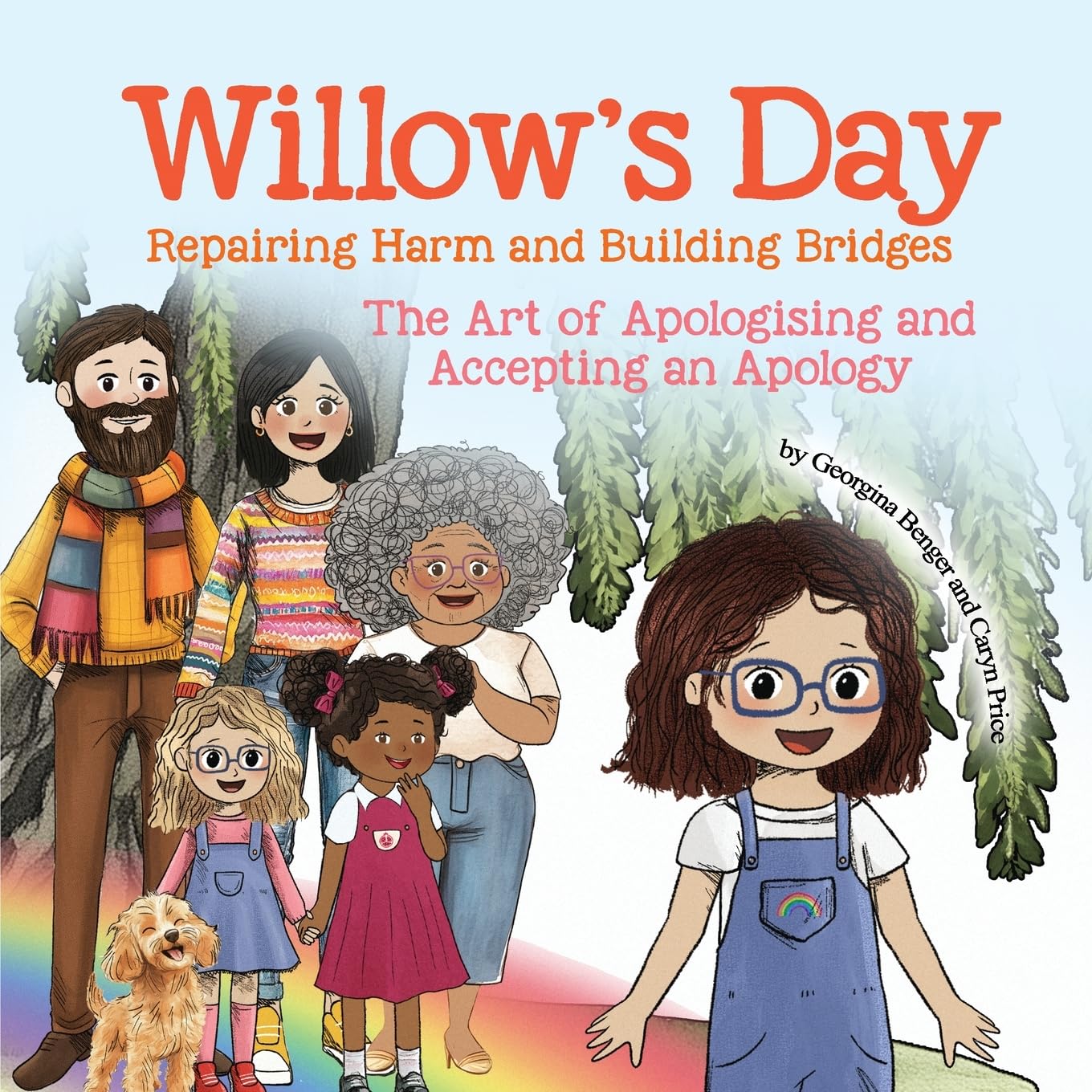
The children’s book Willow’s Day Repairing Harm & Building Bridges: The Art of Apologising and Accepting an Apology by Georgina Benger and Caryn Price offers a clear example through the character of Mr Beech, a teacher who handles conflicts with calmness and care. When Willow and her classmate Dido clash over a broken model, Mr Beech does not react with anger or punishment. Instead, he creates a safe space, encourages both girls to express their feelings, and gently guides them toward repairing their friendship. His steady approach demonstrates to the children that apologies are not about blame, but about restoring understanding.
Parents can follow this example in their own homes. For instance, if a parent raises their voice in frustration, they can come back to their child and say, “I am sorry I shouted. I was upset, but it was not fair to take it out on you.” This simple act shows children that adults make mistakes too, and that owning up to those mistakes does not weaken relationships but strengthens them. Another example might be apologising for being late to pick a child up from school. A parent might say, “I am sorry I was late. I know you felt worried waiting for me. I will try harder to be on time.” Such honesty models accountability and shows respect for the child’s feelings.
When parents practise these small but meaningful apologies, they normalise imperfection and repair. Children see that mistakes are part of life, but honesty and reflection can heal hurt feelings. It not only teaches them how to say sorry but also how to accept apologies from others with grace.
At the heart of family life, sincere apologies create an atmosphere of trust. When children see apologies handled openly and respectfully, they learn that telling the truth, even when difficult, is always better than hiding mistakes. Over time, this modelling turns into a cycle where children not only say sorry more freely but also understand the value behind it.
Stories like Willow’s Day provide a gentle and engaging way for parents to begin these conversations. By combining storytelling with real-life examples, families can build a culture of honesty, repair, and connection, one sincere apology at a time.
If you want to know more about Willow, grab your copies from Amazon: https://www.amazon.com/dp/B0FMH45ZT3.