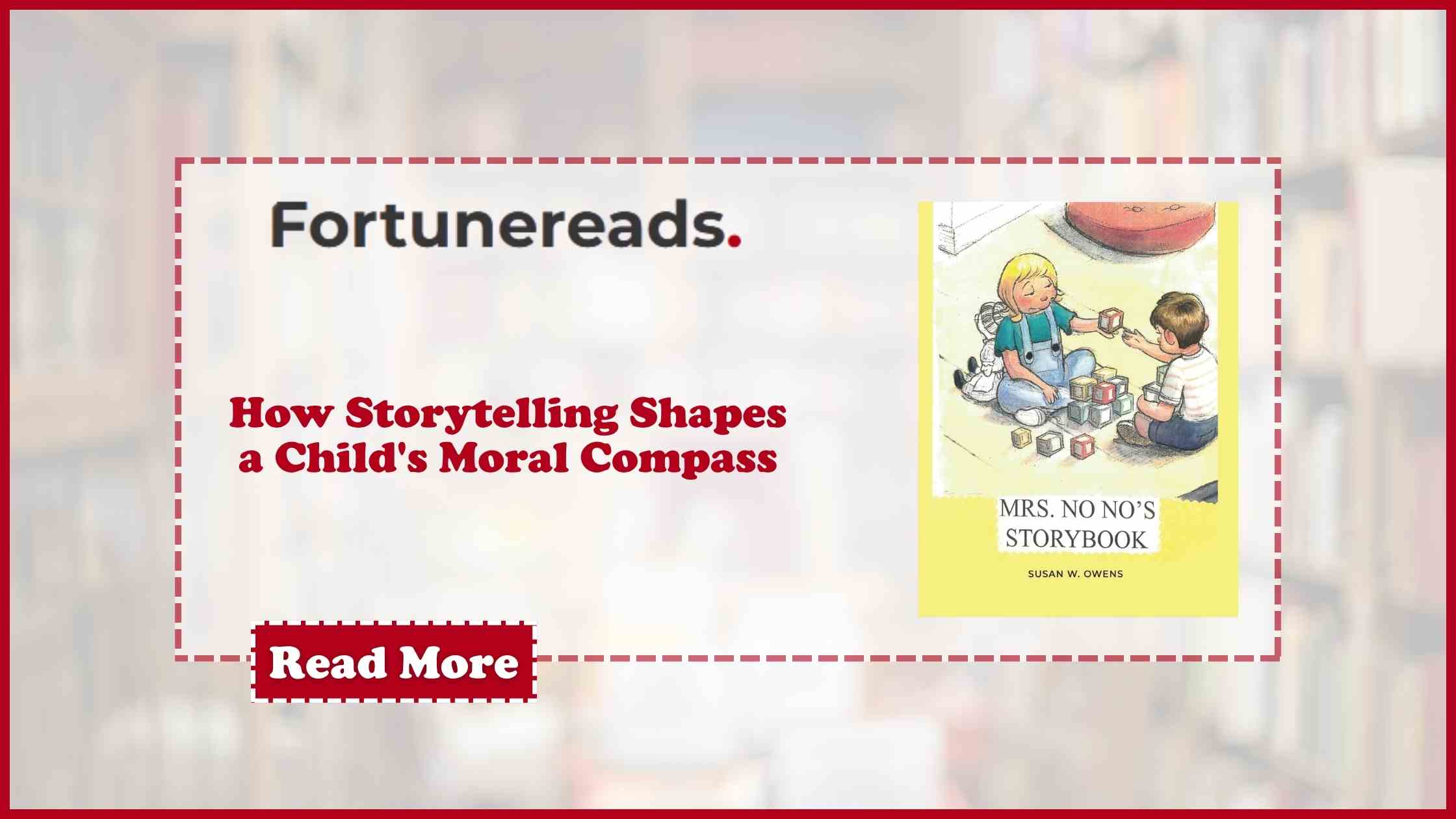
Children learn best when lessons feel like stories rather than lectures. A gentle character, a familiar problem, and a clear choice can stay in a child’s mind far longer than a rule repeated again and again. This is where Mrs. No No’s Storybook by Susan W. Owens becomes such a meaningful book for parents, teachers, and young readers.
The story follows Katy, a five year old girl who receives a special doll from her grandmother. This doll, Mrs. No No, becomes a quiet guide in Katy’s day. When Katy faces small but important choices, such as brushing her teeth, being kind to her brother, sharing with a classmate, resting when she is tired, and showing respect at dinner, Mrs. No No helps her pause and choose better.
What makes the book effective is its simplicity. The lessons are not heavy. They are woven into everyday moments children understand. A child may not fully grasp abstract ideas like integrity or responsibility at once, but they can understand being gentle with a younger sibling, helping someone at school, saying please and thank you, or doing a task properly.
The book also shows that moral growth is not about fear. It is about guidance, encouragement, and repetition. Katy begins to feel proud of herself because she learns that making good choices brings warmth, confidence, and connection. That message is powerful for young children who are still learning how their actions affect others.
For teachers, Mrs. No No’s Storybook offers more than a classroom read aloud. It gives a practical way to introduce character building through story, rhythm, and visual reminders. The book’s focus on respect, cooperation, honesty, diligence, manners, responsibility, and self esteem makes it useful for early childhood classrooms where behaviour, kindness, and confidence are built day by day.
For parents, the book opens the door to meaningful conversations at home. After reading, a parent can ask, “What would Mrs. No No say?” That simple question can help a child think before acting without feeling scolded.
Susan W. Owens has created a story that speaks to the heart of early childhood learning. Mrs. No No’s Storybook is not only about a doll. It is about helping children build an inner voice that reminds them to be kind, respectful, responsible, and proud of doing the right thing.
Explore this book now, available on Amazon: https://www.amazon.com/dp/B0FPPJX6DR.