Some animals enter our lives quietly. They curl beside us on an ordinary afternoon, wait by the door when we return home or rest their head against us when words are not enough. Over time, their presence becomes part of the rhythm of our days. Then, when they are gone, the silence they leave behind can feel impossible to fill.
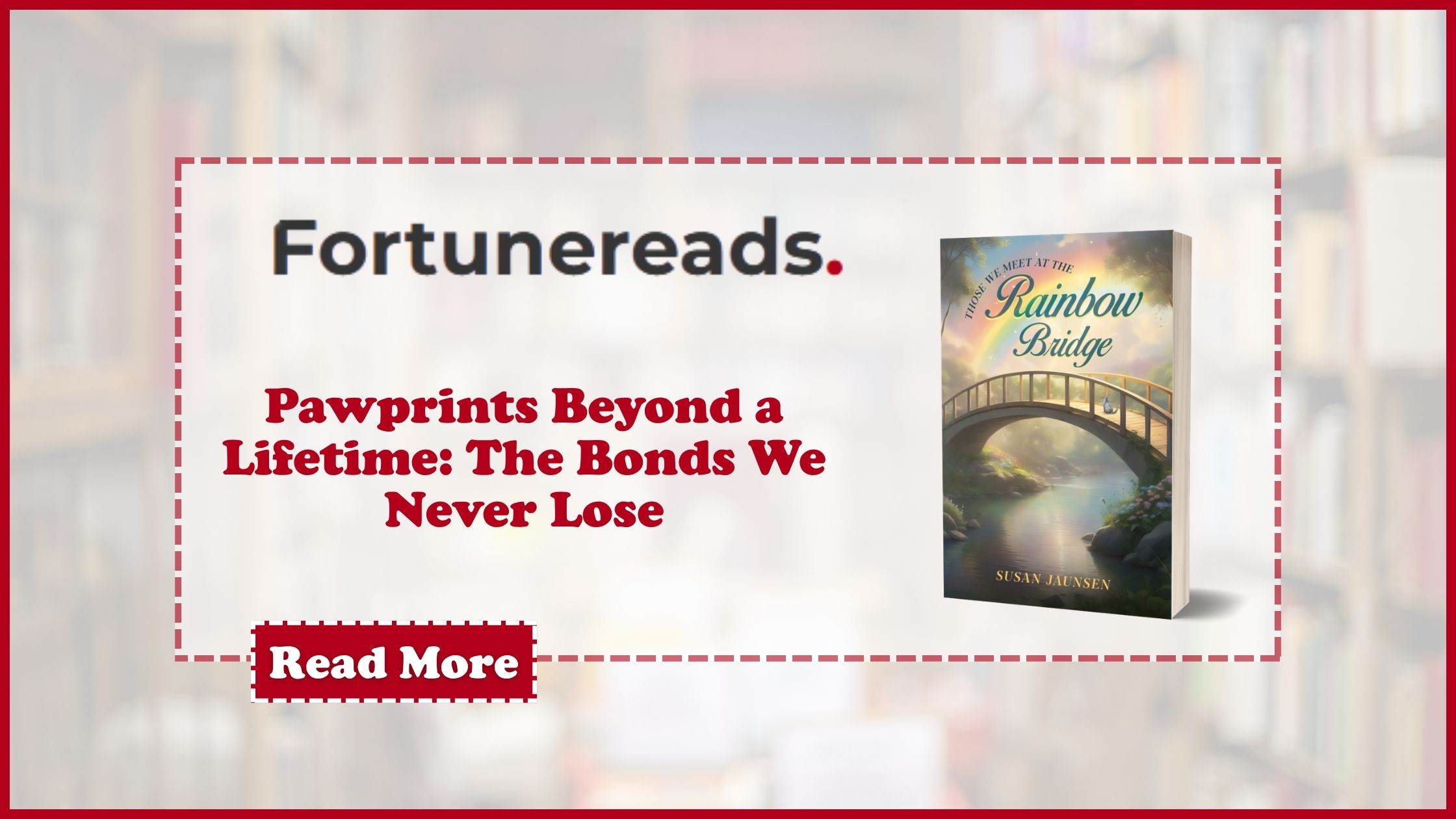
In Those We Meet at the Rainbow Bridge, author Susan Jaunsen explores the belief that the bond between humans and animals does not end with death. Through memories of beloved pets, rescue experiences, spiritual reflection and imagined reunions, she presents love as something stronger than physical separation.
The book introduces readers to many animals whose lives crossed the author’s path. Beatrice and Bonnie, two Netherland Dwarf rabbits, are rescued after being left outside in a glass enclosure during heavy rain. Their story becomes a lesson in compassion and the importance of taking action when a vulnerable life is in danger.
Readers also meet Siam, Smokey, Mischief, Little Boy, Chloe, Shadow, Oliver and other feral or abandoned cats. Some need food and shelter. Others require veterinary care, safe relocation or simply the patience of someone willing to earn their trust. Their stories show that rescue is not always a single heroic moment. Often, it is a series of quiet choices: filling a bowl, setting a humane trap, arranging treatment or refusing to ignore suffering.
Clarence, a neglected cockatoo, brings another emotional dimension to the book. Confined in darkness and deprived of companionship, he represents animals whose needs are misunderstood or dismissed. Jaunsen imagines a more hopeful future for him, one filled with light, healing, friendship and the freedom to become whole again.
Yet the deepest emotional thread belongs to Willow, the author’s beloved grey-and-white cat. Willow was not merely a pet. He was her constant companion, her comfort during pain and the animal she describes as her best friend and soul companion. He followed her from room to room, rested beside her, greeted her at the door and seemed to understand when she needed reassurance.
When Willow dies, the loss is devastating. Still, his influence does not disappear. During the author’s experience at the Rainbow Bridge, she is reunited with many animals she once knew. Their personalities remain vivid, their affection unchanged. But Willow is missing and the question “Where is Willow?” becomes one of the book’s most powerful turning points.
The answer suggests that love may continue in ways we cannot fully explain. Some connections, the book proposes, remain close until the right moment of release. Letting go does not mean forgetting. It means trusting that the bond has changed, not vanished.
Those We Meet at the Rainbow Bridge speaks to anyone who has ever looked at an empty bed, untouched toy or quiet doorway and felt the presence of someone deeply missed. It reminds us that animals leave more than memories. They shape our habits, awaken our compassion and teach us how to love without conditions.
Their lives may be shorter than ours, but the pawprints they leave can stretch far beyond a lifetime.