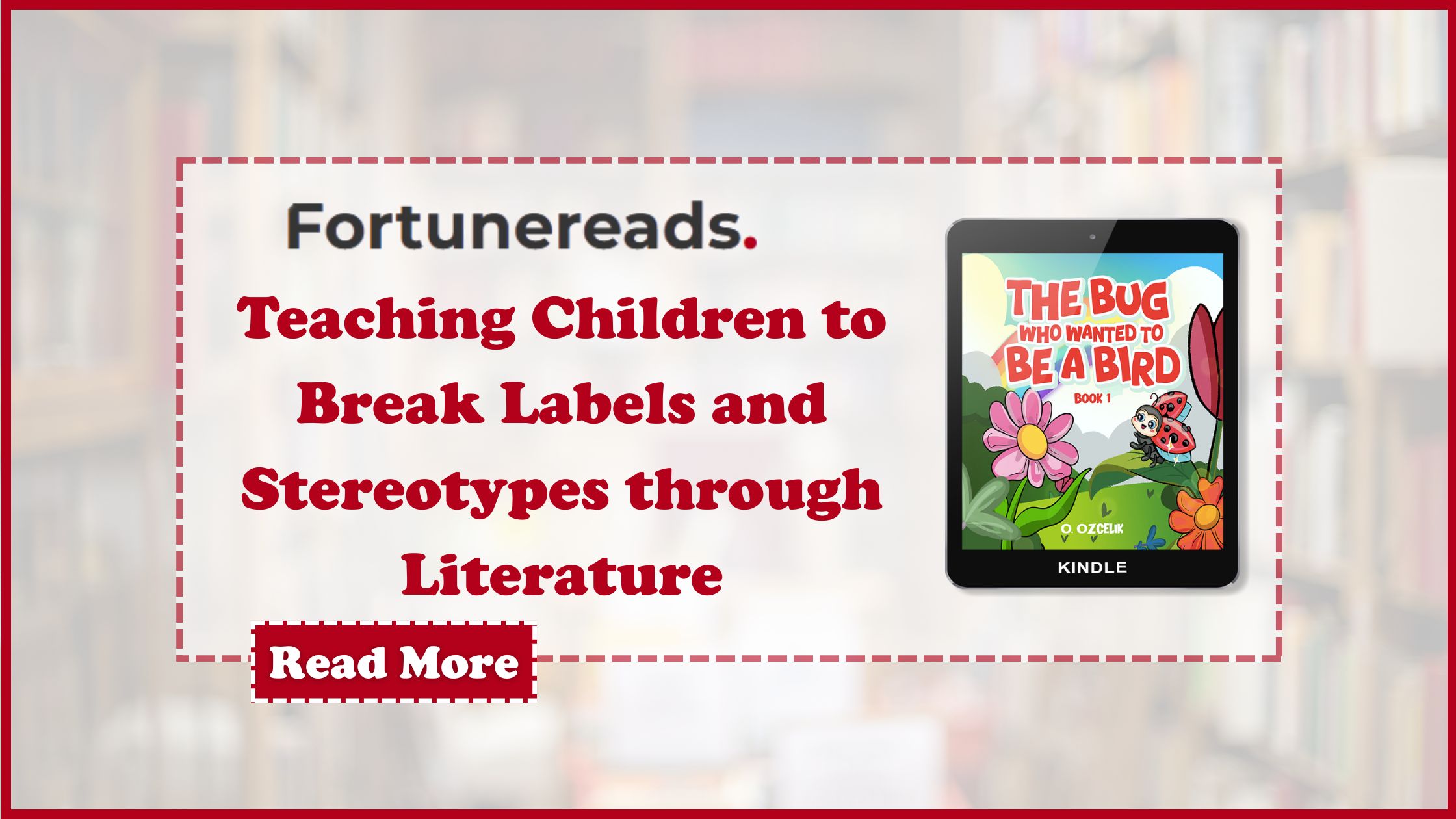
Children begin forming ideas about themselves and others from a very young age. These ideas often come from what they hear, what they see, and the stories they are told. That is why children’s literature plays such a crucial role in shaping how children understand identity, belonging, and individuality. When stories challenge stereotypes and show characters stepping beyond labels, they allow children to do the same. One meaningful example is The Bug Who Wanted to Be a Bird by O. Ozcelik, a simple and uplifting story that helps children question labels and explore who they aspire to be.
Labels can appear harmless on the surface, yet they often place limits on how children see themselves. Many children acquire labels from peers or adults without fully understanding their meanings. In the story, Dotty the ladybug frequently encounters this challenge. She is called ladybug, ladybird, bug lady, and even flying raisin. These names confuse her and make her wonder what she is supposed to be. Her reaction reflects a familiar struggle from her childhood. When children are given labels they did not choose, they may start to believe those labels define them.
Dotty’s decision to reject these limiting names is a valuable example for young readers. Instead of allowing others to decide who she is, Dotty chooses to call herself something that feels true to her. She picks the name “Dotty the Whatever I Feel Like Today,” a simple yet powerful declaration that identity does not have to fit a single category. This moment in the story can spark meaningful conversations about individuality and self-expression. Parents and teachers can ask children how Dotty might have felt when others labeled her or why choosing her own name helped her feel more confident.
Literature offers a safe and gentle way to explore topics that may feel heavy or confusing in everyday life. When children watch a character challenge stereotypes, it becomes easier for them to question their own limiting beliefs. Dotty’s journey encourages readers to see labels as something they can ask rather than accept. Her story can be used to discuss situations where children may feel confined, such as being told they must behave in a certain way due to their age, appearance, or abilities.
Stories that challenge stereotypes also help children develop a deeper understanding of others with more empathy. When young readers see Dotty struggling with labels, they begin to recognize how their words may affect their peers. It creates opportunities to talk about kindness, respect, and the importance of allowing others to define themselves. Teachers can use this book during group discussions to help children reflect on why everyone deserves the freedom to be themselves without pressure.
Breaking labels is not about ignoring differences; it’s about embracing them. It is also about allowing children to grow beyond simple categories and develop a strong, flexible sense of self. Books like The Bug Who Wanted to Be a Bird remind them that identity is personal, evolving, and worthy of exploration. For adults who want to guide children toward confidence and individuality, this story is a helpful starting point.
Consider reading The Bug Who Wanted to Be a Bird by O. Ozcelik to spark meaningful conversations about labels and self-acceptance.
Available on Amazon : https://www.amazon.com/dp/B0GCX4R2F1/