The Amazon rainforest is often described as one of the richest ecosystems on Earth, but its value extends far beyond its extraordinary wildlife and plant life. For generations, Indigenous communities have developed a deep understanding of the plants around them and the ways those plants can be used to support health and treat illness.
This knowledge was not learned in laboratories. It was built through observation, experience, memory, and careful transmission from one generation to the next. A plant might be used for fever, wounds, digestive problems, pain, skin conditions, or other illnesses. The preparation could involve leaves, bark, roots, seeds, or sap, depending on the purpose and the traditions of the community.
What makes this knowledge especially important is the relationship between people and the forest itself. Medicinal plants are not viewed only as materials to be collected. They belong to a wider understanding of life in which health, territory, food, family, spirituality, and nature are closely connected.
For many Indigenous healers, knowing which plant to use is only one part of the process. They may also consider how the plant is gathered, when it should be prepared, how it should be administered, and what other practices should accompany its use. This creates a form of medicine shaped by both practical experience and cultural understanding.
Some of the world’s important medicines have roots in plants first known and used by Indigenous peoples. Yet many traditional practices remain poorly documented, while the communities that preserve them continue to face pressure from deforestation, migration, cultural change, and the loss of ancestral territories.
When an elder dies without passing on what they know, the loss cannot always be recovered. A name, preparation method, combination of plants, or understanding of a particular illness may disappear with that person. Protecting the rainforest therefore also means protecting the people whose knowledge has been tied to it for generations.
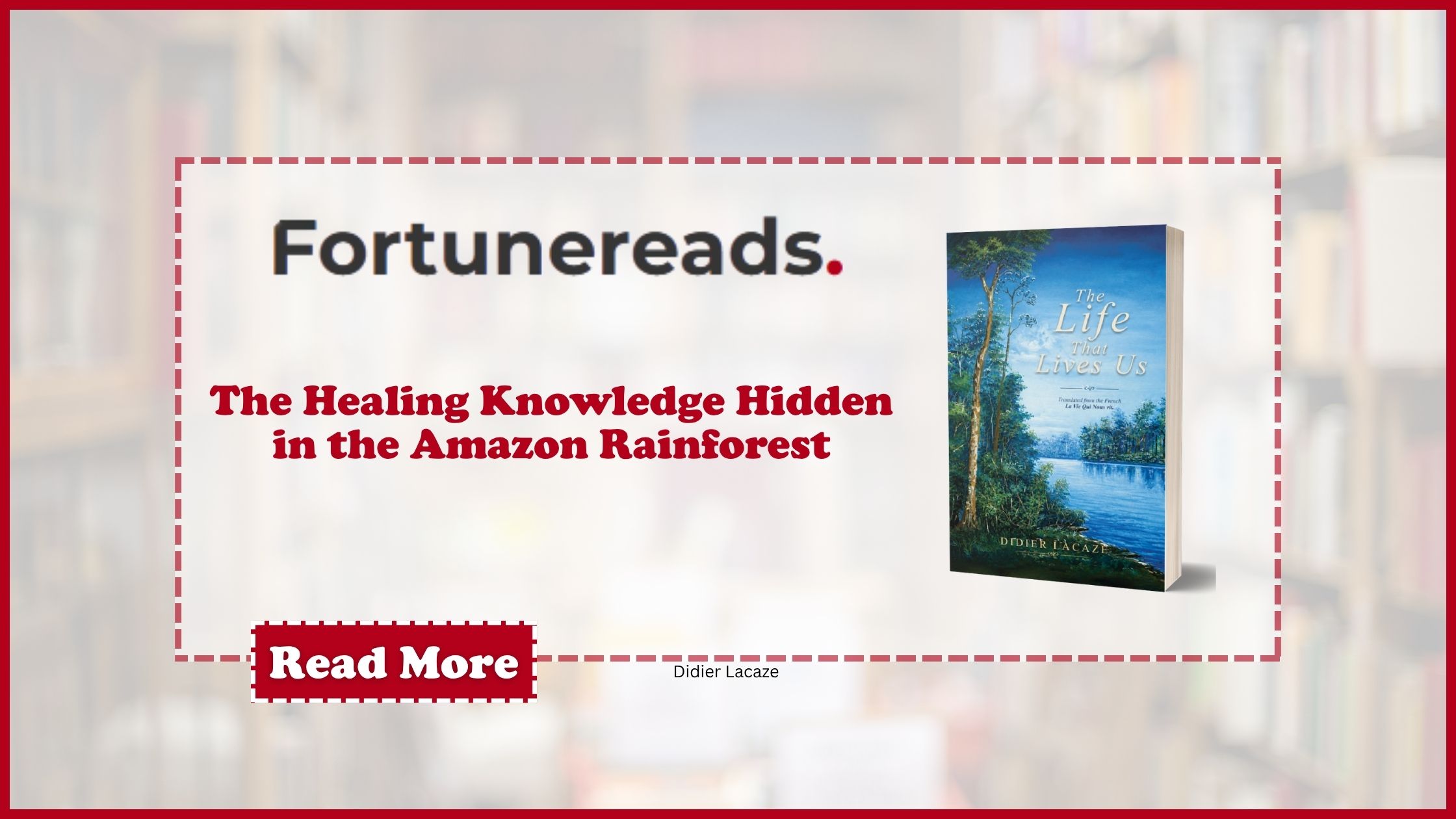
Didier Lacaze has spent decades working with Indigenous peoples in the Amazon and learning about their traditional health systems, medicinal plants, and ways of understanding illness. His experiences form an important part of The Life That Lives Us.
Through personal encounters, journeys, friendships, and years of work in Indigenous communities, the book takes readers into a world where medicine is closely connected to culture, nature, memory, and human relationships.
The Life That Lives Us offers readers more than a journey through the Amazon. It opens a window onto knowledge that has survived for generations and raises an important question: how much might humanity lose if the people who understand the forest are no longer able to pass that knowledge on?