Silence can be more dangerous than noise. Inside county jails, silence often settles in after incidents that should demand answers. A medical emergency. A suicide attempt. A complaint about unsafe conditions. When questions are not asked, and records stay closed, the system moves on while real harm remains buried. The cost of that silence is paid by the people with the least power to speak.
County jails operate under intense pressure. They are crowded, underfunded, and expected to manage mental illness, addiction, and violence at the same time. When something goes wrong, the first instinct is often to limit exposure. Reports are delayed. Information is shared only on a need to know basis. Staff are advised not to discuss details of the matter. This kind of bureaucratic stonewalling is not always driven by cruelty. Often, it is driven by fear of blame, lawsuits, or public scrutiny. Still, the result is the same. Silence protects the system rather than the people inside it.
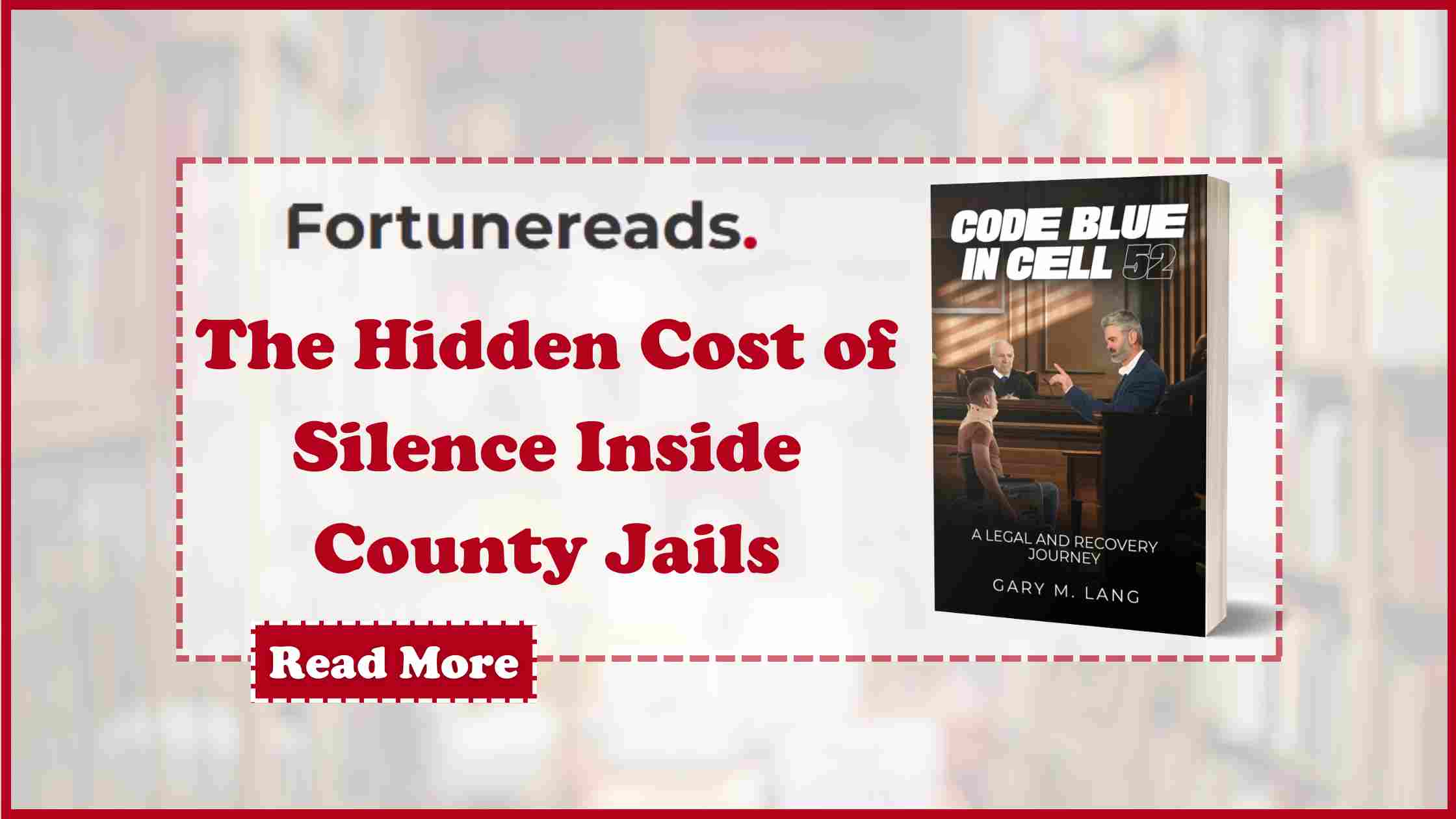
This pattern is clearly reflected in Code Blue in Cell 52: A Legal and Recovery Journey by Gary M. Lang. The story centres on the aftermath of a young man’s suicide attempt in a county jail. Although he survives, officials close ranks quickly. Questions about supervision, mental health screening, and response time are met with vague answers or outright refusal. What should be a search for truth becomes an exercise in damage control.
Examples like this are not limited to fiction; they also occur in real life. Across the country, families of incarcerated people often struggle to obtain basic information after a serious incident. They are told an investigation is ongoing. They are advised to wait. Weeks turn into months, and meaningful answers never arrive. Meanwhile, patterns repeat. Similar incidents occur under similar conditions, with no visible changes made.
Silence also affects staff members who want to speak up. Correctional officers, nurses, and counsellors may notice unsafe practices or ignored warning signs. Reporting these concerns can carry personal risk. Fear of retaliation, isolation, or job loss discourages many from coming forward. Over time, silence becomes part of the culture, not because everyone agrees, but because speaking feels pointless or dangerous.
What breaks this silence is often the presence of outsiders. In Code Blue in Cell 52, truth begins to surface only when people outside the jail ask uncomfortable questions. A lawyer looks beyond official statements. A counsellor listens closely to small details. A journalist refuses to accept rehearsed explanations. These roles matter because the same internal pressures do not bind them. They can connect dots that institutions prefer to keep separate.
This dynamic highlights a larger truth. Transparency rarely comes from within closed systems on its own. It depends on persistence, independence, and a willingness to be unpopular. Silence may offer short-term protection for institutions, but it creates long-term harm by allowing preventable failures to continue.
The hidden cost of silence inside county jails is measured in broken trust, repeated trauma, and lives permanently changed. A system that refuses to speak honestly cannot improve. A society that accepts that silence becomes complicit in its consequences.
For readers interested in a thoughtful exploration of these issues, Code Blue in Cell 52: A Legal and Recovery Journeyby Gary M. Lang offers a grounded and human perspective on how silence operates and why challenging it is important. Discover this book now, available on Amazon: https://www.amazon.com/dp/B0FPZY7YZQ