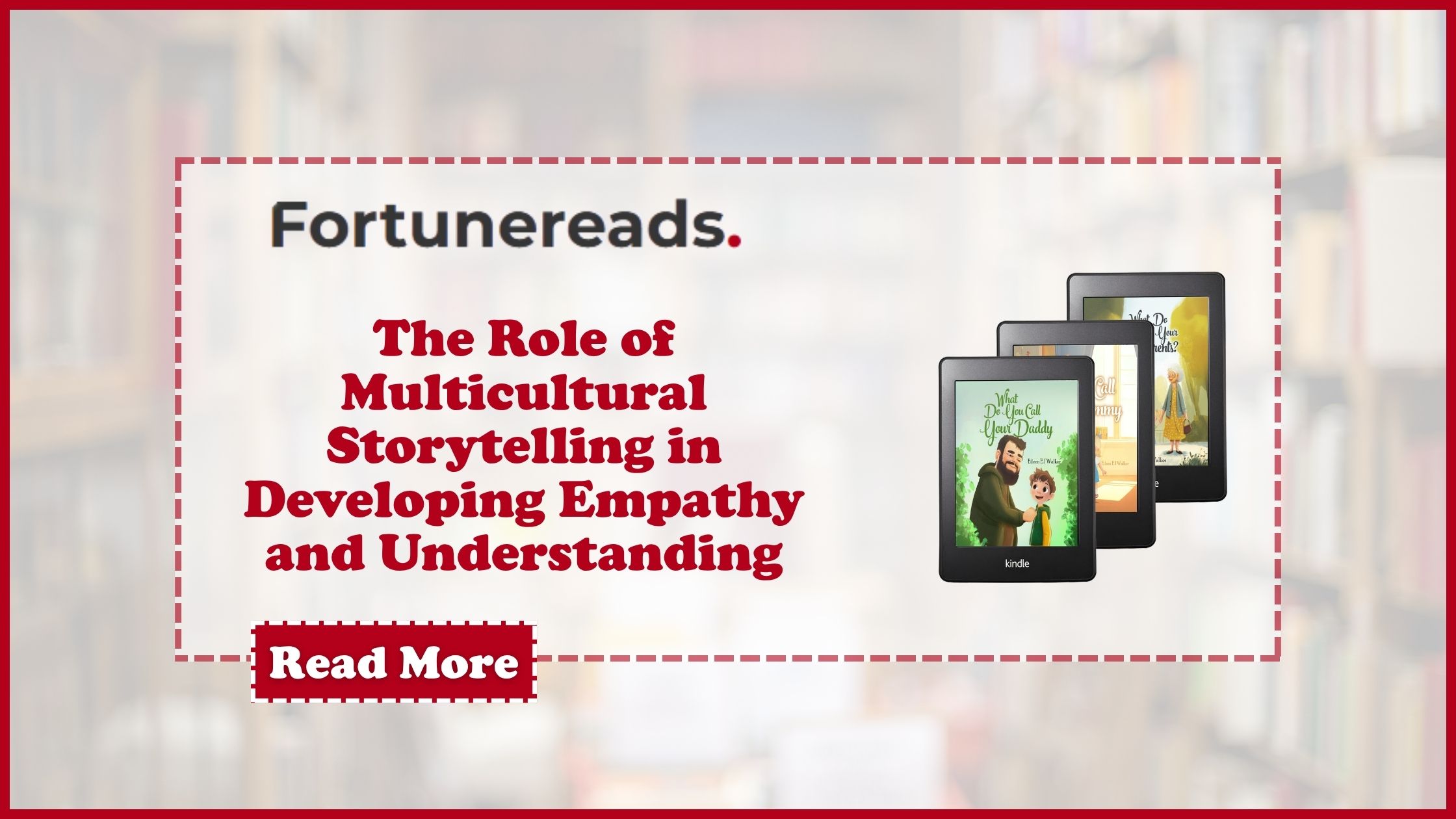
Storytelling has long been a way to preserve culture, share experiences, and connect with others. In today’s increasingly globalized world, multicultural storytelling plays a pivotal role in shaping how children view and understand the world around them. By introducing young readers to stories that reflect the diverse experiences of people from different backgrounds, authors can foster empathy, acceptance, and a broader worldview. Books like What Do You Call Your Mommy? and What Do You Call Your Grandparents? by Eileen E. J. Walker illustrate how storytelling can help children appreciate cultural differences while developing an understanding of shared human values.
In What Do You Call Your Mommy?, children are introduced to the varying ways people refer to their mothers across different cultures. From “Maman” in French to “Māmā” in Chinese, the book offers a simple yet profound look at how a universal relationship parenthood transcends linguistic and cultural boundaries. By presenting these differences in a lighthearted and accessible way, the story encourages children to embrace linguistic diversity and consider how people around the world express affection for their parents.
Similarly, What Do You Call Your Grandparents? celebrates the rich diversity of familial bonds by showcasing the different terms used for grandparents across the globe. Whether it’s “Nana” and “Papa” in English-speaking households or “Baba” and “Deda” in Eastern European families, these terms provide a window into the unique traditions and customs that shape families worldwide. The book allows children to see how the love and care between grandparents and grandchildren are universal, even as the names we use to describe them may differ.
Multicultural storytelling helps children realize that while the world is filled with differences, we all share common human experiences. Whether it’s the bond between a child and their parent, the love a grandparent offers, or the joy of spending time with family, these universal themes resonate with readers regardless of their cultural background. Through stories like What Do You Call Your Mommy? and What Do You Call Your Grandparents?, children learn that people’s experiences may differ, but the emotions that bind us together love, joy, care, and understanding are universal.
One of the most powerful aspects of multicultural storytelling is its ability to build empathy. By reading about characters from different cultural backgrounds and understanding their family traditions and values, children can develop a deeper appreciation for others’ perspectives. This can help them recognize the common threads that connect us all, whether it’s the way we call our parents or the shared experiences of spending time with family. As children become more familiar with the ways other cultures express affection, they develop a more inclusive mindset that embraces differences rather than fearing them.
Furthermore, books that highlight diverse cultural practices allow children to see themselves in the stories and characters they read about. For children from multicultural backgrounds, seeing their own family traditions represented in literature validates their experiences and reinforces their sense of identity. For children from monolingual or more homogeneous backgrounds, these stories offer a way to connect with their peers from different cultures, helping them understand and appreciate the diversity that exists within their communities and the world at large.
In a world that is increasingly interconnected, teaching children to embrace cultural diversity through storytelling is more important than ever. What Do You Call Your Mommy? and What Do You Call Your Grandparents? are just two examples of how books can help young readers develop the empathy and understanding necessary to navigate the complexities of a multicultural world. By learning about the ways different cultures express love and affection, children are not only expanding their vocabulary but also expanding their hearts. These stories create a foundation for a future where empathy and understanding are at the forefront, making the world a more compassionate place for everyone.
Explore this book now, available on Amazon: https://www.amazon.com/dp/B0G2KQ4VSD.