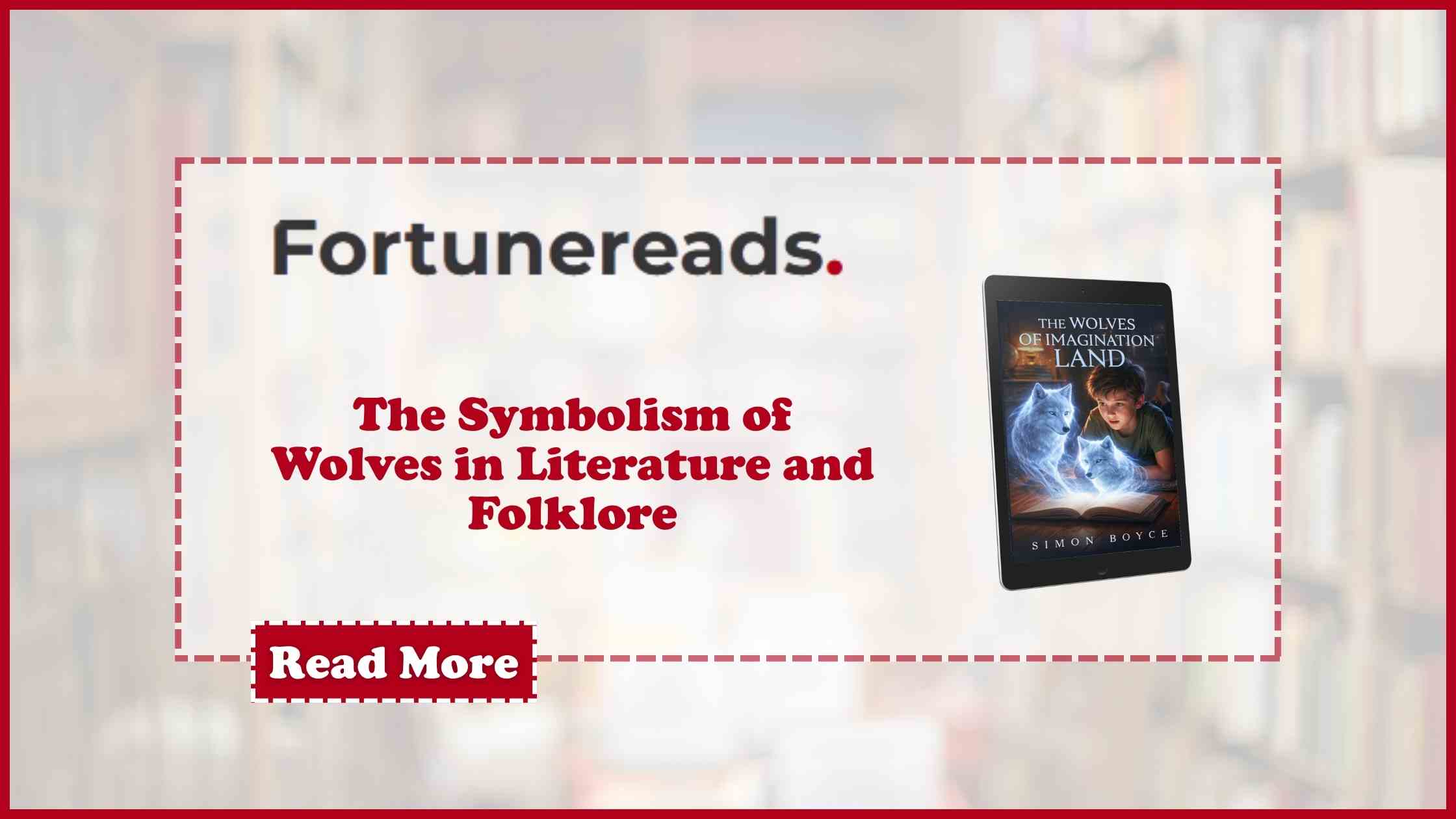
Wolves have always held a powerful place in stories. Across literature and folklore, they have appeared as hunters, guardians, outsiders, teachers, threats, and symbols of wild freedom. Sometimes they are feared. Sometimes they are respected. Sometimes they are misunderstood. This rich history makes the wolf one of the most fascinating figures in children’s storytelling, and it gives The Wolves of Imagination Land by Simon Boyce a meaningful foundation.
For generations, many tales have used wolves as figures of danger. They appear in forests, shadows, and warnings. Children often meet them first as villains in familiar stories, where the wolf is clever, hungry, and frightening. Yet folklore is never that simple. In many traditions, wolves also represent loyalty, instinct, courage, family bonds, and survival. They live in packs, protect their young, and move through the natural world with strength and awareness.
This contrast is what makes wolves so interesting on the page. They can carry fear and beauty at the same time. They can stand for the unknown, but also for wisdom. They can seem dangerous from a distance, yet noble when understood more deeply. That tension gives writers a chance to explore how quickly people judge what they do not know.
In The Wolves of Imagination Land, Simon Boyce takes this familiar symbol and gives it new life. Instead of accepting the old idea that wolves must be villains, the story asks young readers to look again. Junior, one of the central characters, wonders why wolves are so often treated unfairly in stories. His question becomes the emotional spark of the book. It invites children to think about labels, assumptions, and the stories people repeat without questioning them.
Luna adds another layer to this theme. She comes from a different world than Junior, yet she carries the same curiosity and courage. Their friendship shows that wolves can represent more than fear. They can represent trust, bravery, discovery, and change. Through their bond, the book turns an old symbol into something warm and hopeful.
This is why the story works so well for young readers. Children understand what it feels like to be misunderstood. They know the frustration of being judged before being heard. By using wolves as the heart of the story, Simon Boyce gives readers a way to explore those feelings through adventure rather than instruction.
The magical world of Imagination Land makes the symbolism even stronger. It is a place shaped by stories, where old beliefs can create distance and new stories can build paths. This gives children a clear and memorable message: the stories we tell matter. They can limit how we see others, or they can help us see them with greater kindness.
For readers who enjoy fantasy, animal characters, and meaningful adventures, The Wolves of Imagination Land offers a fresh take on a timeless symbol. It reminds us that even the most familiar figures in folklore can be reimagined. A wolf does not always have to be the villain. Sometimes, the wolf is the one who teaches us how to change the story.
Get Your Copy On Amazon: https://www.amazon.com/dp/1972989685/