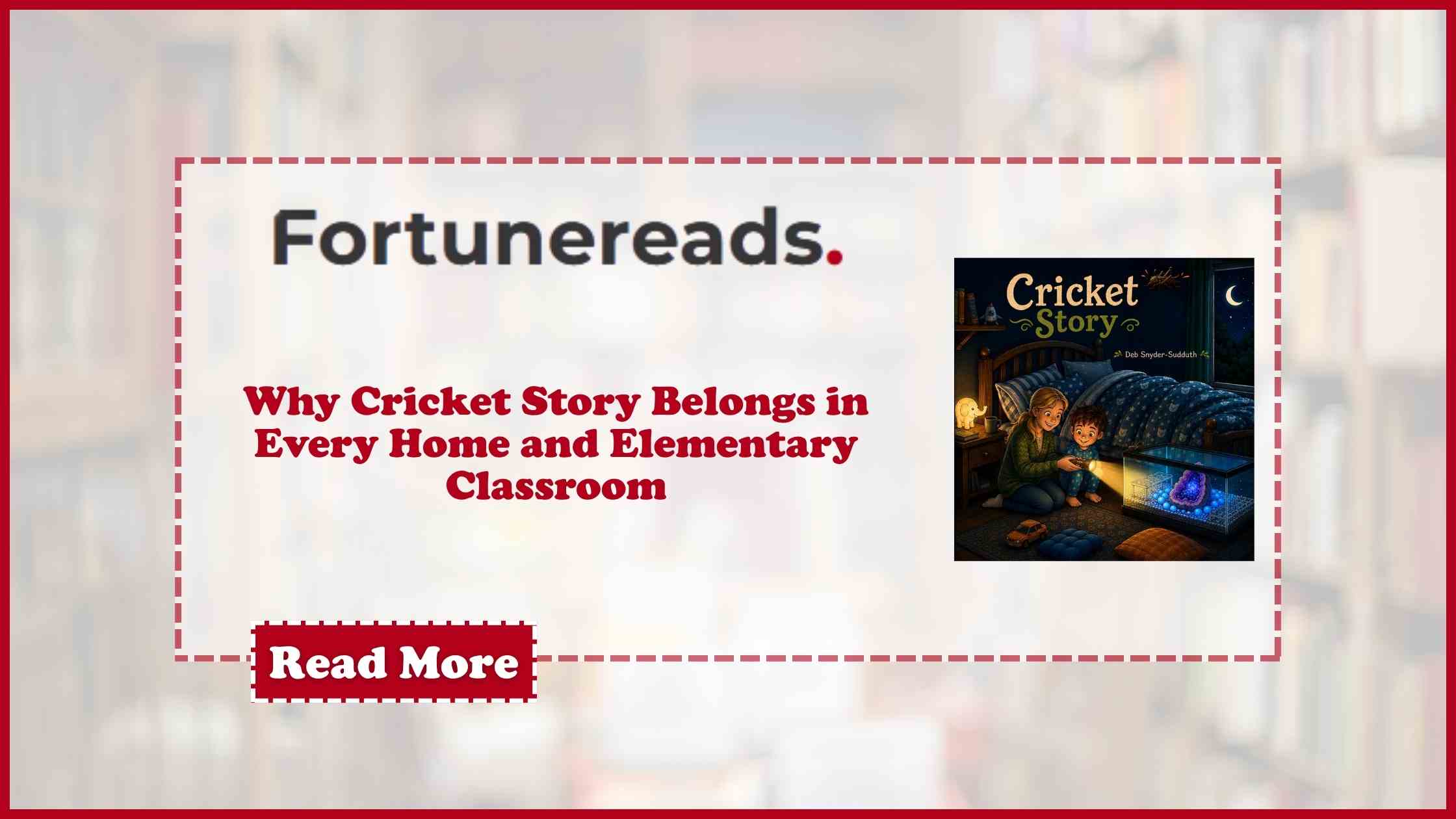
Children’s books can do much more than entertain. The best stories spark questions, build empathy, introduce new ideas and help young readers see ordinary experiences differently. Cricket Story by Deb Snyder-Sudduth achieves all of this through a warm, beautifully illustrated adventure about one child, one unexpected visitor and one unforgettable lesson from nature.
The story begins when Dean struggles to sleep because a cricket is chirping somewhere in his bedroom. Frustrated by the constant sound, he calls for his mother and insists that the noisy insect is driving him crazy. Together, they search beneath the bed, inside the toy box and around the room, but the mysterious cricket remains hidden.
Instead of dismissing Dean’s concern, his mother turns the situation into a learning opportunity. She reads to him about crickets, explaining what they eat, how they produce their distinctive songs, where they live and how they develop. As Dean learns more, his frustration gradually becomes fascination. This natural transition makes the book especially valuable for parents and educators because it demonstrates how knowledge can replace fear, irritation or misunderstanding.
A Story That Makes Science Approachable
Elementary-age children often learn best when information appears within an engaging narrative. Rather than presenting cricket facts as a dry list, Cricket Story connects them to Dean’s personal experience. Young readers discover why male crickets chirp, how their wings create sound, what a suitable cricket habitat requires and why these insects play an interesting role in nature.
Teachers can use the story to introduce classroom discussions about insects, animal life cycles, habitats, observation and responsible wildlife care. It could also inspire creative activities such as drawing a cricket habitat, researching local insects, writing nature journals or discussing nighttime sounds.
Big Lessons from a Tiny Creature
The book’s educational value extends beyond science. After finding the cricket, Dean names him Jake and carefully prepares a home with soil, moss, shelter, food, water, stones and other thoughtful details. His actions teach children that caring for another living creature requires preparation, patience and responsibility.
Dean also experiences an emotional lesson when he learns that Jake should eventually return to nature. Although releasing his new companion is difficult, Dean understands that genuine care sometimes means letting go. He records Jake’s chirping, takes photographs and then sets him free with love and gratitude.
This moment gives families and teachers an opportunity to discuss kindness, attachment, respect for wildlife and healthy ways to handle goodbyes.
Perfect for Shared Reading
With expressive illustrations, comforting family interactions and a relatable main character, Cricket Story works beautifully as a bedtime book, read-aloud selection or independent classroom read. Children will enjoy Dean’s determination and his growing friendship with Jake, while adults will appreciate the story’s blend of emotional development and nature education.
Every home and elementary classroom needs books that encourage children to remain curious, compassionate and open-minded. Cricket Story reminds young readers that even the smallest creature can inspire discovery and that something initially seen as a nuisance may become a source of wonder.
For families, teachers and young nature lovers, Deb Snyder-Sudduth’s Cricket Story is a meaningful addition to any bookshelf.