Every child remembers how it feels when a grown-up raises their voice. The room gets heavy, the heart beats faster, and learning becomes harder. These early moments shape how children understand correction, rules, and even themselves. That is why gentle guidance is not only kinder but far more effective. When children feel safe, they learn better. When corrections feel calm, they respond with more trust and cooperation.
Early behavior correction should never be about fear. Young children are still learning how to manage their feelings, solve problems, and understand the consequences of their actions. A harsh tone may temporarily stop a behavior, but it does not teach the child what to do next. Gentle correction, on the other hand, leaves space for thinking. It keeps the child connected to the adult, rather than shutting down or becoming defensive.
Social-emotional learning offers strong support for this idea. Research shows that children learn to manage their actions when adults model calm and steady responses. A peaceful correction teaches the child that mistakes are a normal part of learning. It invites them to reflect instead of feeling ashamed. This approach also helps children build an inner voice that is kind rather than critical.
A gentle method can be as simple as using a visual cue or a friendly reminder. For example, imagine a child talking loudly during a quiet activity. Instead of a stern warning, the teacher might use a gentle prompt, such as bringing out a familiar classroom character. It gives the child time to recognise the behavior without feeling attacked. The moment becomes a chance to learn rather than a moment to fear.
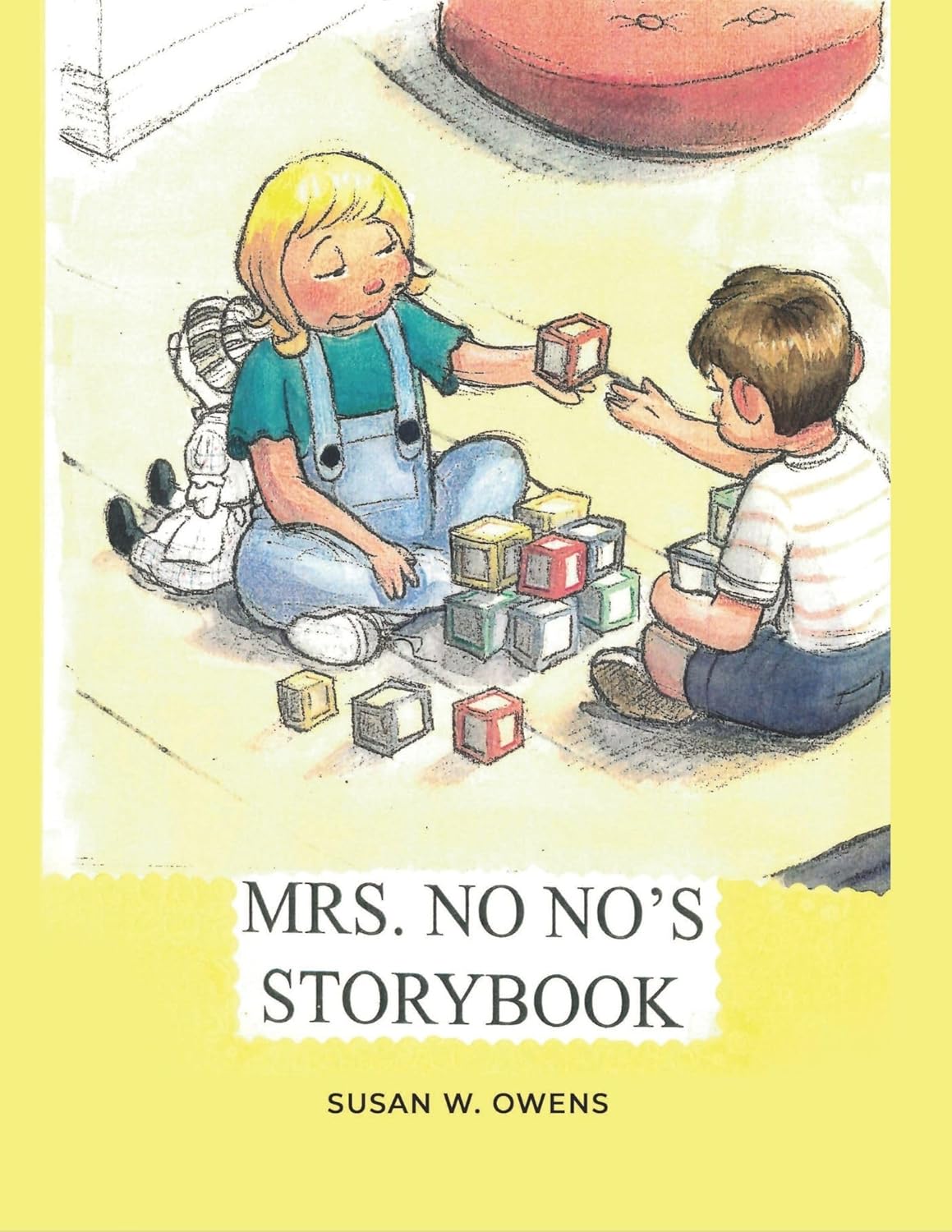
One helpful example comes from the approach used in Mrs. No No’s Storybook by Susan W. Owens. Mrs. No No is a classroom character who helps children understand behavior in a calm and supportive manner. When a student forgets a rule or becomes restless, the teacher can bring out Mrs. No No to look at the child with gentle but clear eyes. This small action provides a meaningful pause. The child sees the cue, thinks about the behavior, and often corrects it on their own. The teacher does not need to raise their voice or create tension.
This simple tool reflects the heart of social-emotional learning. It gives children a safe moment to adjust their choices. It teaches them that correction is not something to fear. It teaches them that they can change their behavior with confidence. Over time, children begin to recognize their own patterns and address them before they develop into bigger issues.
Gentle correction also helps to strengthen the classroom environment. Teachers feel more peaceful. Children feel more connected. The room becomes a place where everyone can grow together.
For teachers, parents, and caregivers who want to explore this calm and effective approach, Mrs. No No’s Storybook offers practical steps and helpful tools that support positive behavior from the very start.
Choose calm guidance. Discover Mrs. No No’s Storybook today. Available on Amazon: https://www.amazon.com/dp/B0FPPJX6DR.
Discover Mrs. No No’s Message → Share It! https://www.mysuncoast.com/2025/06/25/mrs-no-nos-storybook/