The Growing Need for Character Education in Schools
Modern classrooms face more than academic demands. Teachers are expected to support emotional growth, social skills, and behavior management while maintaining a positive learning environment.
Academic success is closely linked to character development. Children learn best when they feel safe, respected, and guided. This is why character education is no longer optional. It is essential.
Mrs. No No as a Gentle Classroom Guide
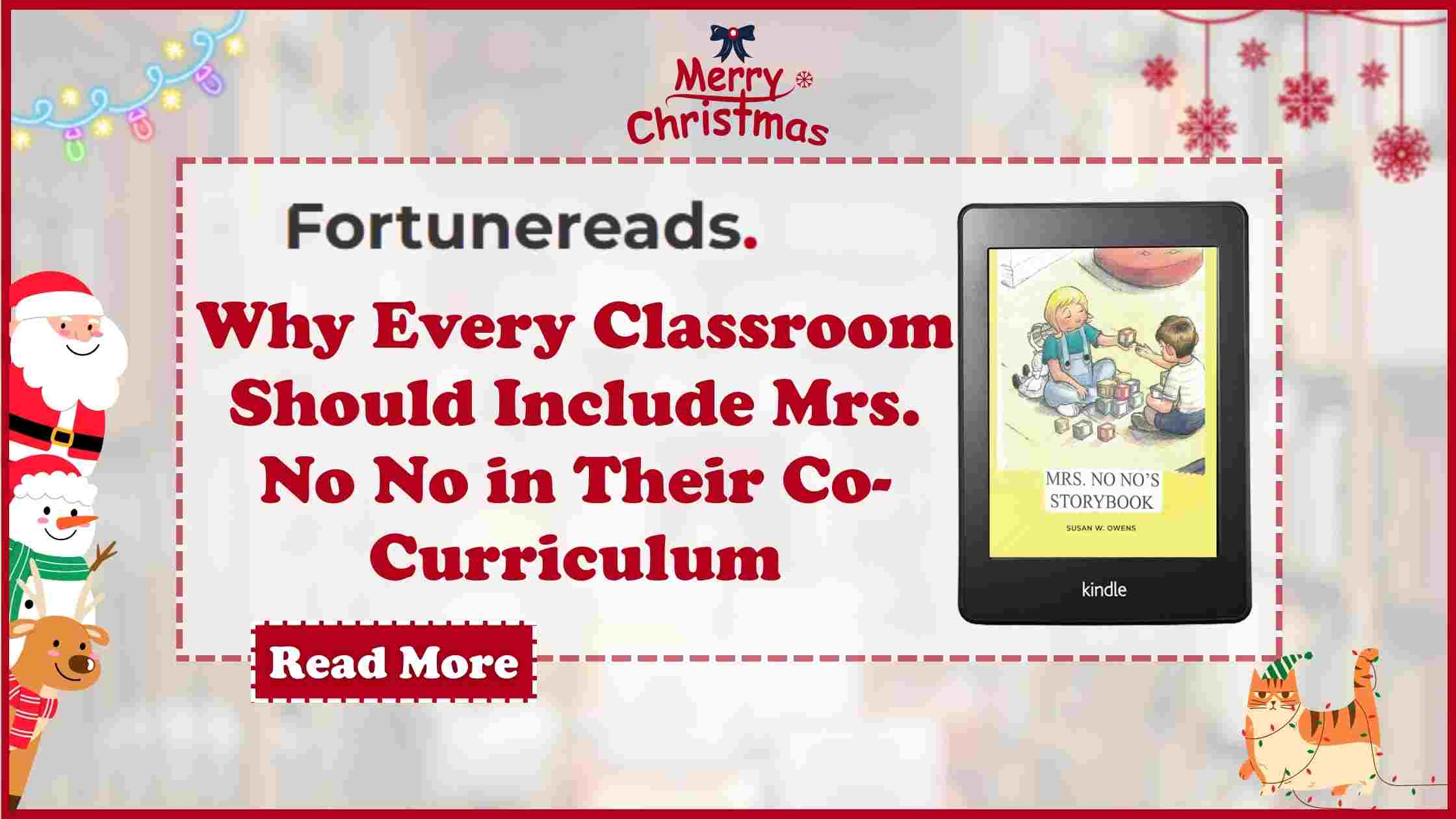
Mrs. No No’s Storybook by Susan W. Owens offers a unique approach to character education. Rather than relying on fear or constant correction, it introduces a calm and consistent reminder to help children make better choices.
Mrs. No No is not a rule enforcer. She is a symbol of conscience. She helps children pause and reflect before acting. This approach aligns well with modern educational practices that prioritize self regulation over punishment.
Supporting Self Regulation and Independence
One of the biggest challenges in classrooms is helping children regulate their own behavior. External discipline can only go so far. True growth happens when children begin to self correct.
Mrs. No No supports this process. Teachers are encouraged to keep her present but only draw attention to her when behavior needs redirecting. Over time, children begin to anticipate expectations without direct intervention.
This reduces disruptions and empowers students to take ownership of their actions.
Creating a Calm and Respectful Classroom Environment
Classrooms thrive on consistency. Mrs. No No provides a shared reference point for behavior. Instead of repeated verbal warnings, a simple gesture or reminder can prompt correction.
This creates a calmer atmosphere. Teachers spend less time managing behavior and more time teaching. Students feel guided rather than controlled.
Reinforcing Core Values Across the School Day
Mrs. No No’s Storybook addresses essential values such as respect, honesty, responsibility, cooperation, diligence, and self esteem. These values align with widely accepted social and emotional learning goals.
The included raps and affirmations make values memorable. Repetition through rhythm and movement helps children internalize lessons and apply them independently.
Bridging Home and School Expectations
One of the strengths of Mrs. No No is her ability to bridge environments. When children encounter the same values at home and in school, learning becomes stronger.
Parents and teachers can reference the same language and lessons. This consistency supports children and reduces confusion about expectations.
A Practical Tool for Teachers
Mrs. No No is easy to integrate into daily routines. She does not require extensive training or complex materials. She supports existing classroom structures rather than replacing them.
Teachers can use her during transitions, conflicts, or moments of reflection. Over time, her presence becomes a quiet guide rather than an active intervention.
Education is not only about academics. It is about preparing children for life. Values learned in early classrooms influence how children interact, solve problems, and contribute to society.
Including Mrs. No No in the co-curriculum supports long-term character development. She helps children build an internal guide that stays with them long after the classroom walls are behind them.
For schools seeking a gentle, effective, and developmentally appropriate approach to character education, Mrs. No No offers a meaningful addition to any learning environment. Head to Amzon to purcashe your copy: https://www.amazon.com/dp/B0FPPJX6DR