On a Roman battlefield, death was expected. A legionary might fall to an enemy spear, collapse under the weight of exhaustion, or be crushed in the chaos of combat. But there was one fate considered far worse than any wound or final breath: the loss of the legion’s eagle standard, the aquila. To lose the eagle was not just a military failure; it was a shame that could haunt survivors more than the memory of their fallen comrades.
The Aquila was no ordinary symbol. Crafted in silver or bronze, sometimes gilded, the eagle with outstretched wings represented Rome’s strength, divinity, and eternal power. Each legion had its eagle, carried by an aquilifer chosen for bravery and loyalty. Protecting the eagle was a sacred duty. In battle, the sight of the eagle gleaming above the ranks was a rallying cry, a reminder that Rome itself marched with its men. To see it captured was to feel the empire itself diminished.
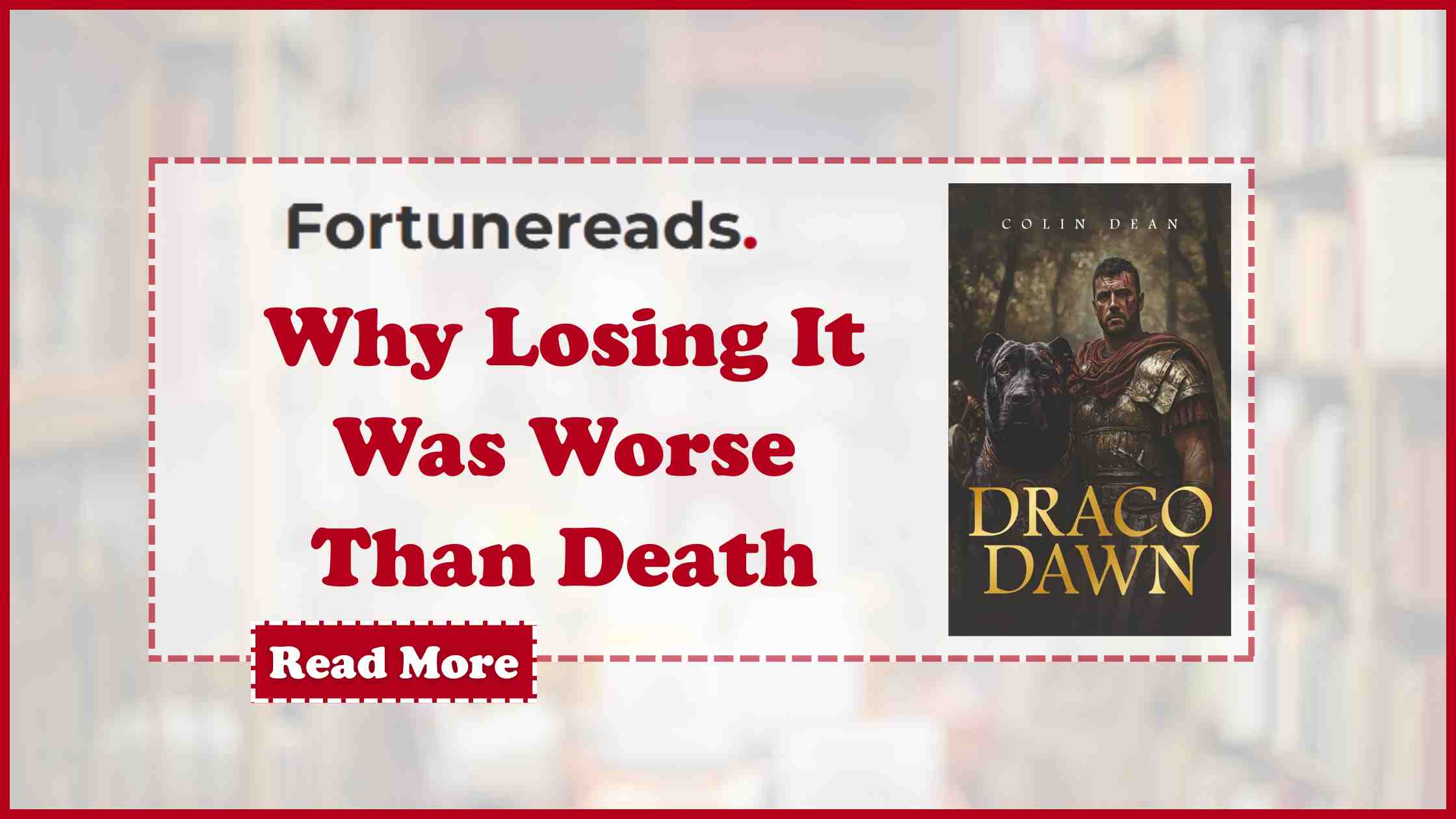
This sense of reverence is powerfully woven into Colin Dean’s Draco Dawn. Early in the novel, the eagle of Legio V Alaudae takes its rightful place at the front of the marching columns, a symbol of Rome’s unstoppable advance into Dacia. Legionaries follow with the confidence that the eagle, and the gods it embodied, guided their steps. But as the story unfolds and Cornelius Fuscus leads his forces into the deadly forests of Tapae, the fate of the eagle becomes tied to the fate of the men. When formations break and the Dacian Wolf Warriors swarm from the trees, the eagle’s survival becomes as important as the soldiers themselves.
Historically, the loss of a standard could shatter morale across an entire empire. One of the most famous examples was the disaster of Teutoburg Forest in 9 AD, when Germanic tribes captured three Roman eagles. It took decades of campaigning and heavy losses before Rome recovered even some of them. Emperors spent fortunes and sacrificed thousands of men just to retrieve a single eagle, because its absence represented a wound to Rome’s pride that no triumphal procession could heal. In Draco Dawn, that historical weight is felt when characters fight to the last breath around the eagle bearer. To stand and die with the eagle was honourable; to live without it was unbearable.
For Titus Livius Decimus, the scout at the heart of the novel, the eagle is not only a symbol of Rome’s supremacy but also of the fragile thread between loyalty and despair. Surrounded by chaos, he witnesses the desperation of comrades who cling to the eagle even as death closes in. The standard becomes more than an object. It is identity, spirit, and the final proof that Rome’s will endures. When the eagle falls into enemy hands, as history records it did at Tapae, the humiliation is complete. The death of Cornelius Fuscus is tragic, but the loss of the eagle is catastrophic.
Why was losing it worse than death? Because Rome could honour the dead, build monuments to their bravery, and console families with tales of sacrifice. But no speech in the Senate and no offering to the gods could excuse the shame of a lost eagle. It meant dishonour, defeat, and vulnerability in the eyes of friend and foe alike.
Draco Dawn brings this truth alive. By bringing the history and Rome’s most tragic events to life, this book shows how the glitter of the eagle inspired courage and how its capture echoed like thunder across the empire. It reminds us that empires are not built only on victories but also on the fragile symbols men choose to defend, even when doing so is worth more than their own lives.
Read this book now on Amazon: https://www.amazon.com//dp/1968296484.