The United States has extraordinary hospitals, skilled healthcare professionals, advanced medications, and sophisticated medical technology. Yet healthcare costs continue to rise while chronic disease remains widespread. One reason is frequently overlooked: the patient is still treated primarily as a recipient of care rather than an active participant in creating health.
Medical appointments occupy only a small part of a patient’s life. Most health decisions occur at home, at work, in restaurants, at the pharmacy, and during ordinary moments when no healthcare professional is present. Patients decide whether to take their medication, follow dietary guidance, remain physically active, monitor symptoms, attend appointments, or seek help when their condition changes.
These daily choices often determine whether a treatment plan succeeds.
A physician can prescribe medication for hypertension, but the patient must take it correctly. A diabetes educator can explain glucose management, but the patient must apply that knowledge each day. A surgeon can repair an injury, but the patient must follow rehabilitation instructions. Clinical care provides the opportunity for improvement. Patient action determines whether that opportunity becomes a lasting result.
This does not mean patients should be blamed for poor health. Many people face limited health literacy, financial hardship, cultural barriers, emotional distress, transportation difficulties, or confusing medical instructions. Accountability without support is unfair and ineffective.
Healthcare systems must equip patients before expecting them to take greater responsibility. Providers must communicate clearly, confirm understanding, listen to patient concerns, and develop care plans that fit real lives. Patients must then ask questions, disclose difficulties, follow agreed plans, and take ownership of the actions within their control.
Patient engagement and patient accountability must work together. Engagement gives patients the knowledge, confidence, and support required to participate. Accountability encourages them to act on that support. One without the other is incomplete.
When patients become genuine partners, healthcare can move from repeated crisis treatment toward prevention and sustained self management. Medication adherence can improve. Warning signs can be identified earlier. Unnecessary emergency visits may decline. Most importantly, patients can gain greater confidence, independence, and control over their health.
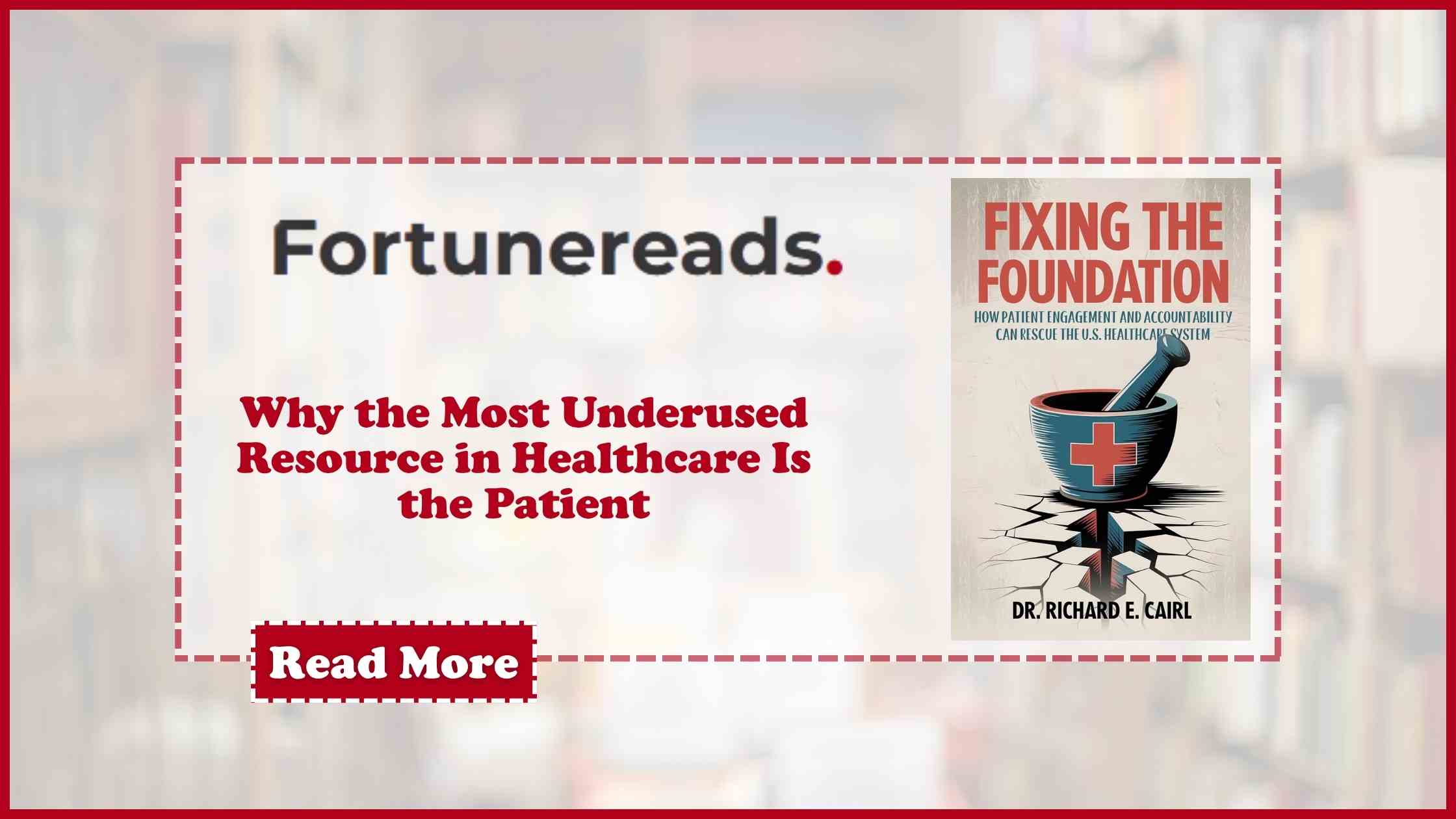
In Fixing the Foundation: How Patient Engagement and Accountability Can Rescue the U.S. Healthcare System, Dr. Richard E. Cairl examines why patients have remained on the margins of healthcare reform and presents practical strategies for bringing them into the center of care. The book offers a timely case for shared responsibility among patients, providers, healthcare organizations, and policymakers.
The most powerful resource in healthcare may not be a new drug, device, or policy. It may be the patient who is informed, supported, engaged, and prepared to act.
Get your copy today: https://www.amazon.com/dp/B0GRCRBKB6/