Human Resources (HR) is at the heart of every successful business. From recruiting new employees to managing workplace policies, HR involves constant communication, and much of that communication happens in English. For managers and students preparing for careers in business administration, knowing the right HR vocabulary can make the difference between sounding unsure and sounding professional.
Imagine you’re in a job interview and the recruiter asks about your personnel management experience. If you only understand people or staff, you might miss the nuance of the question. Or consider a manager writing an evaluation report. Words like performance appraisal or occupational safety convey precision and professionalism, while simpler terms may seem vague. Learning the right vocabulary helps you engage more effectively, whether you’re a student entering the job market or a manager dealing with employees daily.
Let’s look at a few essential HR words and how they appear in real situations.
- Recruitment and Selection: This describes the process of attracting and choosing candidates for jobs. In practice, a manager might say, Our recruitment and selection strategy focuses on finding people who fit our company values. Students applying for jobs often hear these terms in career fairs or HR workshops.
- Personnel: This is simply another word for the employees of a company. For example, all personnel must attend the new training program. It sounds more formal than just saying workers or staff.
- Human Capital: A modern phrase that refers to the skills, knowledge, and abilities employees bring. Companies often invest in training because they view people as their greatest form of capital.
- Compliance: This word appears frequently in HR discussions, particularly around workplace laws and safety. A manager might explain, We must ensure compliance with health and safety regulations. Students preparing for HR exams will encounter this again and again.
- Appraisal: An appraisal is an evaluation of an employee’s work performance. In many companies, managers conduct an annual appraisal to discuss achievements, areas of improvement, and goals for the year ahead.
- Compensation and Benefits: These words go beyond salary to include health insurance, bonuses, and benefits. When candidates ask about a job package, they’re really asking about total compensation.
- Retention: This refers to keeping employees motivated so they don’t leave. For example, our HR team is working on new retention strategies to reduce turnover.
Consider a graduate student applying for an internship. During the interview, they might be asked how they would handle employee relations. Without the right vocabulary, answering becomes difficult. But with an understanding of HR English, they can explain how they’d build trust, resolve conflicts, and support staff.
Or picture a new manager tasked with reducing workplace stress. Knowing words like occupational safety or well-being initiatives helps frame solutions in a way that sounds informed and credible. In both cases, vocabulary becomes the bridge between intention and clear communication.
For anyone aiming to work in HR or business management, practicing these terms in writing tasks, role-plays, and real-world scenarios is essential. The more you use them, the more natural they become.
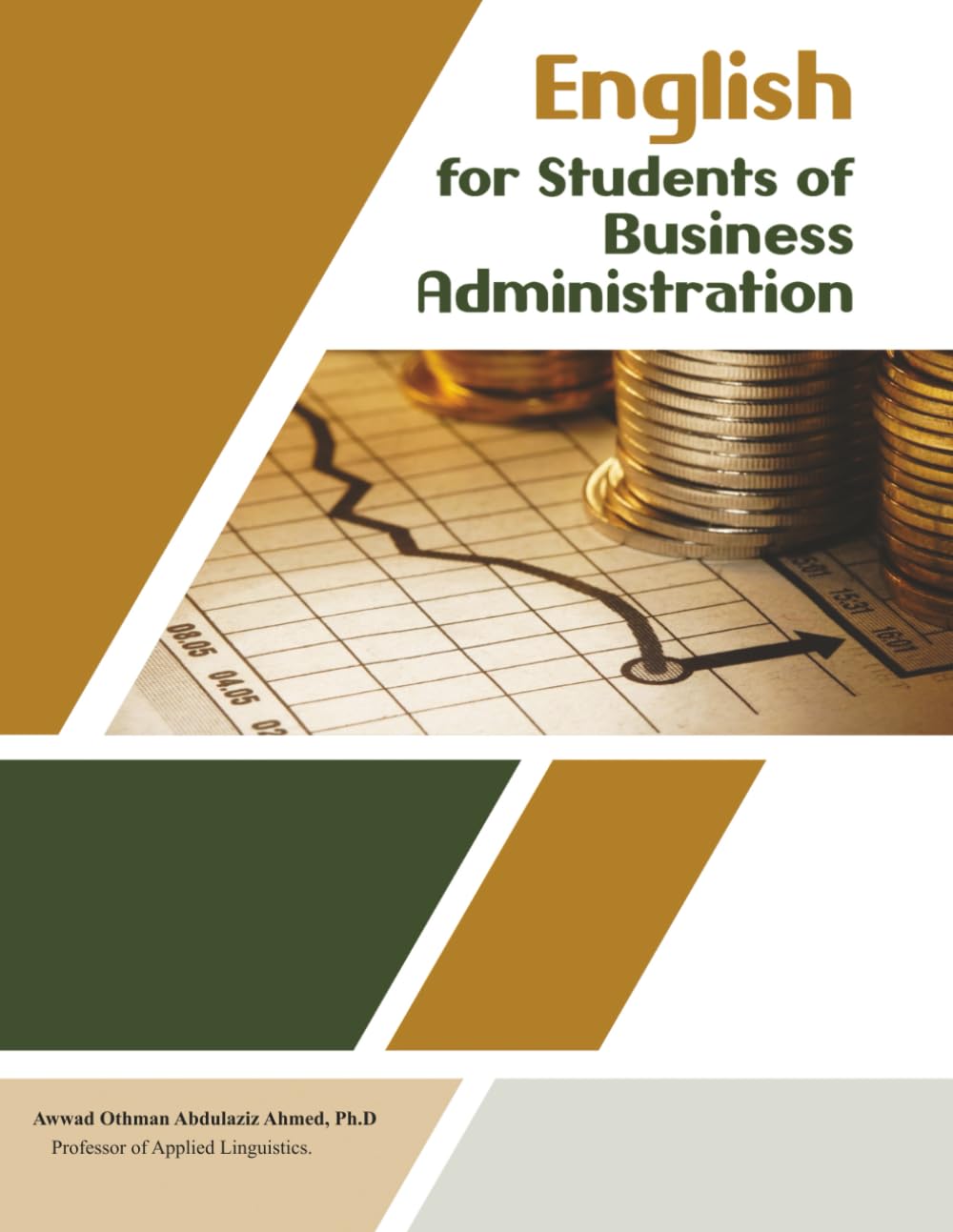
To build confidence and fluency, English for Students of Business Administration by Dr. Awwad Othman Abdulaziz Ahmed provides structured lessons, real-world examples, and exercises that bring HR English vocabulary to life. It’s a practical resource for both students and managers who want to communicate effectively in today’s global business environment.
Get your copy from Amazon: https://www.amazon.com/dp/1917553056/.