Who gets to decide who belongs?
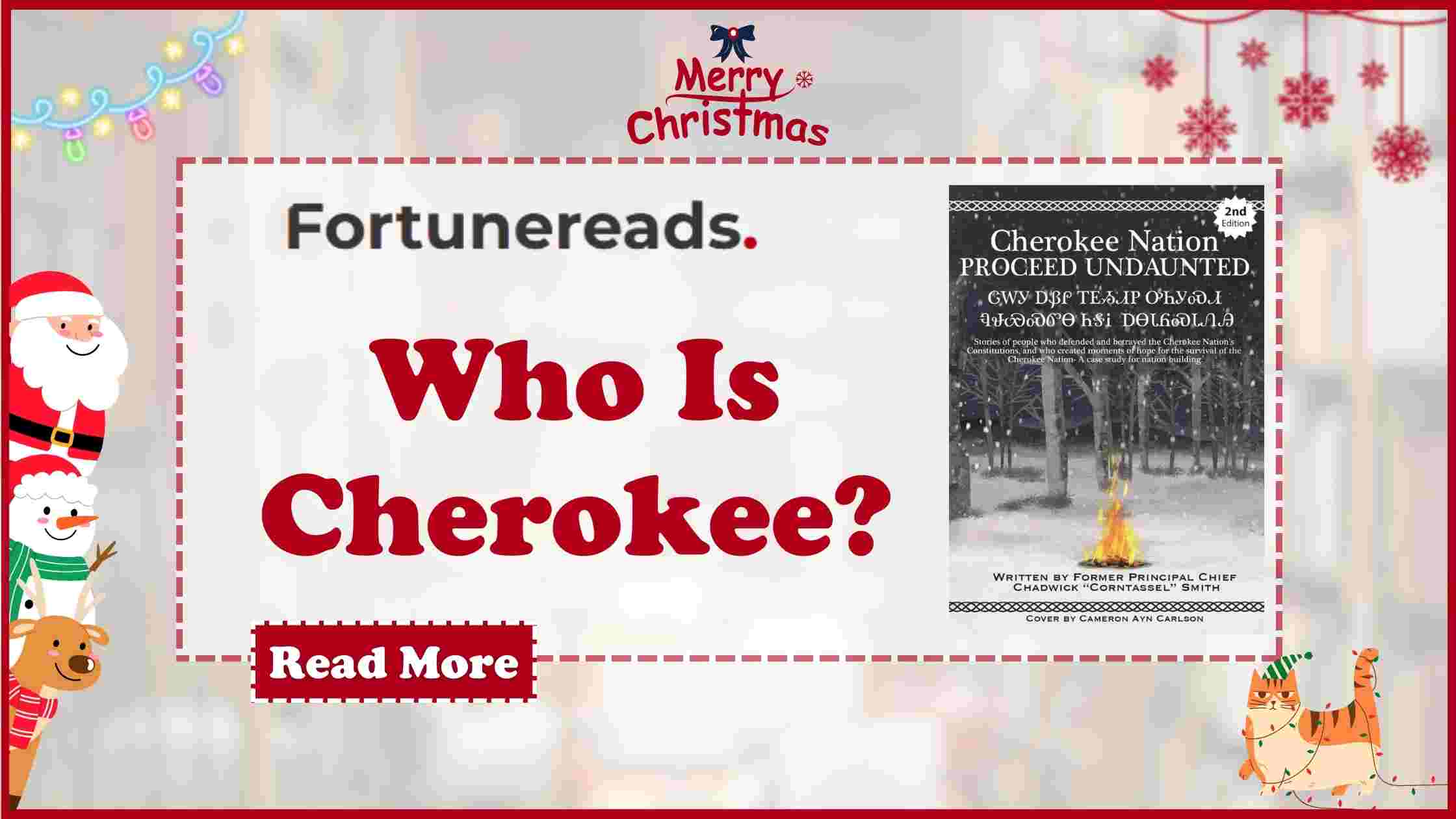
In Cherokee Nation: Proceed Undaunted, Chadwick “Corntassel” Smith explores this issue with clarity, honesty, and urgency. He shows us that defining who is Cherokee is about law, identity, history, and community.
The question, “Who is Cherokee?” has caused deep divisions in recent years. At the center is the Cherokee Nation Constitution and how it defines citizenship. In 2007, a vote by the Cherokee people added a phrase to the Constitution that required citizens to be “by blood.” This includes descendants of individuals listed on the Dawes Rolls. This action was contentious because it was connected to the controversy surrounding Cherokee Freedmen, descendants of Black people who Cherokees had enslaved and later received tribal citizenship.
In 2021, the Cherokee Nation Supreme Court struck the phrase “by blood” from the Constitution. The court said it was outdated and discriminatory. But Smith argues that this decision ignored the democratic will of the people who voted in 2007.
Can a court rewrite the Constitution without a vote of the people?
Smith contends that rather than unelected judges, the people themselves should define identity. He has always considered his Cherokee citizenship to be more than just a legal status. It has to do with common language, values, traditions, and national obligations. It’s about being a part of a community that respects its history and helps to shape its future.
That doesn’t mean identity is simple. The Cherokee Nation is one of the largest tribal governments in the United States, with over 440,000 citizens. It includes people of mixed ancestry, people adopted into Cherokee families, and descendants of those who resisted forced removal. The idea of being “Cherokee” can look very different depending on who you ask.
Smith reminds us that before federal enrollment systems like the Dawes Rolls, the Cherokee people used kinship and clan ties to determine membership. Identity was more social than genetic. It was about who you lived with, who you served with, and who you protected. Today’s legal definitions don’t always reflect that older. It becomes more flexible.
Still, Smith does not call for a return to the past. He calls for honesty, integrity, and engagement. He believes Cherokee citizens must decide together what identity means. And that must happen through constitutional processes, not judicial shortcuts or political favors.
Back to the original question: Who is Cherokee? According to Cherokee Nation: Proceed Undaunted, it should be someone who belongs by law, lives by values, and serves the community. It should be someone who respects the Constitution and contributes to the future of the Nation.
As the book makes clear, Cherokee identity is not just about blood. It is about belonging and lineage. And citizenship, in a true Nation, must be protected, not redefined without consent. Be it integrity, honesty, perseverance, courage, respect, trust, honor, or humility, such qualities would be required for a Cherokee who would serve its people first and protect its values at all costs.
For more information on this subject, and to learn more about the Cherokee Nation, please read “Cherokee Nation Proceed Undaunted: A legal commentary on Cherokee Nation’s constitutional history, violations, corruption, and moments of hope for the Cherokee people—a case study for nation building.”
For more information, please read Cherokee Nation Proceed Undaunted. available on Amazon : https://www.amazon.com/dp/B0FN47D586/