Children often listen more closely when learning feels playful and safe. A puppet can capture attention in ways an adult voice sometimes cannot, especially in early childhood settings. It is not because children take learning less seriously, but because puppets speak to how young minds process emotions, social cues, and guidance.
Understanding why children respond so well to puppets helps explain why tools like Mrs. No No are effective in shaping behavior and engagement.
One key reason puppets work is emotional distance. When a puppet delivers a reminder, the child does not feel directly confronted. It reduces defensiveness and anxiety. The message feels softer, even when the expectation is clear. Children are more willing to listen because the interaction feels safe.
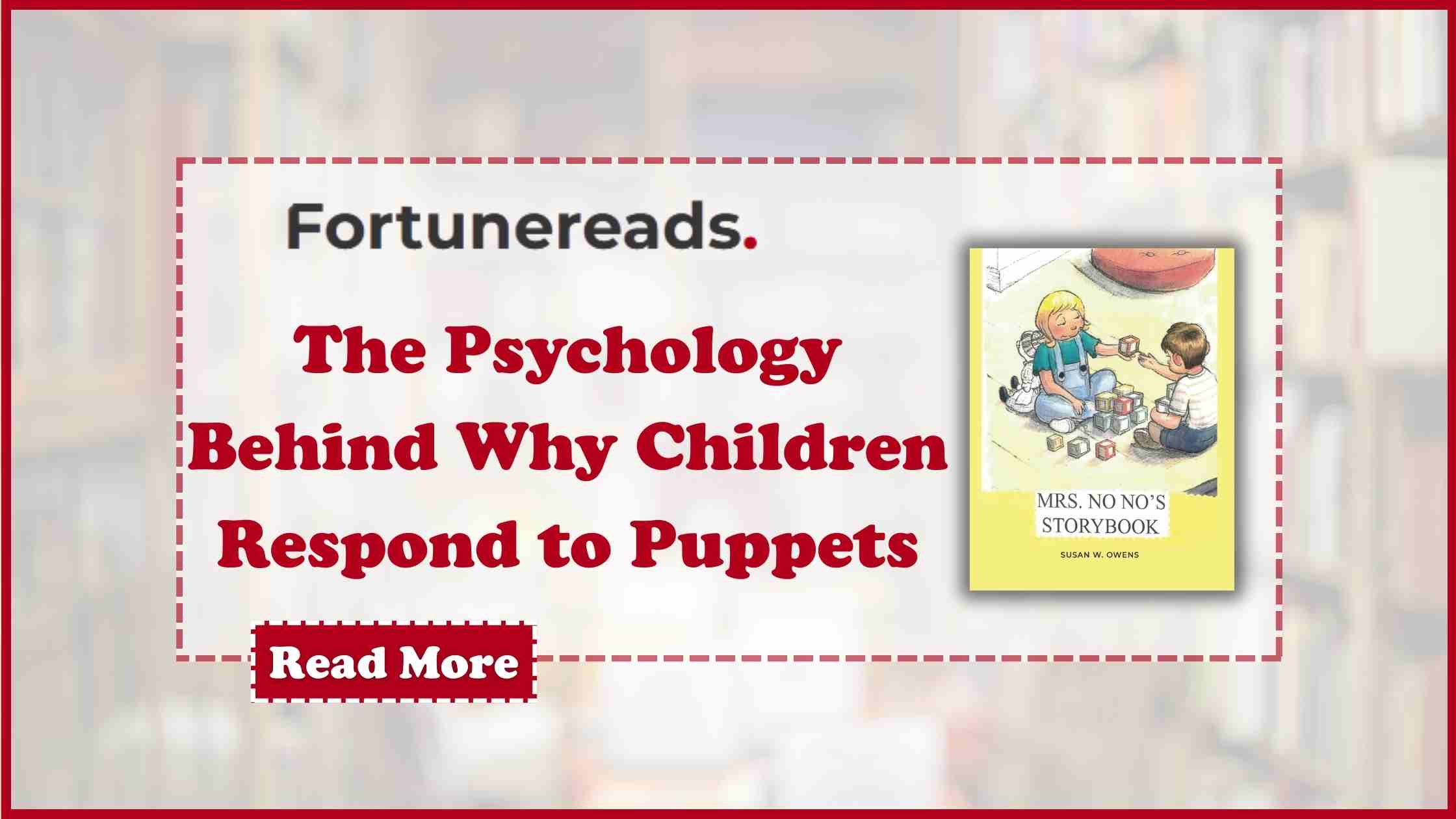
In Mrs. No No’s Storybook by Susan W. Owens, Mrs. No No serves as a calm presence that helps children reflect on behavior without fear. When she looks at a child who needs redirection, the moment invites thinking rather than resistance.
Puppets also encourage focus. Young children are naturally drawn to faces, movement, and expressive features. A puppet’s eyes, head movements, and gestures hold attention better than repeated verbal reminders. This increased focus makes it easier for children to absorb the message being shared. Instead of tuning out, they stay engaged. This engagement supports learning because the child is fully present in the moment.
Another important factor is imagination. Children often form emotional connections with characters. A puppet becomes a trusted figure rather than an authority to fear. This trust allows children to accept guidance more openly. Mrs. No No is introduced as a helper who wants children to succeed. Because of this framing, children see her reminders as supportive rather than corrective. The character feels like a friend who cares about doing the right thing.
Puppets also support reflection. When a teacher uses a puppet to ask a simple question, the child is given time to think. There is no rush or emotional pressure. This pause is essential for developing self-regulation. Instead of reacting, children learn to reflect on their choices. Over time, this practice helps them recognize patterns in their behavior and make better decisions independently.
Positive behavior change becomes more likely when children feel capable rather than criticized. Puppets help deliver messages in a way that preserves self-esteem. In Mrs. No No’s Storybook, this is reinforced through positive affirmations and character-building routines. The combination of visual cues and supportive language encourages children to believe they can do better, which motivates change.
Finally, puppets support consistency. A familiar character used daily becomes part of the classroom routine. Children know what the puppet represents and what is expected when it appears. This predictability creates emotional security and reduces confusion.
Characters like Mrs. No No help children engage, reflect, and change behavior positively because they meet children where they are emotionally.
For educators seeking a gentle and effective way to guide young learners, Mrs. No No’s Storybook by Susan W. Owens offers a thoughtful approach worth exploring.
Explore this book now, available on Amazon: https://www.amazon.com/dp/B0FPPJX6DR.