The call can come faster than expected.
A baby needs a home. The social worker needs an answer. There may be only a few hours to prepare and suddenly a family is racing to find a car seat, bottles, diapers, formula and anything else a newborn might need.
But the hardest things to prepare for are rarely found on a shopping list.
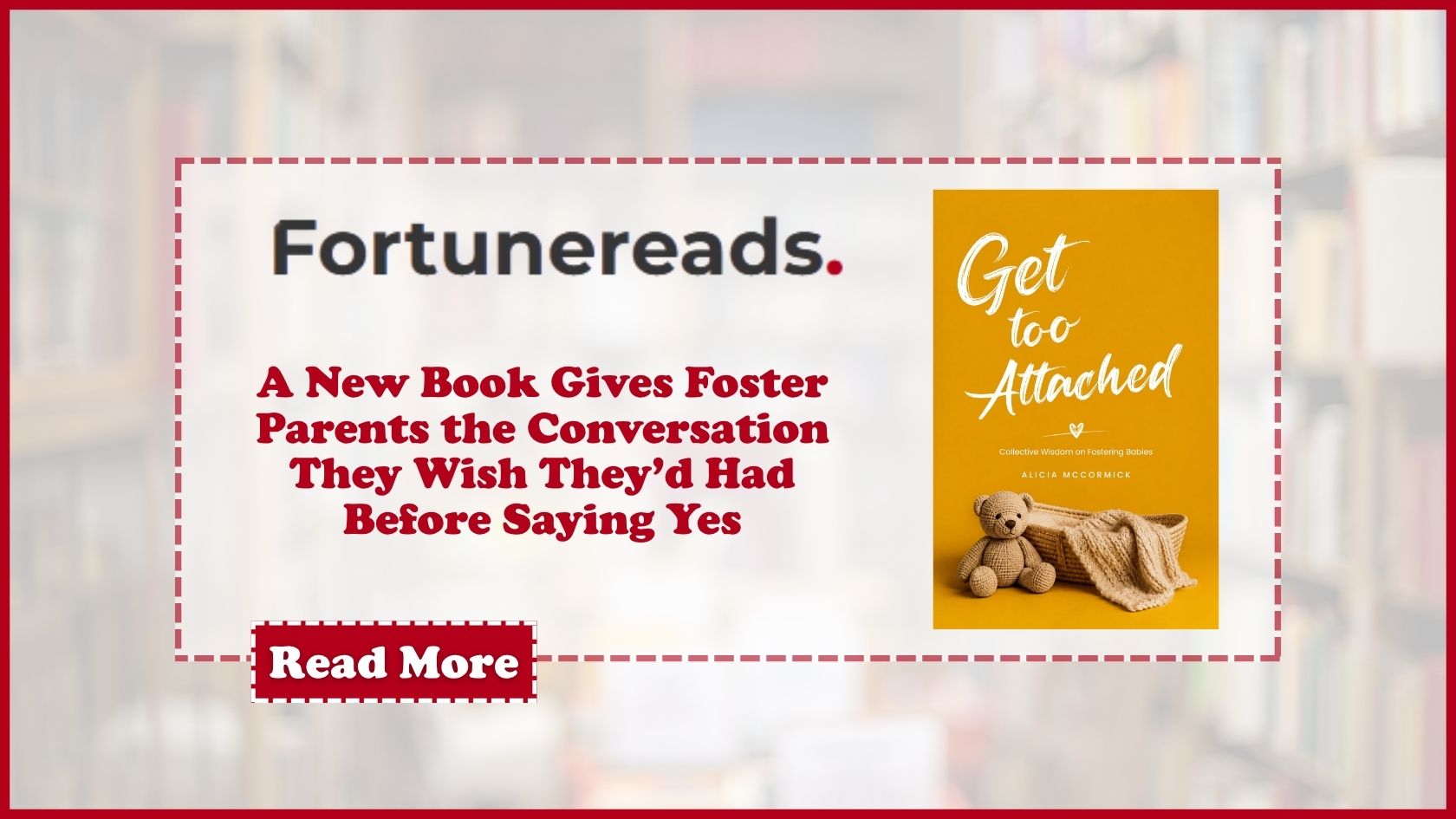
That is where Alicia McCormick, PhD’s forthcoming book, Get Too Attached: Collective Wisdom on Fostering Babies, steps in.
Built around the firsthand experiences of foster parents, the book offers the kind of honest conversation many caregivers wish they had before saying yes: babies in foster care can come with trauma, attachment needs, medical challenges, disrupted routines, uncertain case plans and emotional complexities that are easy to underestimate.
Across 30 chapters, foster parents answer the same six questions: how they began fostering, what they learned about trauma in babies, what signs they noticed, how they responded, what they wish others understood and what advice they would give prospective foster parents.
Their answers are candid.
Some parents describe babies who rarely cried. Others cared for infants who cried almost constantly. Some babies struggled to eat, sleep, attach or regulate. Others appeared calm at first, only for trauma-related behaviors to emerge later. Several contributors describe the realities of prenatal substance exposure, early intervention, therapy, medical appointments, social workers, court dates, visits with biological parents and the uncertainty surrounding reunification.
The book also makes clear that foster parents cannot prepare for everything.
One contributor encourages future foster parents to know their limits and be realistic about what they and their support systems can handle. Another emphasizes the importance of asking questions, taking notes and being ready to advocate for a child who is too young to speak for themselves.
And then there is attachment.
Many people enter foster care believing they need to protect their hearts. But Get Too Attached turns that assumption around. The babies in foster care need adults who are willing to comfort them, respond to them, build trust and become emotionally invested even when there is no guarantee the child will stay.
That does not mean ignoring the goal of reunification. In fact, the book repeatedly emphasizes that foster parents may need to love a child deeply while also supporting that child’s relationship with their biological family.
McCormick writes from substantial personal experience. She has fostered 34 babies, including medically complex and substance-exposed newborns and teaches foster-care workshops focused on caring for substance-exposed infants and supporting attachment.
What makes Get Too Attached especially valuable is that it does not pretend there is one perfect way to foster.
Instead, it gives prospective parents something arguably more useful: the voices of people who have already lived through the sleepless nights, difficult decisions, unexpected diagnoses, attachment, grief, advocacy and joy.
Before someone says yes to fostering a baby, they deserve more than a checklist.
They deserve the conversation.
Get Too Attached: Collective Wisdom on Fostering Babies by Alicia McCormick, PhD, will be available soon.