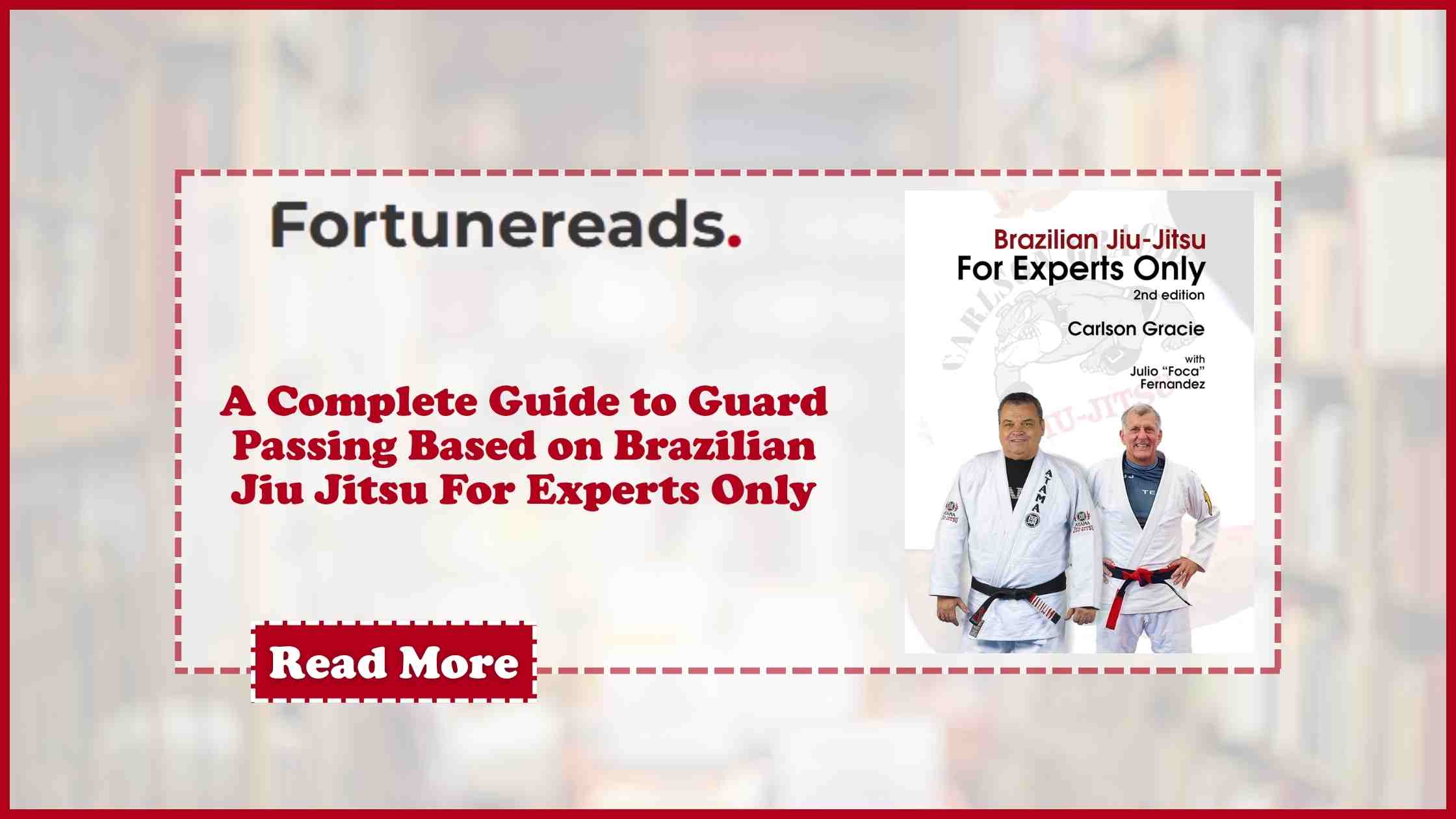
Guard passing is one of the most important and most difficult skills in Brazilian Jiu Jitsu. It is where patience, control, and technique come together. Many practitioners struggle with it because they rush, rely on strength, or overlook small details. Brazilian Jiu Jitsu For Experts Only presents guard passing as a structured process rather than a quick movement.
Understanding the Goal of Guard Passing
Guard passing is not just about getting past the legs. It is about establishing control. The goal is to move from a neutral or defensive position into a dominant one while maintaining balance and stability.
Many practitioners focus too much on speed. They try to move quickly around the guard without controlling posture or hips. This often leads to sweeps or resets.
Control Before Movement
One of the key lessons is to establish control before attempting to pass. This includes managing the opponent’s posture, controlling their hips, and limiting their movement.
When control is established, passing becomes more predictable. Without control, every movement becomes a risk.
The Role of Pressure
Pressure is often misunderstood. It is not about forcing your way through. It is about applying weight in a controlled and balanced way.
Effective pressure reduces space and forces the opponent to react. These reactions create openings that can be used to advance position.
Step by Step Progression
Guard passing should be approached in stages. First, break posture. Second, control the hips. Third, advance position gradually.
Skipping steps often leads to failure. The book emphasizes moving carefully and maintaining structure throughout the process.
Common Mistakes to Avoid
Rushing is one of the most common mistakes. Trying to pass too quickly creates instability. Another mistake is relying on strength instead of technique. This may work temporarily but fails against skilled opponents.
Poor posture is also a major issue. If posture is compromised, control is lost.
Connecting Passing to Control
Passing the guard is not the final step. It should lead directly into a stable control position such as side control or mount.
The transition from passing to control must be smooth. Hesitation at this stage can allow the opponent to recover.
Building Consistency Through Practice
Guard passing improves through repetition. Studying techniques, drilling them, and applying them in live training helps build confidence.
Brazilian Jiu Jitsu For Experts Only provides structured examples that show how guard passing connects to the larger system of control and submission.
Brazilian Jiu Jitsu For Experts Only by Carlson Gracie and Julio Foca Fernandez is an advanced instructional guide created for serious practitioners who want to refine their skills beyond the fundamentals.
Drawing from decades of experience at the highest levels of Brazilian Jiu Jitsu, submission grappling, and mixed martial arts, the book presents a wide range of proven techniques, including guard passes, takedowns, sweeps, chokes, cranks, and joint locks. Each movement is taught through clear, step by step photo sequences that make complex techniques easier to understand and practice. Grounded in Carlson Gracie’s disciplined, pressure driven approach and Julio Foca Fernandez’s precise teaching style, this book offers both technical depth and practical insight, making it a valuable resource for advanced students, competitors, and instructors seeking continued growth and mastery.
Head to Amazon to purchase your copy: https://www.amazon.com/dp/B0DZN5CWFT.