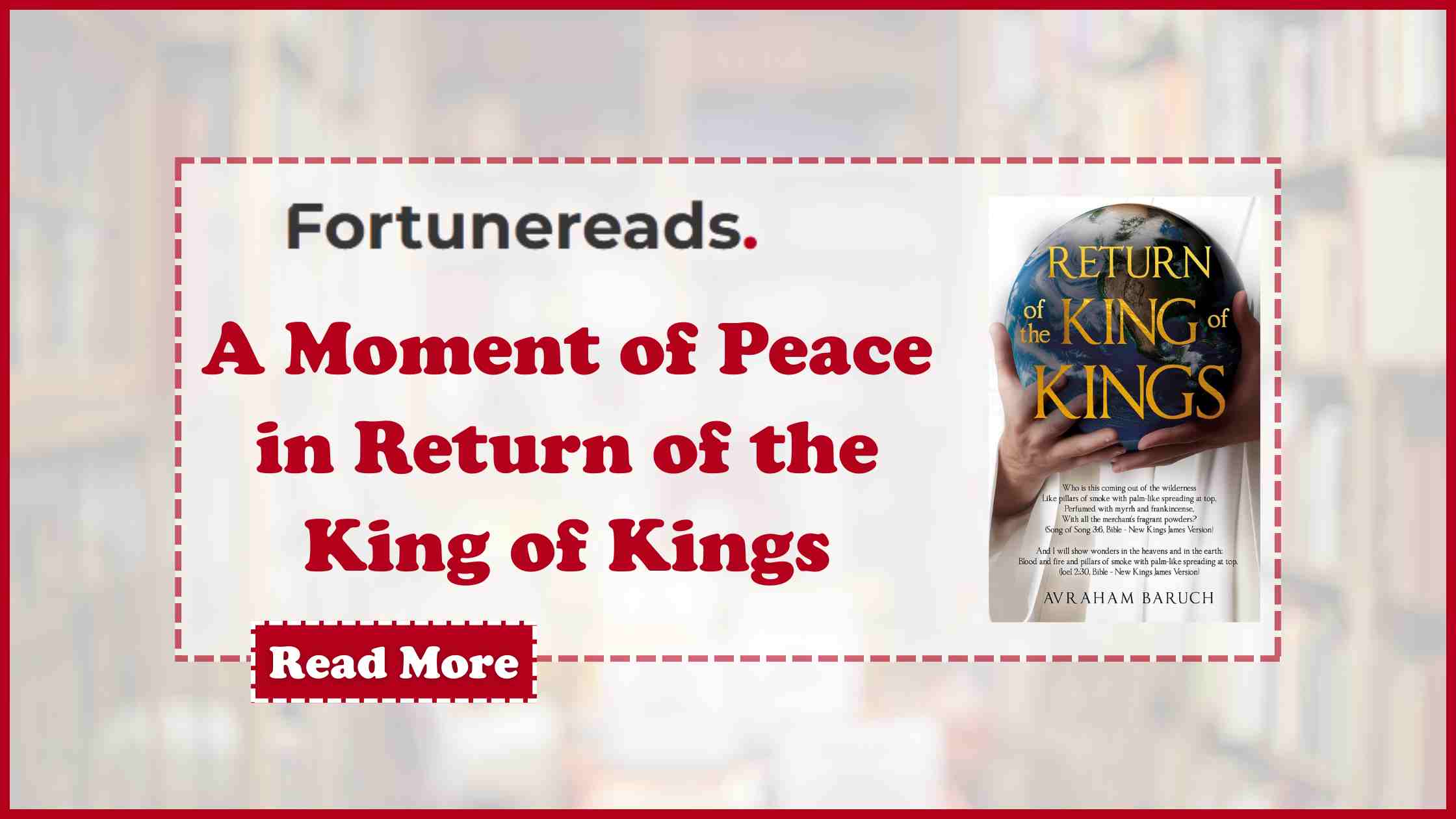
In the sweeping landscape of Return of the King of Kings by Avraham Baruch, few scenes capture the intersection of memory, prophecy, and human fragility as vividly as the riverside conversation between Micho and Sashi. After years of tribulation, separation, and choices that pulled them onto opposing paths, the two old friends find themselves side by side once again. Their reunion is not merely nostalgic—it is profoundly spiritual, a meditation on the meaning of peace in a world shaped by chaos and redemption.
As they stroll down the hill, their words are tender yet weighted with history. Micho’s remark about Sashi’s “sociable position” is more than playful banter—it reflects their contrasting journeys. Micho, hardened by years of war and ideological struggle, sees power as responsibility, while Sashi, ever the optimist, frames his service as humility and connection. Their dialogue is a microcosm of the novel’s greater theme: the human tendency to perceive the same path in vastly different ways, one rooted in striving for justice, the other in quiet faith.
Baruch paints the setting with extraordinary care. The lengthening shadows, the crickets heralding the twilight, the stillness of trees interrupted only by restless birds—all these details evoke a world poised on the brink of change. Nature itself mirrors the serenity and tension between the two men: calm, yet expectant; peaceful, yet aware of trials past and trials to come. The scene offers readers a momentary reprieve, a vision of the harmony that the promised “Golden Age” may bring, even as conflict lingers on the horizon.
When Micho and Sashi reach the river, their conversation shifts from duty to intimacy. Sashi, with his characteristic warmth, shares his simple joys—afternoon tea, listening to birdsong, family gatherings. His rhythm of life is anchored in gratitude, a sharp contrast to Micho’s restless busyness in church duties and community obligations. Their exchange reflects the novel’s deeper exploration of how individuals bear faith differently: some through structured responsibility, others through quiet appreciation. Both paths, the novel suggests, can lead toward God’s truth, but they may also drive wedges between friends.
The appearance of the young girls across the stream injects a sudden lightness into the scene. Their laughter, their crowns of flowers, their innocence stand as a symbol of renewal and continuity. In their youth, there is a reflection of what Micho and Sashi once were, before war and ideology divided them. When the girls wave, it is not just a gesture of friendliness—it is a reminder of purity and hope. One girl’s act of placing her floral crown into the river is especially poignant. The crown drifts downstream like a prayer, a symbol of lost dreams yet also of resilience, echoing Micho’s private grief for the family he lost in war. It is one of those delicate literary moments when personal sorrow blends with universal longing for restoration.
What makes this passage stand out is its layered symbolism. The river represents time, flowing relentlessly forward, carrying away innocence and loss but also offering cleansing and renewal. The girls embody the promise of generations to come, untouched by the horrors that shaped Micho and Sashi’s youth.
Return of the King of Kings thrives on moments like this—where prophecy and personal memory meet, where the grand cosmic drama of Christ’s return is grounded in human relationships. The riverside conversation isn’t just a nostalgic interlude; it is a mirror reflecting humanity’s eternal struggle between sorrow and hope, division and unity, despair and redemption.