Feeling overwhelmed at work does not always mean someone is unprepared, incapable or in the wrong career. Sometimes, it means they are carrying too much responsibility without enough guidance, support or time to think clearly.
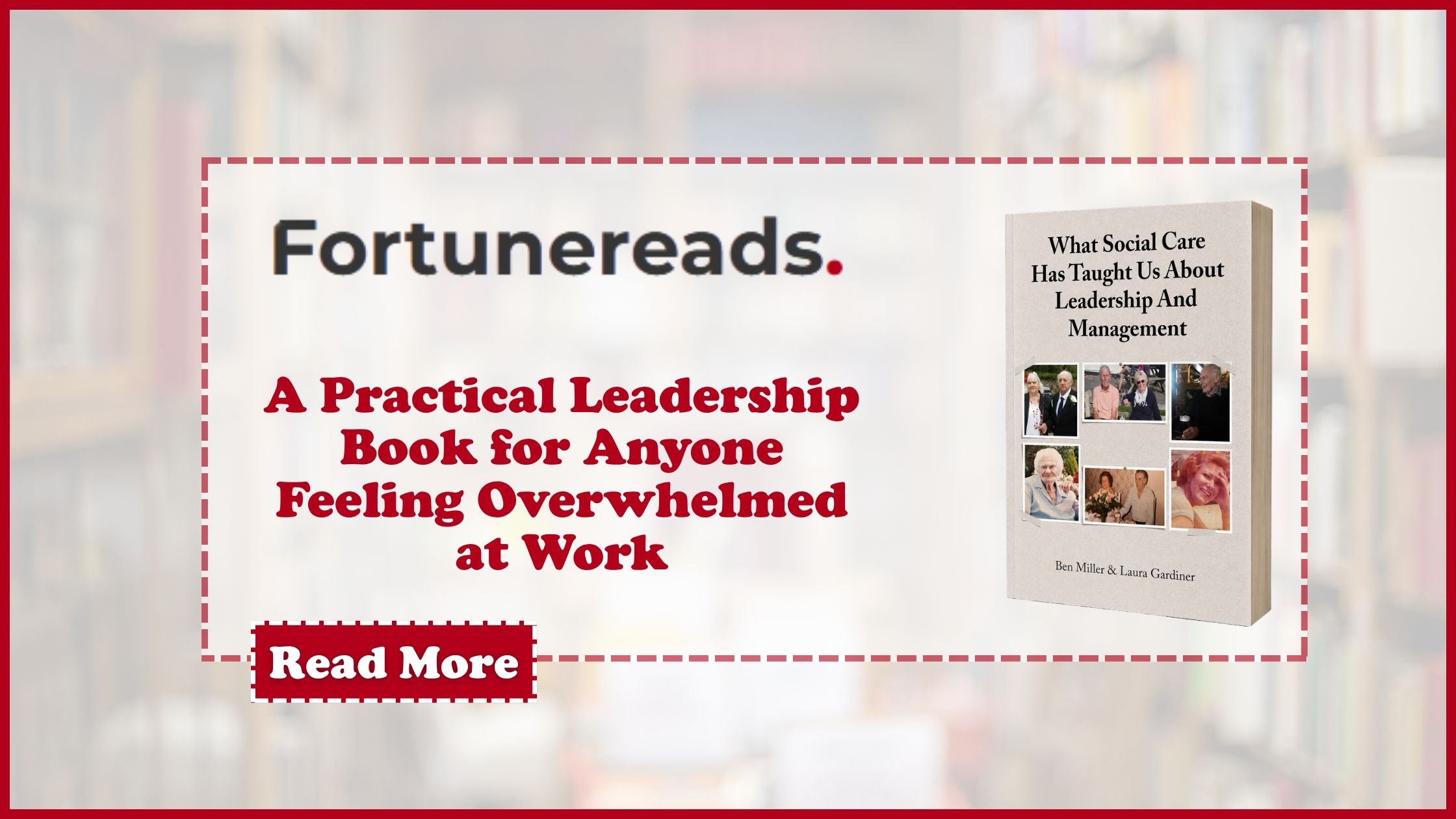
That experience is at the centre of What Social Care Has Taught Us about Leadership and Management by Ben Miller and Laura Gardiner. Written from real experience in social care, the book offers practical leadership lessons for managers who are dealing with pressure, uncertainty, difficult decisions and the emotional weight of being responsible for other people.
Although its examples come from social care, its message will feel familiar to leaders in many industries.
Leadership Can Become Isolating
Managers are often expected to remain calm, provide answers, motivate teams, solve problems and protect standards. At the same time, they may be dealing with staffing shortages, complaints, deadlines, workplace conflict and expectations from senior leaders.
New managers can feel especially vulnerable. They may have been promoted because they performed well in their previous role, only to discover that managing people requires an entirely different set of skills.
Miller and Gardiner explain that accessible guidance for new and aspiring social care leaders is often limited. People may enter leadership with strong practical experience but receive little preparation for the emotional and managerial challenges ahead. The book was created to offer the kind of support and honest advice the authors themselves would have valued earlier in their careers.
You Do Not Have to Solve Everything Alone
One of the book’s most reassuring lessons is that managers should not view asking for help as a failure.
The authors encourage leaders to build strong support networks and identify mentors who can offer experience, perspective and constructive challenge. When someone is overwhelmed, they may already know what needs to be done but struggle to recognise the next step because stress has clouded their judgement.
A trusted mentor can help a manager slow down, separate emotion from the situation and consider solutions more clearly. Importantly, the book explains that effective mentors are not simply “yes people.” They should be willing to question decisions and help leaders grow.
This advice applies far beyond social care. Every leader benefits from having people they can speak to honestly.
Wellbeing Is Not Optional
The book also challenges the belief that exhaustion is proof of dedication. Managers who remain constantly available, accept every responsibility and ignore their own needs may eventually lose the energy and clarity required to lead effectively.
Miller and Gardiner treat wellbeing as a leadership responsibility. Looking after yourself helps you communicate more calmly, respond more thoughtfully and set healthier expectations for your team.
The authors do not discuss stress from a distance. They share stories of leaders who have felt emotionally drained, isolated and unable to see a way forward. Their openness reminds readers that even committed and successful professionals can experience moments of doubt.
It Is Acceptable to Pause
Another practical lesson is that managers do not always need to answer immediately. The book encourages leaders to give themselves time to think, gather opinions and consider alternatives before reacting.
A rushed answer may create more problems, while a thoughtful pause can lead to better decisions. Leaders can also empower team members by asking them to suggest solutions rather than becoming responsible for resolving every small issue personally.
Take the Next Step
When work feels unmanageable, the entire situation can look impossible. Miller and Gardiner encourage readers to break large challenges into smaller, achievable actions. The goal is not to solve everything at once. It is to identify the next useful step and take it.
What Social Care Has Taught Us about Leadership and Management offers overwhelmed leaders something practical and encouraging. It reminds them that they can ask for support, protect their wellbeing, pause before responding and continue learning without pretending to have everything under control.
Read the book on Amazon: https://a.co/d/0aOrMfZp