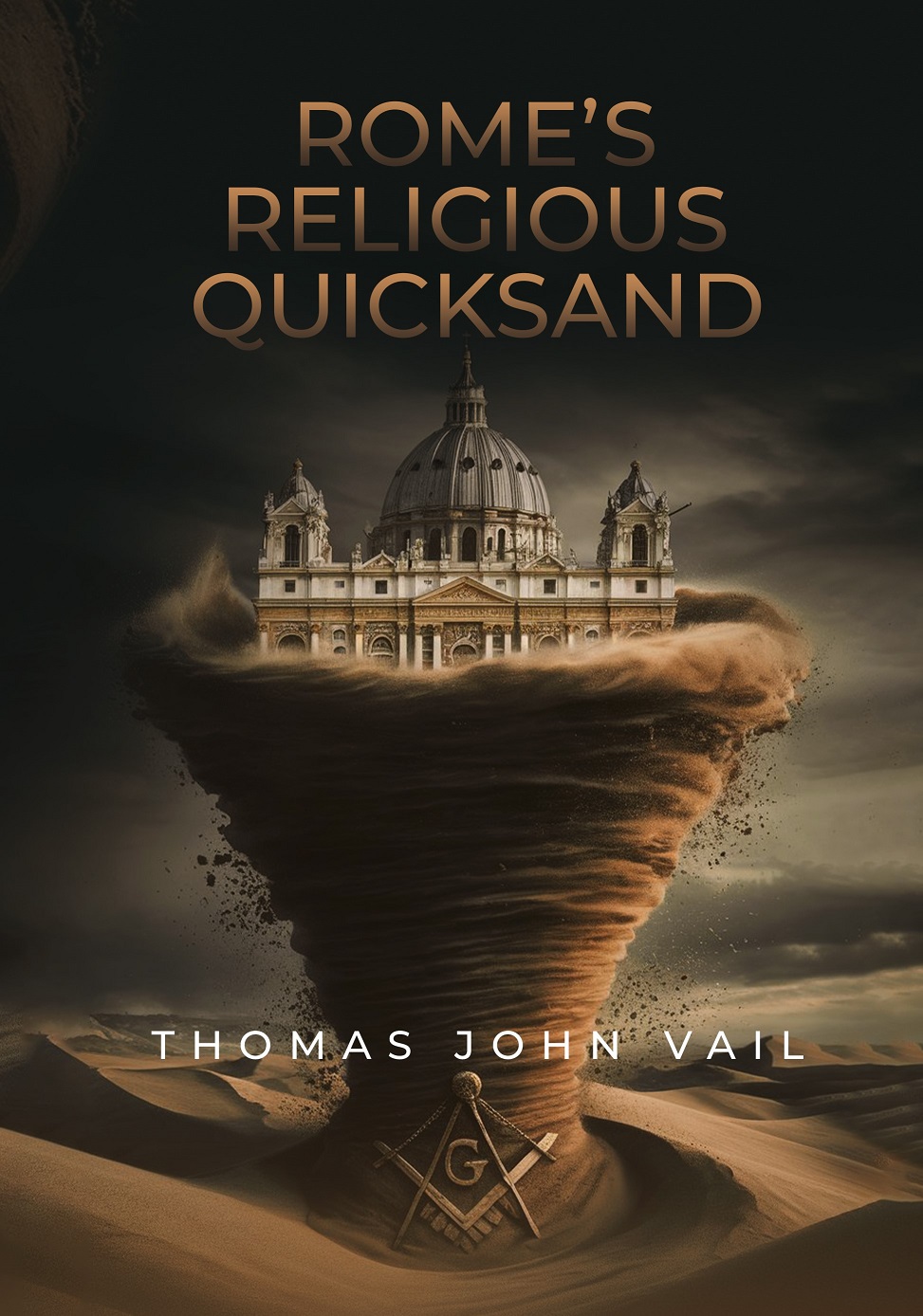
In an age where traditional faith is often sidelined and redefined, Rome’s Religious Quicksand by Thomas John Vail emerges as a powerful and deeply personal work of religious fiction that shines a spotlight on a brewing crisis within Catholic families. With the heart of a seasoned father and the voice of a devoted Catholic, Vail delivers more than just a narrative—it’s a theological and spiritual lifeline for those struggling to hold onto the sacred amidst modern confusion.
At the center of the story is Tom Joseph, a successful salesman who comes home from a three-week business trip expecting family warmth, only to be thrust into emotional and spiritual turmoil. His oldest son, John, once a committed choir member, has not only abandoned the choir but is now skipping Mass and attending Bible study at a Baptist church. This isn’t mere teenage rebellion—it’s a deep challenge to the family’s spiritual foundation, forcing Tom to confront issues far greater than just discipline.
Through the rhythm of a weekend spent reconnecting with family, readers witness Tom’s growing concern shift into urgent introspection. His conversations with his children—whether over tree trimming in the yard, pool games in the basement, or Sunday breakfasts at the local diner—carry a profound sense of generational wisdom. These exchanges, often laced with love, humor, and even conflict, slowly peel back layers of John’s discontent and reveal a crisis of belief far more common than many Catholics admit.
Vail cleverly interweaves fiction with rich Catholic apologetics, tackling hot-button issues such as the perceived dilution of the Novus Ordo Mass, the sacredness of the Eucharist, the infiltration of secular ideologies—even Freemasonry—into Church culture, and the spiritual might of relics, confession, and the rosary. These are not abstract theological debates. In Rome’s Religious Quicksand, they are lived experiences that affect real families, shaping the hearts and minds of children and testing the resolve of parents.
What makes this novel especially impactful is the deeply relatable nature of Tom’s journey. As a husband and father, he’s neither theologian nor priest, but a layman grappling with the faith he thought he had passed on successfully. His strength lies not in scholarly argument but in prayer, patience, and persistent love. He doesn’t storm his son’s doubts with dogma but leads with dialogue, listening, and eventually intervening where necessary—with the school, the principal, and even the baseball coach—to help John rediscover purpose, discipline, and belonging.
The novel also gently reveals how spiritual apathy or confusion can slip into the cracks of family life if not vigilantly addressed. Through the voice of Tom’s wife and other children, Vail portrays a family that, though fractured, is still united by love, and that unity becomes the crucible in which healing begins.
Readers of Rome’s Religious Quicksand come away with far more than just a compelling story. They gain a mirror into the quiet crisis facing many Catholic homes: the growing distance between tradition and modernity, reverence and irreverence, certainty and relativism. Vail’s message is clear—return to the roots. Rediscover the richness of Catholic heritage, revive spiritual disciplines, and reclaim family life as a sacred mission.
Ultimately, this novel is a call to arms for Catholic families who feel as though the ground beneath their faith is shifting. It’s about anchoring that faith in prayer, tradition, and truth—even when the culture around seems intent on eroding it.