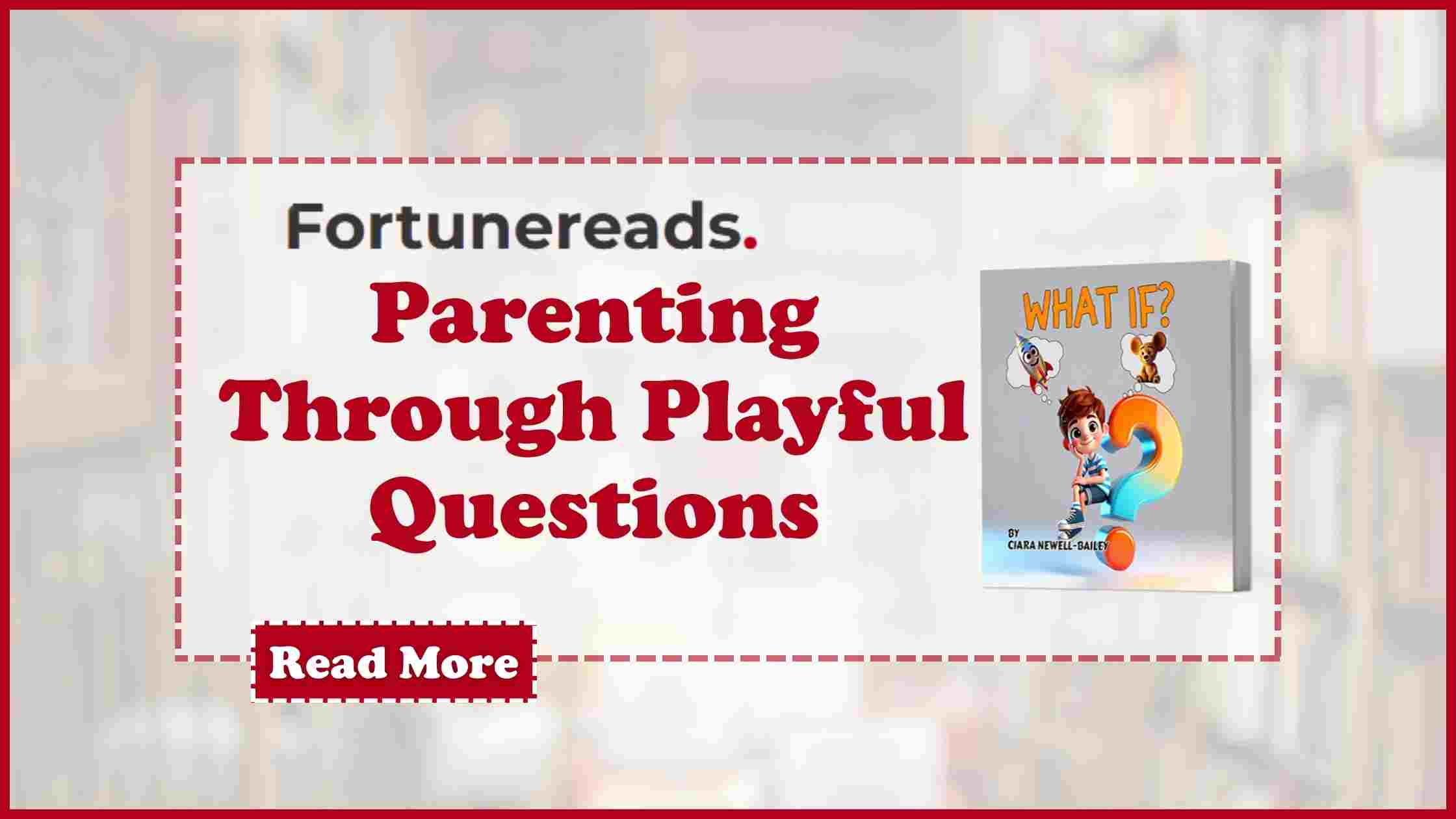
What if your child’s toy could talk back? What if the trees outside could walk or the bed could sing a lullaby? These questions might sound like silly daydreams, but they hold powerful potential for learning. Asking “what if” questions isn’t just child’s play. It’s a form of connection, creativity, and emotional growth. Ciara Newell-Bailey’s children’s picture book, What If?, beautifully demonstrates how simple, imaginative questions can help parents nurture communication, empathy, and problem-solving in their children.
In early childhood, imagination acts as the foundation for learning and emotional understanding. When parents encourage their children to ask and explore “what if” questions, they invite them to think critically and feel deeply. For example, when a child wonders, “What if my teddy bear could listen?” they’re not just imagining a funny idea. They’re learning to express feelings, explore trust, and think about relationships, lessons that go far beyond bedtime stories.
The key is that imagination opens the door to empathy. Asking, “What if vegetables could talk?” might lead to laughter, but it also encourages children to consider other perspectives. They begin to imagine how different characters or creatures might think and feel. That is how empathy takes root: by imagining the world through someone else’s eyes, even if that someone is a carrot or a teddy bear.
Parents can bring the What If? spirit into daily life without needing a special setting. During breakfast, you might ask, “What if our toast could dance?” On a walk, “What if clouds could whisper secrets?” These moments of shared curiosity strengthen communication and help children feel seen and heard. Instead of giving right or wrong answers, parents can ask follow-up questions like, “What do you think would happen next?” or “How would that make you feel?” It keeps the conversation open, encouraging self-expression and creative thinking.
One of the strongest benefits of this approach is emotional intelligence. When children learn to explore different situations through imagination, they also learn to name and understand emotions. For instance, if they imagine a dog who bakes a cake for a cat, you can ask, “Why do you think the dog wanted to share?” Such questions gently teach compassion, sharing, and kindness without a lecture.
The rhythm and structure of What If? make it an excellent example of how language, rhythm, and imagery can spark this kind of thinking. Its repetitive format helps children recognise patterns, develop listening skills, and feel comforted through familiarity, all while exploring new ideas.
In a busy world where screens often replace conversation, playful questions offer families a way back to meaningful connection. They help parents slow down, laugh, and explore their child’s imagination together. More than just entertainment, these moments help children grow into curious, kind, and thoughtful individuals.
So next time you sit with your child, try asking, “What if the moon could talk to us tonight?” You might be surprised at how much wisdom can come from a single, simple question.
To bring more of this imaginative magic into your family time, explore Ciara Newell-Bailey’s delightful picture book What If?, a story that turns curiosity into connection, one question at a time.
This book is now available on Amazon: https://www.amazon.com/dp/1968296352.