Empathy is not something children simply understand because they are told to be kind. It is something they experience, observe, and gradually develop through real life interactions. For young minds, empathy grows when they see, feel, and reflect on situations that connect them to others in meaningful ways.
Children learn empathy first through observation. They watch how adults respond to emotions, challenges, and relationships. When a parent listens patiently, comforts someone who is upset, or speaks kindly even in difficult moments, children absorb those behaviors. These small, everyday actions become the foundation for how they understand care and compassion.
Real life situations play a powerful role because they provide context. A child who sees a friend being left out begins to understand what exclusion feels like. A child who comforts a sibling after an argument starts to recognize emotional impact. These are not abstract lessons. They are lived experiences that leave lasting impressions.
Conversations are equally important. When adults take time to talk through situations, children begin to connect actions with feelings. Asking simple questions like “How do you think they felt?” or “What would you do if that happened to you?” encourages reflection. These discussions help children move beyond their own perspective and consider the emotions of others.
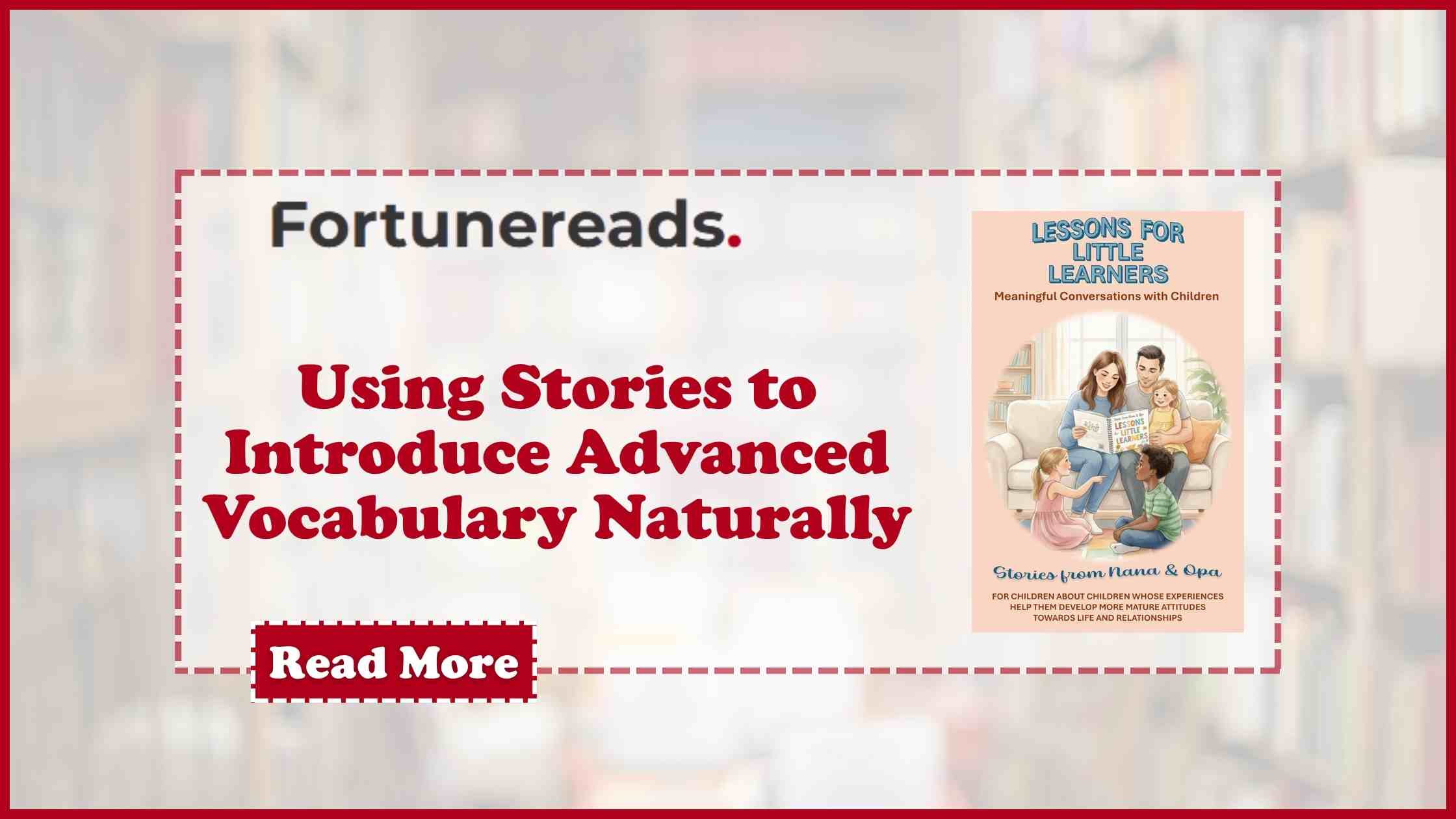
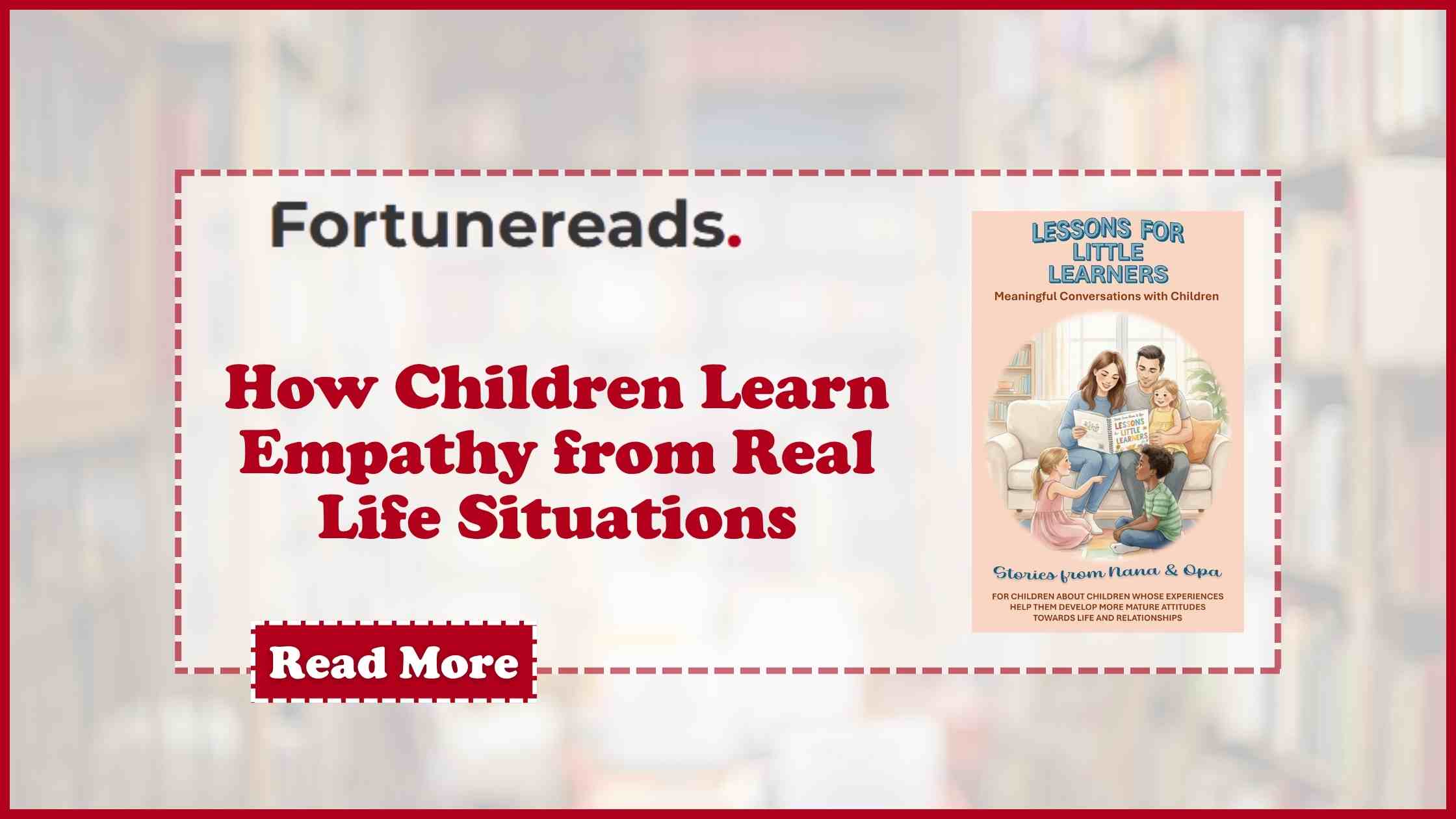
Stories also act as a bridge between real life and understanding. In Lessons for Little Learners: Meaningful Conversations with Children by Michele and Marv Wainschel, children are introduced to relatable characters who face everyday challenges. Through these stories, young readers see situations that mirror their own lives, such as dealing with hurt feelings, standing up for others, or learning to include someone new.
For example, when a child reads about a character who notices unfair treatment and chooses kindness instead, they begin to internalize that response. They are not just hearing a rule about being kind. They are seeing how kindness works in action. This connection makes empathy easier to understand and apply.
Another important aspect is emotional validation. When children feel heard and understood, they become more capable of offering that same understanding to others. If a child’s feelings are dismissed, they may struggle to recognize emotions in others. But when adults acknowledge their experiences, children learn that emotions matter, both theirs and those around them.
Peer interactions also contribute significantly. Playtime, school experiences, and friendships expose children to a variety of emotional situations. Conflicts, misunderstandings, and shared moments of joy all provide opportunities for growth. Guided support from adults during these moments helps children navigate their responses and develop empathy in real time.
Empathy is also strengthened through responsibility. When children are encouraged to think about how their choices affect others, they begin to see the connection between actions and consequences. This understanding builds awareness and encourages thoughtful behavior.
What makes Lessons for Little Learners especially effective is its focus on realistic scenarios rather than exaggerated or fantasy driven situations. The stories reflect everyday experiences that children can easily relate to, making the lessons more impactful. By combining storytelling with thoughtful questions, the book encourages both children and adults to engage in meaningful conversations that deepen understanding.
Ultimately, empathy is not taught through instructions alone. It is cultivated through experiences, guided conversations, and consistent examples. When children are given the opportunity to reflect on real life situations and connect them to emotions, they begin to develop a genuine sense of care for others.
Books like Lessons for Little Learners provide a valuable tool in this process. They do not just tell children what empathy is. They show them how it looks, how it feels, and how it can be practiced every day.
Discover this book now, available on Amazon: https://www.amazon.com/dp/B0GPP13X5S/