Children do not learn language best through memorization. They learn it through exposure, repetition, and meaningful context. When new words are introduced naturally within stories, children are far more likely to understand them, remember them, and eventually use them in their own speech.
Stories provide a rich environment where vocabulary comes to life. Instead of presenting a word with a definition, stories show how a word functions within a situation. When a child hears a character described as “determined” while pushing through a challenge, the meaning becomes clear through action. The word is no longer abstract. It is connected to emotion and experience.
Context is what makes this approach effective. Children are able to infer meaning by observing how a word fits into the flow of a story. They begin to recognize patterns, tone, and intent. Even if they do not fully understand a word at first, repeated exposure helps them gradually build comprehension without feeling overwhelmed.
Another advantage of storytelling is engagement. Children are more attentive when they are interested. A compelling story captures their focus, making them more receptive to new language. When attention is high, learning happens more easily and more naturally. Words are absorbed as part of the experience rather than as a separate task.
Repetition within stories also strengthens retention. When certain words appear multiple times or are reinforced through discussion, children become familiar with them. This familiarity builds confidence. A word that once felt unfamiliar begins to feel comfortable and usable.
Conversations after reading play a crucial role in deepening understanding. Asking questions such as “What do you think that word means?” or “Can you think of another time someone might feel that way?” encourages children to actively engage with new vocabulary. These discussions help move words from passive recognition to active use.
It is also important to introduce vocabulary at the right level. Words should challenge children without confusing them. When a story includes a mix of familiar and slightly advanced language, children are able to stretch their understanding without becoming discouraged. This balance keeps learning both effective and enjoyable.
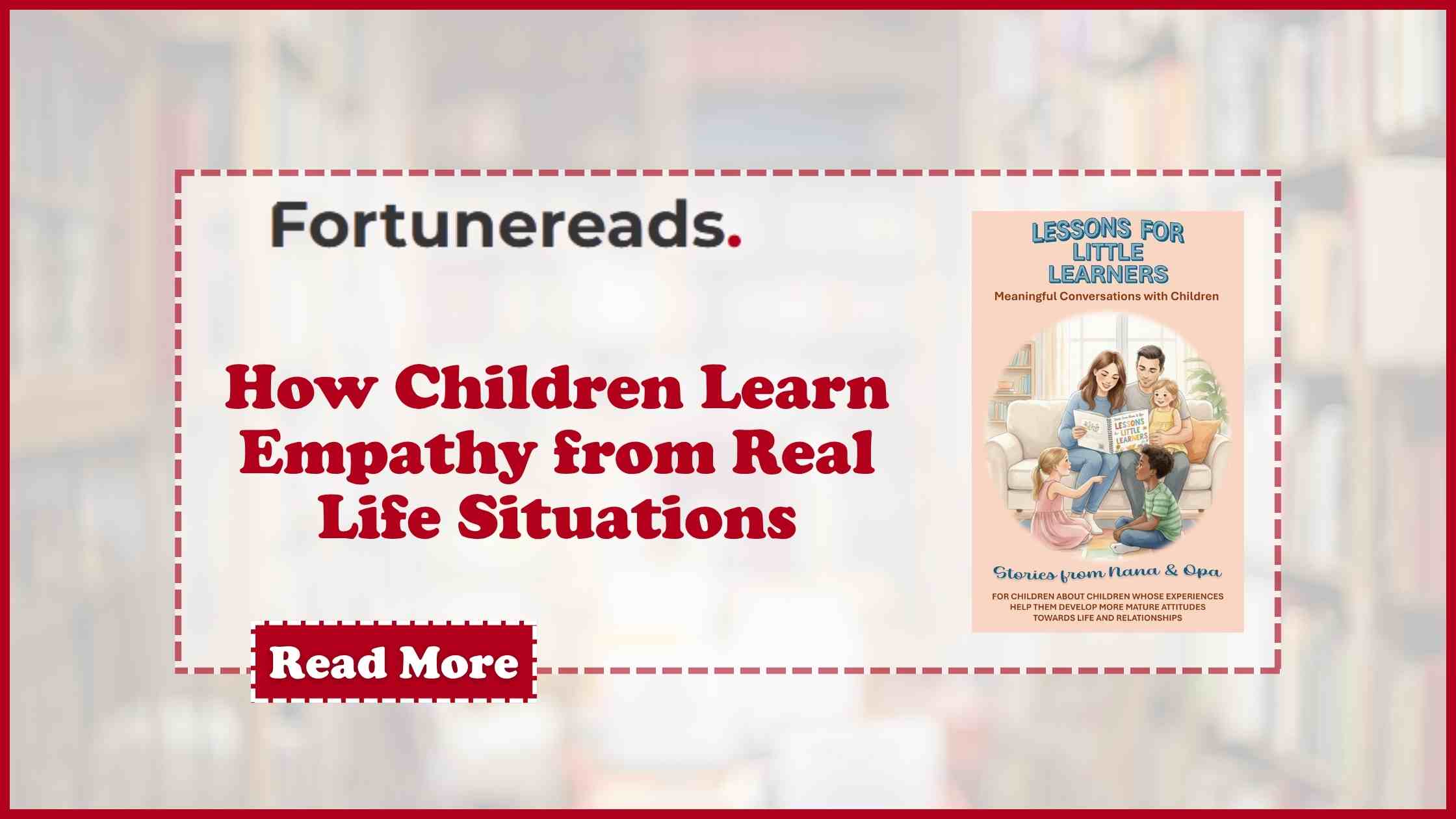
In Lessons for Little Learners: Meaningful Conversations with Children by Michele and Marv Wainschel, vocabulary is introduced in a thoughtful and natural way. The stories are designed to include words that may be new to young readers, but they are always supported by context and situation. This allows children to grasp meaning without needing formal instruction.
The book also supports slow learning. Children are not expected to master every new word immediately. Instead, they are given repeated opportunities to encounter language in different contexts. Over time, this builds a stronger and more flexible vocabulary.
Parents and educators can extend this learning by revisiting stories and pointing out interesting words. Encouraging children to use new vocabulary in conversation or describe their own experiences using those words helps reinforce retention. The goal is not perfection, but familiarity and confidence.
Stories also make language feel meaningful. When children see how words help express feelings, describe actions, and shape understanding, they begin to appreciate the power of language. This appreciation motivates them to learn more and explore new ways of expressing themselves.
Using stories to introduce advanced vocabulary is not about speeding learning artificially. It is about creating the right environment where language develops organically. When children are exposed to rich, engaging stories and guided through thoughtful conversations, vocabulary growth becomes a natural part of their development.
Lessons for Little Learners offers a practical and engaging way to support this process. By combining relatable stories with meaningful dialogue, it helps children expand their language skills while staying connected to real life situations.
Discover this book now, available on Amazon: https://www.amazon.com/dp/B0GPP13X5S/