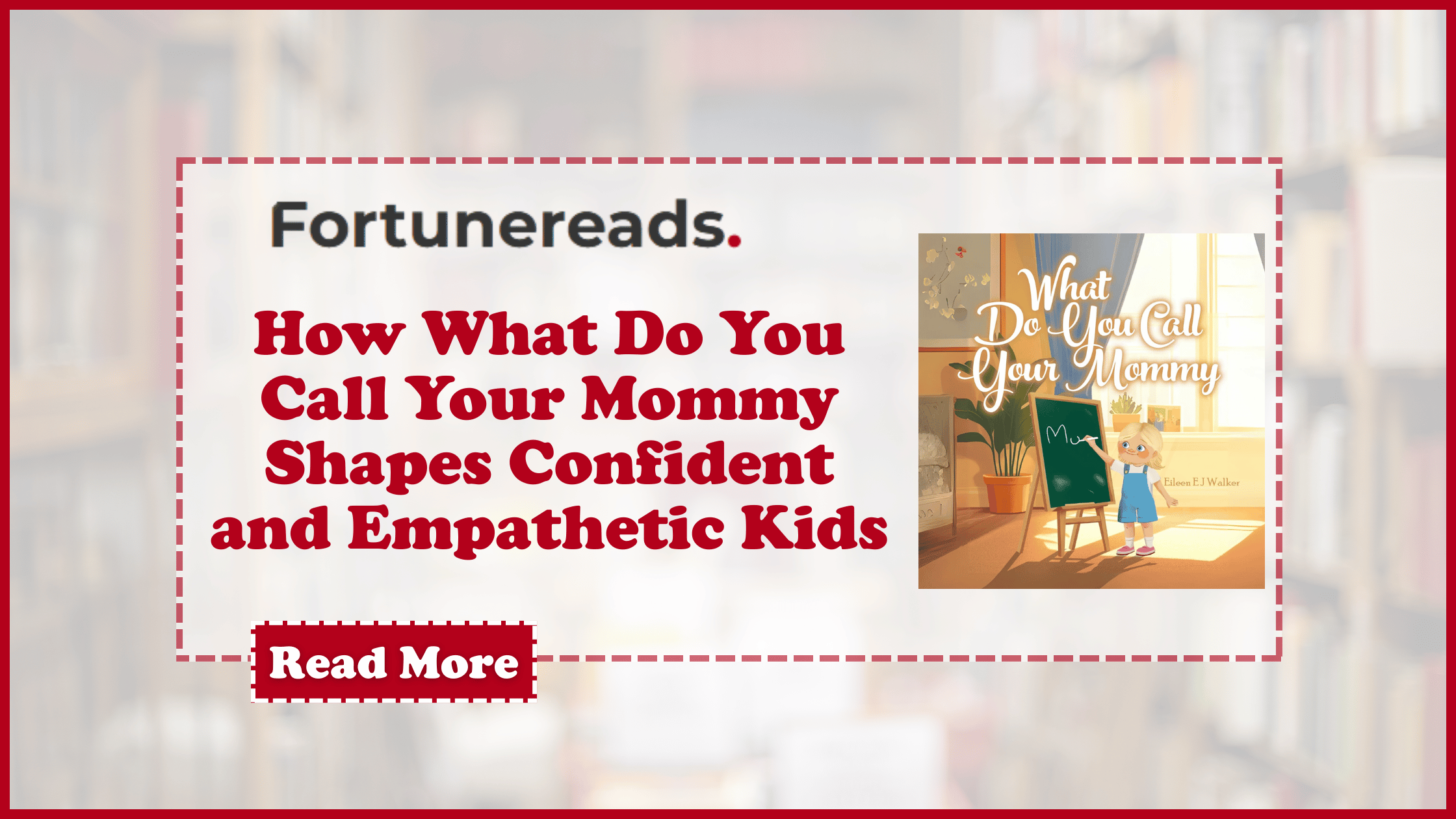
Children begin building their understanding of the world long before they learn to read or write. They notice how people speak, how families behave, and how friends express themselves. When young children see their own experiences reflected in stories, it helps them feel seen and valued. That is why inclusion in early childhood literature matters. The picture book What Do You Call Your Mommy by Eileen E. J. Walker provides a clear example of how stories that highlight diverse languages and families can help children grow into confident and empathetic individuals.
The book follows Grace, a young girl who notices that her classmates use different words to call their mothers. Instead of confusion or fear, the story encourages curiosity and understanding. This simple moment becomes a meaningful introduction to inclusion for young readers. It shows them that differences in language are not barriers. They are invitations to learn more about one another.
One of the strongest aspects of the book is its use of real global languages. Grace learns that Elise calls her mother Maman, Carolina says Mamá, and Sarah uses Māmā at home. Amalia calls her mother “Nanay,” Linh uses “Mẹ,” and Elke says “Mutter.” Amani speaks Arabic and uses the word Ommi. Isabella calls her mother “Mamma,” Priyanka says “Maa,” and Elizabeth uses the Mohawk word Akenisten’a. By featuring these genuine examples, the book provides validation for multilingual children who may not often see their home language represented in the books they read.
Validation plays an important role in building confidence. When children hear a word from their home language spoken in class or see it printed in a book, they feel a sense of recognition. It reminds them that their family and culture are respected. It also encourages them to share more about themselves with others. That is how inclusion supports healthy emotional development.
For children who may not be familiar with these words, the book opens a path toward empathy. Learning that different families use different languages helps children understand that there is more than one way to express love. When Grace discovers that her friends speak languages linked to their cultural backgrounds, she begins to appreciate the diversity around her. This awareness teaches children that differences are normal and valuable.
Books like What Do You Call Your Mommy also help teachers and parents start meaningful conversations. They can ask questions such as, “What do you call your mommy at home?” or “Does your family use more than one language?” These simple questions foster a sense of belonging and create opportunities for children to share their stories.
Inclusion during early childhood builds a foundation for confidence, kindness, and understanding. When children see that the world is full of diverse languages and traditions, they learn to appreciate their own identity while respecting those of others.
To explore these ideas with young readers, What Do You Call Your Mommy by Eileen E. J. Walker is a thoughtful and engaging book to read and discuss together, available on Amazon: https://www.amazon.com/dp/B0G2KQ4VSD.