Trauma has a profound impact on how we respond to danger. Our survival instincts, shaped by past experiences, are influenced by the traumas we’ve endured. Understanding how trauma affects our responses can shed light on why we react the way we do in threatening situations and offer pathways to healing. In this article, we’ll explore the connection between trauma and survival instincts and how our responses to danger are molded by our experiences.
The Nature of Survival Instincts
The natural, subconscious reactions that assist us in fending off predators and securing our survival are known as survival instincts. These biologically based instincts are programmed to initiate the fight-or-flight reaction in the event of danger. Numerous physiological changes occur during this reaction, such as elevated heart rate, enhanced awareness, and the production of stress hormones like adrenaline. These adjustments set us up to either face the threat head-on or flee from it.
How Trauma Alters Survival Responses
Traumatic experiences can significantly alter our survival instincts and responses to danger. Trauma occurs when an individual encounters an event that overwhelms their ability to cope, leading to lasting psychological and emotional effects. Here’s how trauma can shape our responses:
Hypervigilance: Individuals who have experienced trauma often develop hypervigilance—a heightened state of alertness and sensitivity to potential threats. This constant state of readiness can make them more reactive to perceived dangers, even in situations where there is no real threat. Hypervigilance can lead to anxiety, difficulty concentrating, and exaggerated responses to stress.
Impaired Fight-or-Flight Response: Trauma can interfere with the fight-or-flight response’s regular operation. For some people, this could show itself as an exaggerated anxiety or panic reaction to slight dangers. On the other hand, in circumstances where a more active response might be appropriate, others might feel less responsive, numb, or disconnected.
Emotional Numbness: Trauma can lead to emotional numbness or detachment, making it difficult for individuals to fully experience or express their emotions. This can affect their ability to assess and respond to danger appropriately. They may appear indifferent or unresponsive in situations that would normally provoke a strong emotional reaction.
The Long-Term Impact of Trauma
The effects of trauma on survival instincts are not always immediately apparent but can have long-term implications:
Chronic Stress: Chronic stress can result from prolonged trauma exposure, and chronic stress can be harmful to one’s physical and emotional well-being. Prolonged stress can impair immunity, raise the chance of heart problems, and exacerbate mental health conditions, including anxiety and depression.
Altered Perceptions of Safety: Trauma can alter an individual’s perception of safety, making them more prone to mistrusting their environment and the people around them. This altered perception can lead to difficulties in forming and maintaining relationships and may result in social withdrawal.
Resilience and Post-Traumatic Growth: Even though trauma has drawbacks, it can also promote post-traumatic growth and resilience. Some people discover that their experiences surviving trauma have strengthened and increased their adaptability. They might get a better grasp of who they are and what they can do, as well as new coping mechanisms.
Healing and Reclaiming Control
Addressing the impact of trauma on survival instincts involves a combination of therapeutic and self-care strategies:
Therapy and Counseling: Professional therapy can help individuals process traumatic experiences, understand their impact on survival instincts, and develop healthier coping mechanisms. Techniques such as cognitive-behavioral therapy (CBT) and exposure therapy can be particularly effective.
Mindfulness and Relaxation: Stress management and better emotional control can be achieved by engaging in mindfulness and relaxation practices. Methods like gradual muscle relaxation, deep breathing, and meditation can help re-establish equilibrium and mitigate the negative impacts of hypervigilance.
Building Support Systems: Developing a strong support network can provide emotional support and practical assistance. Connecting with others who have experienced similar traumas can offer validation and a sense of belonging.
Conclusion
Gaining an understanding of how trauma affects our survival instincts can help us better understand how we react to danger. We can take steps to recover and take back control of our reactions by admitting the effects of the past and getting the right help. In the end, dealing with the aftereffects of trauma promotes resilience and a better, more sensible strategy for overcoming obstacles in life.
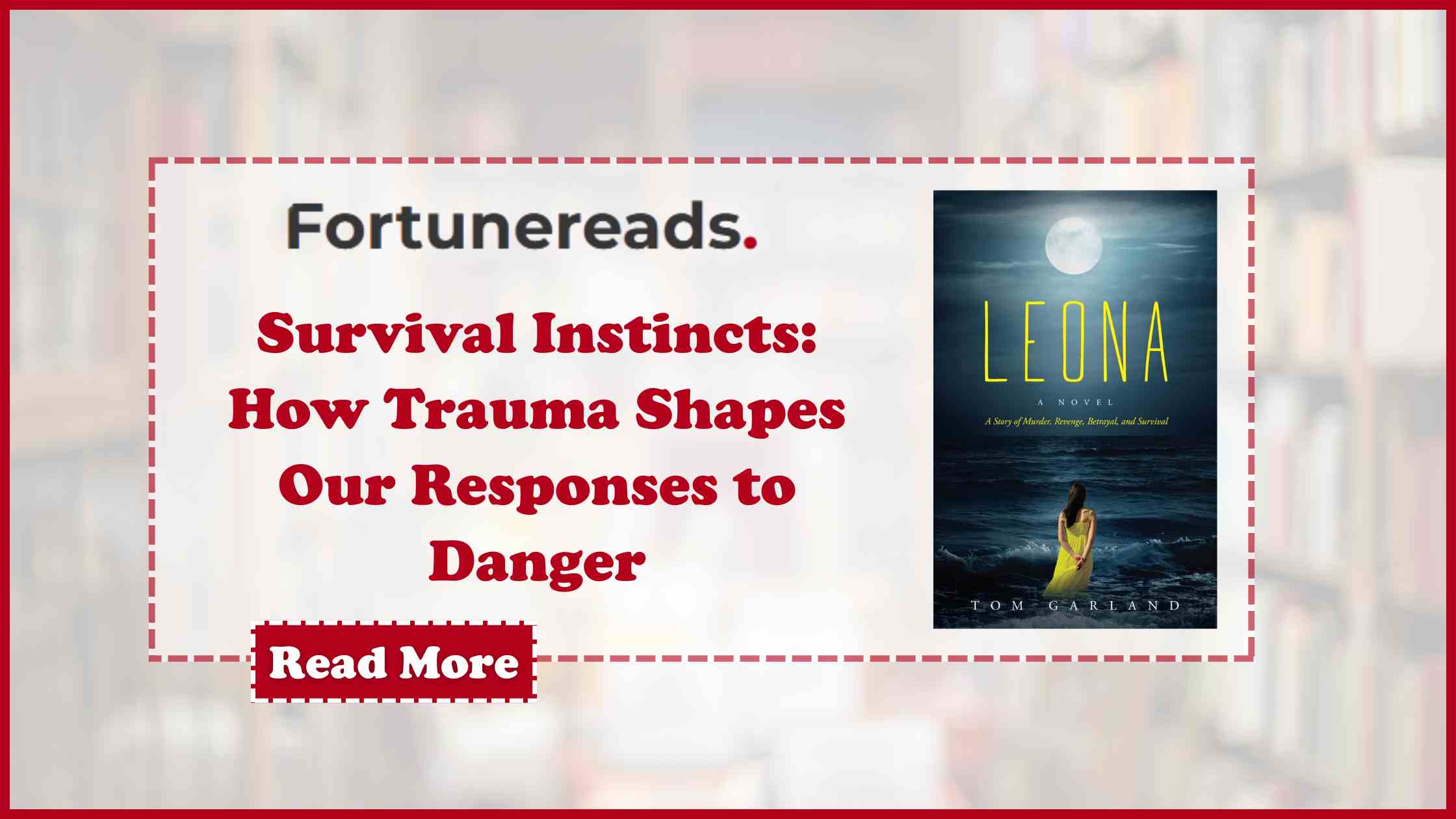
Uncover the gripping tale of “Leona: A Story of Murder, Revenge, Betrayal, and Survival” by Tom Garland. Dive into a world where trauma profoundly shapes responses to danger, following sixteen-year-old Leona as she confronts her darkest fears and fights for her survival. This intense narrative explores the psychological impact of trauma and the fierce drive for retribution. Don’t miss out on this thrilling journey of resilience and courage. Grab your copy of “Leona” today from here: https://amz.run/9UiX, and experience the compelling story that reveals how our pasts influence our present battles.